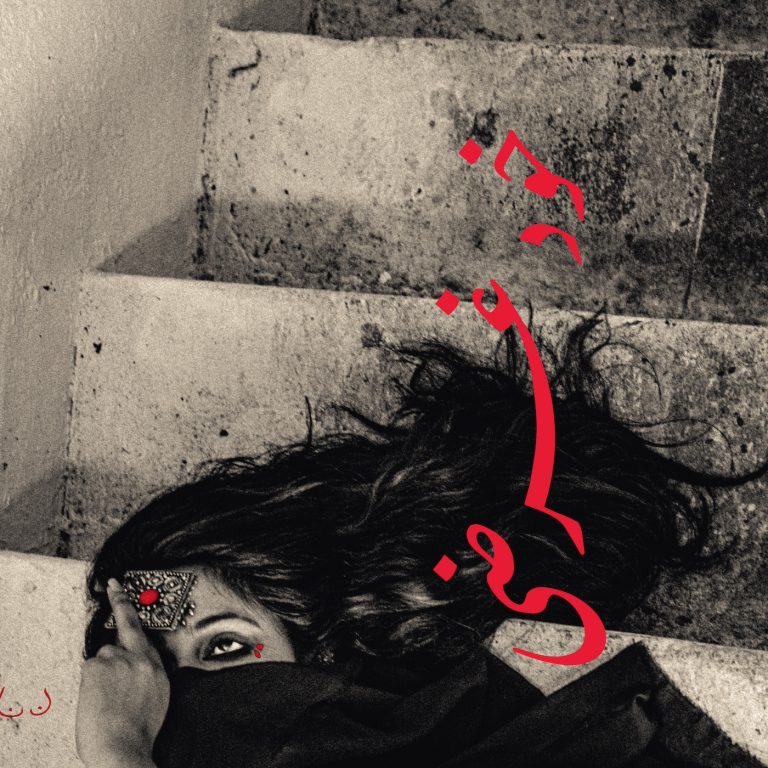

Whereas her advocate Arooj Aftab projects mysticism and optimism, Sheherazaad finds herself beset by loss. Zoomed out, she reflects on the loss of humanity when the patriarchy leers at her kindred spirits; on an intimate level, she has endured the crumbling of a marital engagement and the death of her grandmother. Her heart tells her the brothers are wrong for subjugating their sisters, but in her head she wonders if she is becoming one of them, those suspicious women who wear black mascara and do god-knows with their endless free time.
“Khudgarzi” generally means “selfish” and it’s a shadow that follows any woman who merely thinks about choosing her own path. The album focuses on unwed, childless women who are deemed suspicious and held in contempt for their personal status. Certainly, the demonisation of women stains Western societies. But in a South Asian context where honor killings remain a common tool the stakes are immeasurably higher for women behaving “badly”. Sheherazaad sings in English, Tamil, and Urdu; performing the album entirely in the former might gain a wider audience but could also reinforce the Westernisation for which she would be dismissed. The latter connect her to the countless who are buried and forgotten, unmourned. Appropriately, the first song is “Qatil”, or “murderer”.
Just as in English, the word has multiple meanings and can refer to “looks that kill”. On an album that can hardly be called “playful”, however, the meaning is toyed with. Collaborator Sarathy Korwar speak/sings throughout the track, but he also manipulates his voice like a stringed-instrument being tuned: occasionally flat, then sharp while trying to find its true pitch. This striking opener is notable most for its lack of anything but percussive instrumentation. Sheherazaad’s voice decides the key and controls the melody. As foreshadowing, earthly rhythms are the primary influence on events over which they have more inevitability than control.
This might be an unnecssary spoiler alert, but there is no glass slipper. That some online databases catergorize Sheherazaad as “indie folk” might imply something akin to Beirut or Devotchka; Khudgarzi does not open the doors to romanticism and whimsy. “Pakeezah” does use conventional, upright bass for its melodic structure, but immediately “Registaan” is short of breath and life. The farther the album ventures, the darker it gets. “Zeher” ekes out its solitude anonymously on dark streets, but then “Kohinoor” arrives with sewer-grade echo and drops of water from a manhole down to the fetid, ankle-deep water. The vocals are spirit-like at this point; even the rhythm has dissipated.
Adding to her losses.
85%