
The idea of cultural recurrence is very appealing to me. Things do not simply end, they echo out into the future, inspiration making way to resurrection. Each great artist finds their equivalent – not because of plagiarism, but through kinship. “The blueprint”, so to speak, is picked up by those who can see themselves in the past, and carry it forward. Sure, it’s never quite the same, but sometimes it is able to use history as a means to find, to express the present.
Fontaines D.C. have an interesting history, in that regard. Coming up at the tail end of the 2010s – the decade when arrogant, spoiled brat critics declared guitar music dead – the Irish group played a palatable, melancholic bent of post-punk that was closer to the genre’s origins than its arabesques.
But it was more melancholic than its progenitors – slightly gothic in tone, but deeply troubled. Dogrel still felt Punk – but by the group’s second outing, the excellent A Hero’s Death, there were signs of a larger sound, a deeper expression. “Televised Mind” was a roaring psychedelic earworm, and “You Said” connected with the depth of The Smiths. By Skinty Fia – the band’s best album to date – Fontaines D.C. fully embraced these urges, combining the dark tone of 1960s Freak Beat with a sensual, ponderous tone: The Smiths, if they had started in 1966, with a strong political bent and great interest in the Irish condition. Skinty Fia was so underrated upon release that I am likely to be chief champion of its inclusion in any upcoming top 100 of the decade: it’s a modern The Queen Is Dead, one essential song after the next.
We did make up for it by giving Romance its fair due: the group’s jump to Zoomer-era superstardom saw the group embrace pop and contemporary sounds fully, all while sticking to the odd, off-beat melancholia that made them so appealing. It’s much stranger than people gave it credit and while it’s not my personal favourite in their discography, it rightfully has become a milestone of for many young listeners, connecting influences like Lana Del Rey (“In the Modern World”), The Libertines (“Favourite”) and Nirvana (“Death Kink”) on one album, while vocalist Grian Chatten furthered his Morrissey-style croon. The band soon played gigantic venues, the only question now remaining how much further their talent could carry them on.
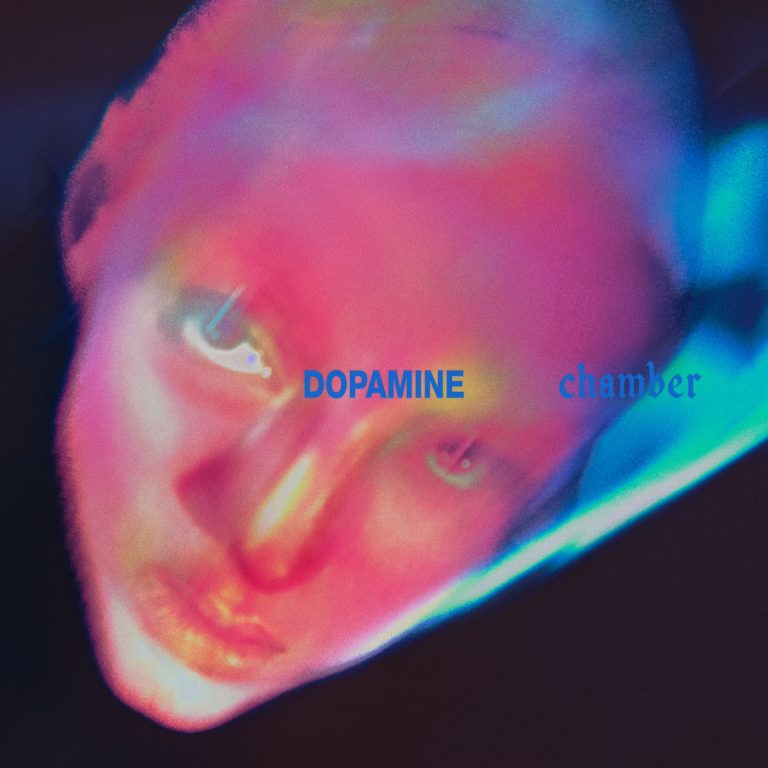
Their fifth, Dopamine Chamber, is a weird record – and not in ways that anyone would have anticipated. Even with just one spin, it becomes evident that the album seems more like three distinct EPs, and one single, that have been collected. This might seem a weird way of assessing music, but the album clearly shifts gears after every three songs.
The first batch is framed in a dark, synth-heavy tone, like a mixture of Simple Minds and Duran Duran. The sinister “Six Shot Morning” has this glamorous, anthemic austerity of Empires and Dance, slowly building this image of a brutalist dystopia, where vampire billionaires exist in perpetual tech-decadence: “Silicon Valley took a photograph, Fork tongue kissing in a 10ft bath / You and I living for a million years / Always”. The topic is very post-Bowie, very The Man Who Fell to Earth, and gets eerier each time you listen: these two characters are genuinely unhinged, and they feel like gatekeepers to a deeper cosmology at play in this album.
“Marianne” borrows the title from the Sisters of Mercy classic, but is a dead ringer for Duran Duran. It’s a very memorable track, but with its Moroder-esque, electronic tone it almost feels like an artefact of pop a decade ago, when the soundtrack of Drive spawned a whole truckload of electronic mainstream pop in its vein. The group is evasive regarding the song’s meaning, but have pointed out inspiration by the Ripley mini-series. “Mimesis” returns to the familiar Simple Minds sound of dominant bass, sharp snare hits and cold synthesisers, portraying an obsessive love: “I’ve driven such a long, long way here / Your indifference won’t make me disappear / And surely you’ll wake up in yourself / And know that you can’t blame nobody else”. It is diffuse whether the subject of the narrator’s gaze is depressed and walling them in, or if Chatten imagines an obsessive, who chases a film star: “If you’re a Star / Shine on Me / If you’re not / Let me be”.
These three songs, each in their own way, discuss vampires, who exist feeding off others. Status, class and wealth seem important factors throughout Chatten’s lyrics, while the icy synth-pop frames these stories in slightly futuristic urban settings of high rises and office towers.
The second trilogy returns to the band’s familiar post-punk, guitar-led sound. “Happy for You” charts the end of a relationship in cold, bitter sarcasm: pearls are stolen and a car is keyed, all while the narrator kills their opposite with performed kindness – the song waltzes towards an explosive finish, acidic as bile. “Demolition” has the air of a Smiths tune updated to contemporary sensibilities. There’s a bit of Marr in the guitar lead, a lot of Morrissey to the waltzing vocals and upset lyrics, before Chatten drops into an almost Kasabian-esque delivery (think “Processed Beats”). “Tongue” dives even deeper into the carnival Kasabian-like tone, merging cavernous indie rock with dance grooves, a jazzy bridge and the sinister vocal hook “More abuse than an Adderall / Shit, I’m sorry, didn’t realise I called”. Where “Demolition” feel a little on the generic side, “Tongue” is much more interesting and experimental, almost near The Cooper Temple Clause’s cannibalistic crossover appeal.
This second batch is more brooding, more caustic than the first, zeroing in on the harm and inevitability of abusive relationships. This is far removed from the gothic high society imagery of the first batch, tonally and narratively.
And that makes way for the last three, which totally change gears once again, diving headfirst into cinematic, string-drenched pop. “One Man” is an epic, romantic ballad that describes the longing for an absent lover or ideal, a relationship never consumed, deep sadness in the wake. It’s grandiose, rousing pop that builds to an orgasmic finish.
“Where is Gone?” is even better: a Lee and Nancy style orchestral duet with Rosalía, it breaks a personal rule: as much as I like Rosalía as a person – in terms of her politics, her approach, her voice, her aesthetics – I can’t really say that I ever liked a single song she was involved in. “Where is Gone?” breaks this rule, as it’s an utterly brilliant pastiche. The song’s heavy, nostalgic kitsch is so bafflingly brilliant, with Chatten and Rosalía perfectly embodying the heavy-handed lyrics in a manner where the song seems destined to be canonised as one of the great moments in pop, with one of the most memorable refrains the genre currently has to offer: “I remember when / They held me up against the Summertime / The tears would fall / Baby if you try / There’s no harm in saying / Leave it, let it die”. Immense, and perfect to annoy your neighbours while singing along for half an hour on maximum volume!
Excellent follow up “You Miss Me” in turn feels like a cross between Morrissey and The Last Shadow Puppets, with edgy synth strings and sharp beats during the verses crossed with a string-led crooner chorus. It continues the romantic, deeply nostalgic tone of the previous two songs, and once more delivers some great singalong lyrics: “I could tell you were lonely / By the way you looked at me / Did you miss me or something? / My darling, why pretend?”
These three cinematic, rousing, sad love songs, with their grandiose orchestral moments, crooner expressiveness and aristocratic tone are in stark contrast to the first two batches of songs, and possibly the most memorable on the album.
This leaves two closing tracks, which feel almost fully removed from the rest of the album. First, there’s “Japan”, a cross of Beach House and A-Ha’s late-period hit “Velvet”. It’s a really great indie pop song, portraying a wealthy girl and her sort of absent, kind of grifting lower status boyfriend in Asia: “When they fuck, she leaves her body for a while / And she pays for all his shit / Til he says ‘thanks’ without a smile”. It’s such a great, funny little send-off: after all these dramatic images of the vampiric elite, the abusive long-term relationships faltering and the inability of deep love to bring fulfilment, this humorous but poignant track finds humour in the scummy financial exploitation love can bring.
But like all great singles, it’s got to have a B-Side: “Intimate” is a bit of a quizzical closer. Not thematically, mind: Chatten observing “All the people / Full of doubt / Beauty Kings / Beauty Queens / Razor faced / With private means” is fully in line with the overall themes of the record. The sinister “Dying and dying and dead”-chorus bitterly sums up how relationships leave us feeling drained, as we accept the loss of love for cold routine with no meaning or desire left. Fontaines D.C. have expressed this sentiment before, on “The Couple Across the Way”, where they imagined a drained relationship as mummified existence. The trouble is that “Intimate” remains a B-Side: a bit hollow in its groove, without clear direction or punch, just ending the album on what could have been a bonus track after 10 minutes of silence. Sure, it’s a bit of a thesis, but do we need spelled out what these prior 10 songs already explored in much more nuanced fashion?
That is why Dopamine Chamber is ultimately weird: it’s a clear concept record that moves in chapters, that expresses itself in sections, that explores conjoined themes (wealth, class and status in relation to romance, relationship, rift), but that also seems strangely confined and unfinished. The tracklist is as separated as some of the protagonists therein, the finale seems like an unfinished idea and the question remains what truly motivates love: is it all just projection, all just our loneliness demanding illusory deeper meaning? Obviously it’s the Irish way to leave things open and commit to the deep, forlorn sadness held within decline. And for what it’s worth, Fontaines D.C. find a great number of standouts and highlights in this quest.
But I can’t help but feel like Dopamine Chamber will go down in the band’s story as a transitory moment, where the group couldn’t unite their diverse interests in one great gesture. Yet, still, greatness often prevails and it’s commendable the band is still taking risks when gunning for chart topping pop. I hope they hang in there: as with all great love stories, you can only know the end of the road when you finally reach it.