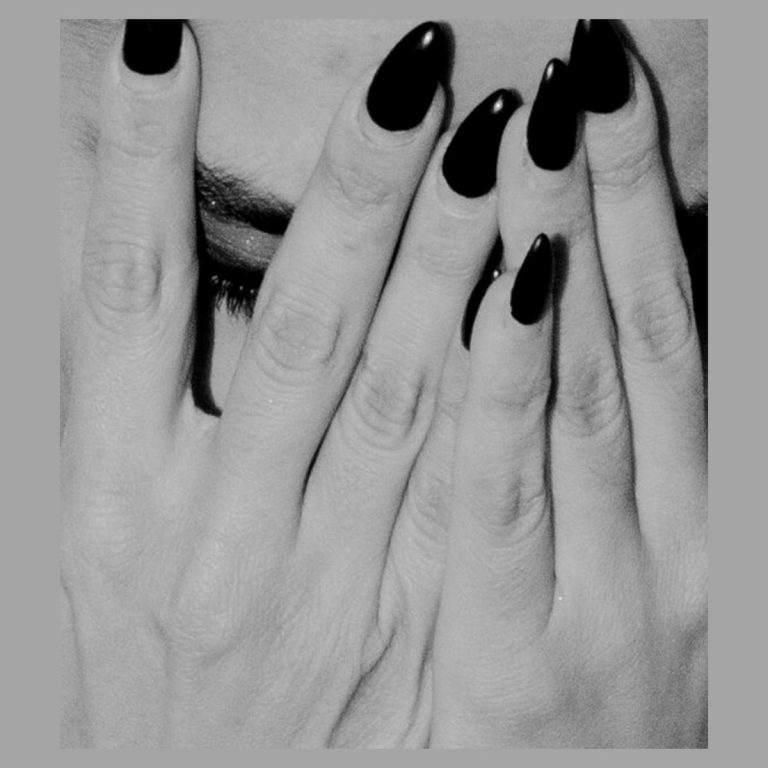

Electronic club music seems to have stagnated a little. The younger generation is looking towards rock, pop and rap concerts for collective experiences, favouring moshing to dance, and many of the great artists of the past three decades have either moved on from dancefloors or cloned former hits. When I asked one friend who still frequented in the scene, she told me her crew had moved on from Berghain, Tresor, et cetera. Can it be suspected that the current political shifts dissolve hedonistic urges? Maybe. But another reason might be that increased rent costs and liquidation of abandoned spaces either forces dance music into the big clubs – which became institutionalised long ago – or sees the underground spots close prematurely. Can’t dance in the deliver warehouse data center hybrid, else somebody’s graphic cards falls off the shelf and hits your head!
This dissolution of clubs as experiential ground for electronic music does open the door for more versatile and experimental sounds, though. It’s only logical that the beneficiaries of this development are those musicians who always felt uncomfortable on the floor, who reached for more elusive and emotive tones than techno allows – see the immense success of Boards of Canada’s record this year for reference.
The Mancunian Andy Stott has been a resident of that interzone for many years: his works have stretched house and techno into elusive, perfumed soul music. Taking the dystopian, cavernous aura of Burial’s work, Stott cut out the nervous dubstep, focusing on ambience and looping post-Industrial textures. Luxury Problems – the best of his records – presented this sound as futuristic cityscape, equal to Untrue in stature. Since, Stott only focused inwards, turned down the techno influence even further, leaned into 70s and 80s synth experimentation (Faith in Strangers), sought out the sample heavy, diffused post-millennial avant-garde OPN pioneered (Too Many Voices) and leaned towards muted synth-pop (Never The Right Time). Yet with his last works repeating sonic imagery – sounding as if Stott had painted himself a bit into a predictable corner – it was evident the composer in him might feel a little starved for innovation.
Late Loop came after an extended period of exploration: how much could Stott cut things down before entering predictable minimalism? The result of this adventure is a lush form of electronic neo-soul that understands techno as a sub-section of RnB – nocturnal neon soul. In other words: this is Stott’s most commercial, most cultivated and mainstream work yet.
The titular loops factor into this beautifully, but within these structures, there’s also hidden samples that are strikingly original. Take the creaking door in “Sunday fast”, which combines beautifully with the somewhat muted beats, who give the impression of coming from the room down the hallway. Observe the quiet ambience that adds to the creaking organ on “The hardest thing”. Embrace the hypnotic carnival magnetism of “Mirror signal”, presenting a genuinely British understanding of musical eroticism with a hint of early Fad Gadget – Erika de Casier is a distant comparison. “Songbird” even manages to dip into the same unsettling calm of 10cc’s “I’m not in Love” – not an easy feat.
As perfumed and beautiful most of the album is, conjuring borderline cinematic vistas, some of it seems a little stuck in its own limitations. Stott obviously knows of the British Hidden Reverse crew – the occult musicians that manifested from the waning Industrial scene during the early 80s, moving into paranoid, haunted territory: Coil, Nurse With Wound, Current 93. Those groups seem occasional references in Stott’s past, allowing him to express a deep spiritual quality through musical conjunction.
But on Late Loop, this quality is dialed down considerably where it would matter most. Similarly, it doesn’t embrace the grim hauntology of trip-hop, which lends even the sparsest of compositions a shock of nostalgic terror. “Something in mind” starts off forlorn – like an outtake off Cocteau Twins’ Victorialand, but then moves into fairly standard alt-RnB territory. “Cold welcome” would need the sinister edge of a Coil song, or the deep melancholia of Massive Attack, but instead finds itself trapped in the cosmopolitan gloom of Everything But The Girl balladry. The title track extends itself onto almost seven minutes, echoing comfortably where it should cut deep.
One notable exclusion is the edgy “2024-2”, with its distorted bass-line and shifting vocal samples, slowly spidering into something more sinister and broken, disrupting the comfort of the album. But the composition never quite takes off, never finds the explosive climax to the tension. 100th Window – much criticised upon its release for moving Massive Attack into the territory of caustic ambient – should have been a blueprint here. Still, one element conveying a deeper sense of gravitas across even the most divisive track is Elaine Howley, whose voice communicates a deep sense of heartbreak and unrest. She joins Stott’s regular collaborator Alison Skidmore, at times conjuring the impression there are two ghosts in distant dialogue throughout the album.
Late Loop is difficult to assess, even with how easy its songs are to access. At times, it comes across as an unfinished part of a larger body of work – at barely 36 minutes, it could be deemed an EP by Stott’s standards. The sense of incompleteness extends itself to the selection of the tracklist: some of the songs here – such as “Mirror Signal”, “Sunday fast” and “The hardest thing” – would deserve mention among this year’s signature songs. Others feel like drafts, or test runs for a specific type of filter, melody, style.
As pleasant and beautiful as the album sounds, it often comes across as a generic work, fitting all too comfortably into the contemporary pop landscape. Abandoning the club has clearly opened some doors for Stott, but maybe submitting to the carnal desire of collapse and the ecstasy of adrenaline could have birthed a more unique result, more cutting melodies, more complex structures.