
Another year down.
Does anyone else feel weary?
We probably needn’t ask. Whatever your politics, the world feels particularly fucked.
The music industry seems to be feeling the fatigue too, leading to a year that feels a bit…small? Through it all, thick and thin, thankfully, a bastion of determined, perseverant artists did provide the year with tunes to weather it all through. Hopelessness and/or messiness (or some of both) rung particularly true in 2025, with artists directly facing the personal, expounding on wider and greater implications, or simply by hiding from it by seeking refuge in nostalgia.
In polling our team to figure out what our ‘best’ records of the year were, several hundred were mentioned. There were probably several hundred more that weren’t mentioned – either forgotten or fallen by the wayside with countless other things we didn’t get around to.
Regardless, what was submitted amounted to a hell of a pile.
Using diplomacy and democracy, we’ve cut it down to a half century of what we believe are true greats.
Listen to a Spotify playlist of our highlights from our Top 50 Albums of 2025 here.
50.
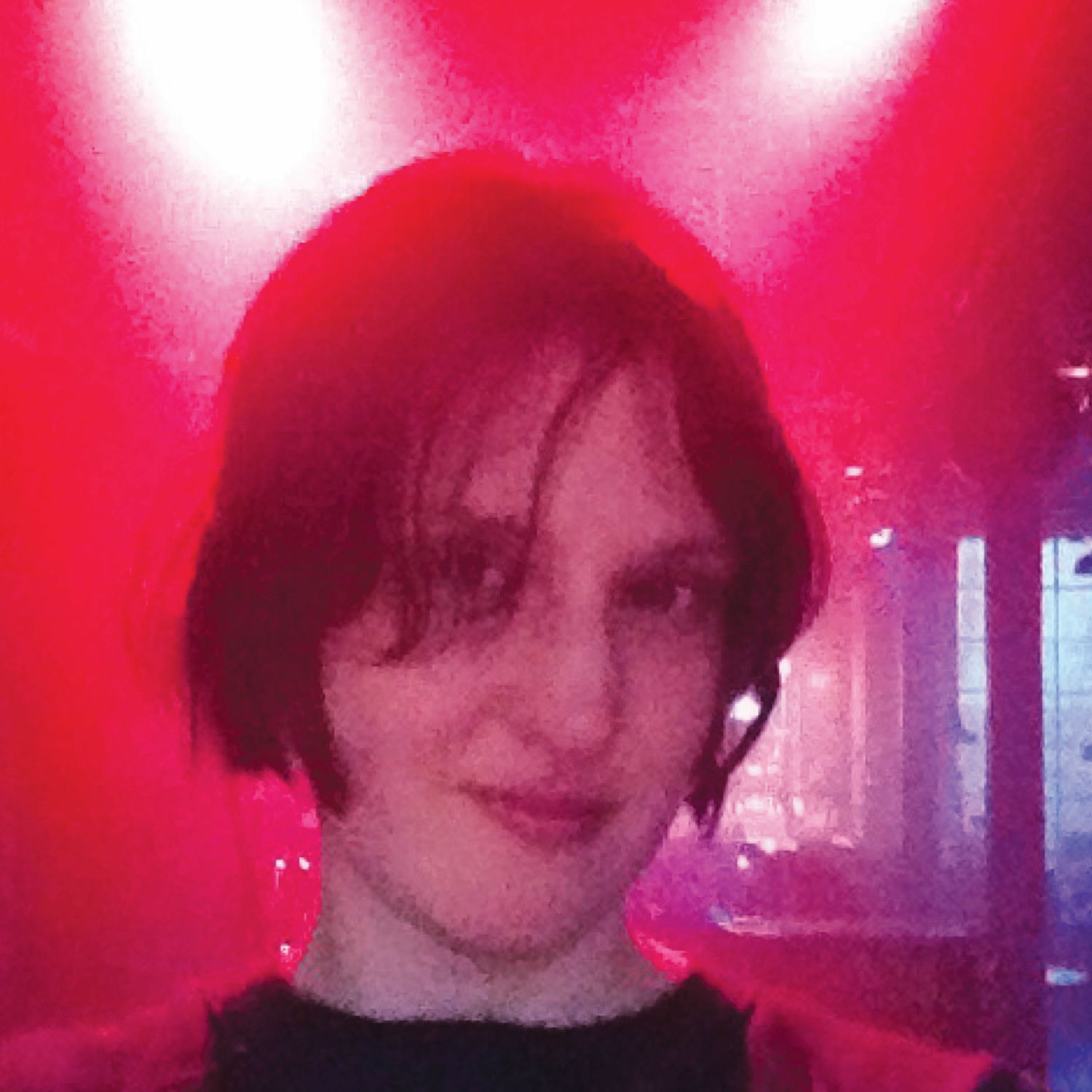
Joanne Robertson – Blurrr
[AD 93]
Blurrr is a work of elegiacal devastation, a transmission from higher altitudes which seems to exist in its own unique reality. Joanne Robertson doesn’t really disassemble the folk aesthetics within which she operates, but she certainly elevates their acoustic austerity to considerable heights. Alongside cellist Oliver Coates, she operates inside various subliminal spaces, utilizing her blurry-eyed vocals to great effect. Her guitar is plucked, strummed, and maneuvered inside curious positions, drawing us in until we seem to inhabit its hollowed-out body.
Robertson approaches the album as if she’s combining two separate and distinct personalities, one reveling in ambient recollections and the other languidly wandering through a series of folk reflections, with each being suspended in the sonic atmospheres of the other. There is no distance in her words, in the music, pressing up against our skin, longing for tactile contact so that it can work its magic up close. These songs look down from above, existing forever in the high places, occasionally dipping down into our world in search of sympathetic ears. – Joshua Pickard
49.
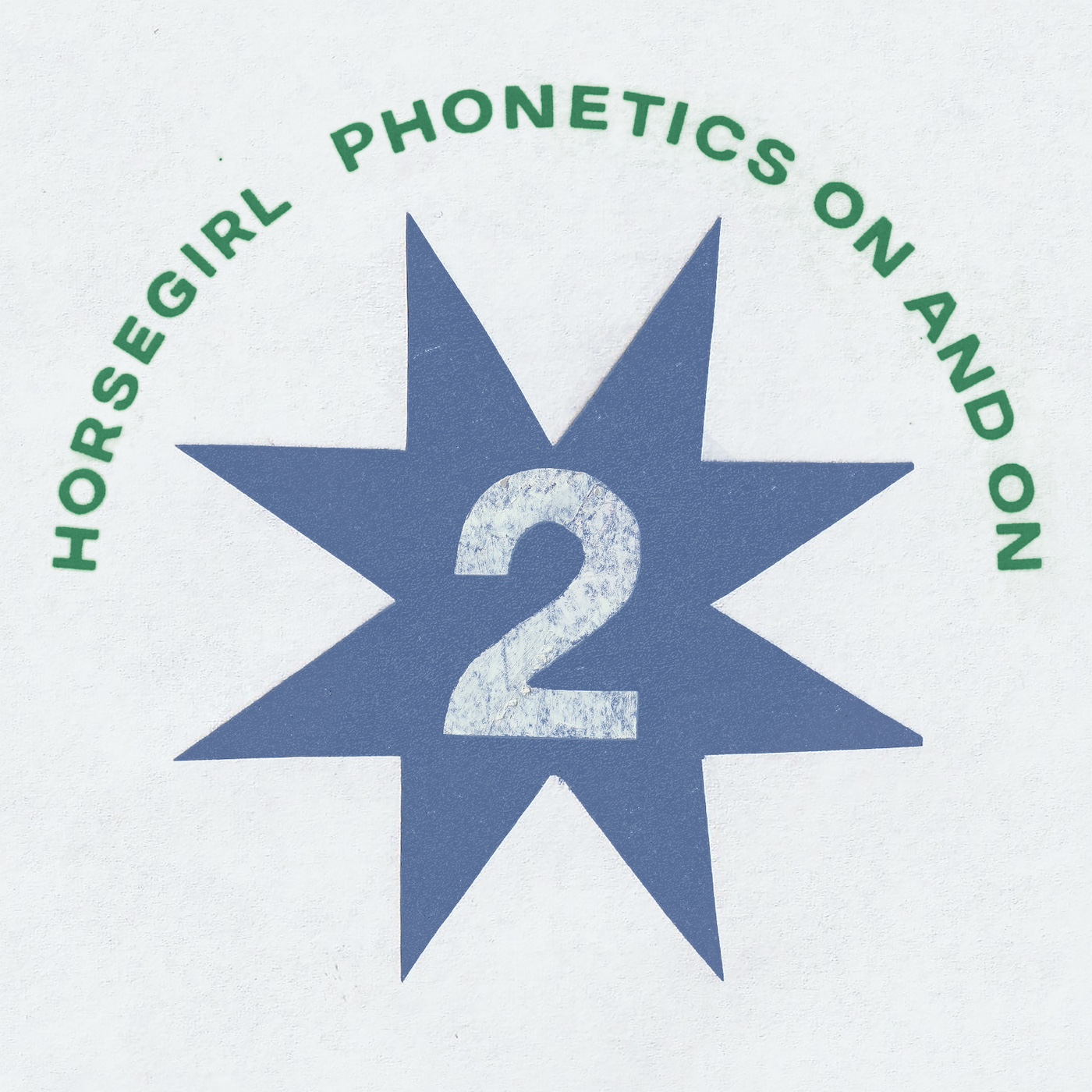
Horsegirl – Phonetics On and On
[Matador]
Albums like Phonetics On and On are so unassuming that it’s easy to miss the craft and care that drive them. Chicago trio Horsegirl’s latest glides through melodies both played and sung. Tracks like the jangling “Switch Over” evoke a singalong camaraderie. Others like “Information Content” and “Sport Meets Sound” highlight the tight chemistry shared by members Nora Cheng, Penelope Lowenstein, and Gigi Reece.
Yet, as with any strong indie rock record, the album’s appeal rests on its emotional resonance. The somber guitar chords of “Frontrunner” reflect a painful longing while closer “I Can’t Stand To See You” centers on the exhaustion that comes from idealizing a problematic ex. The latter highlights the kind of dilemma that could hold up orchestrated numbers and the most emotional ballads. But Horsegirl carry the wisdom that, sometimes, a hushed da-da-da is more than enough. – Carlo Thomas
48.
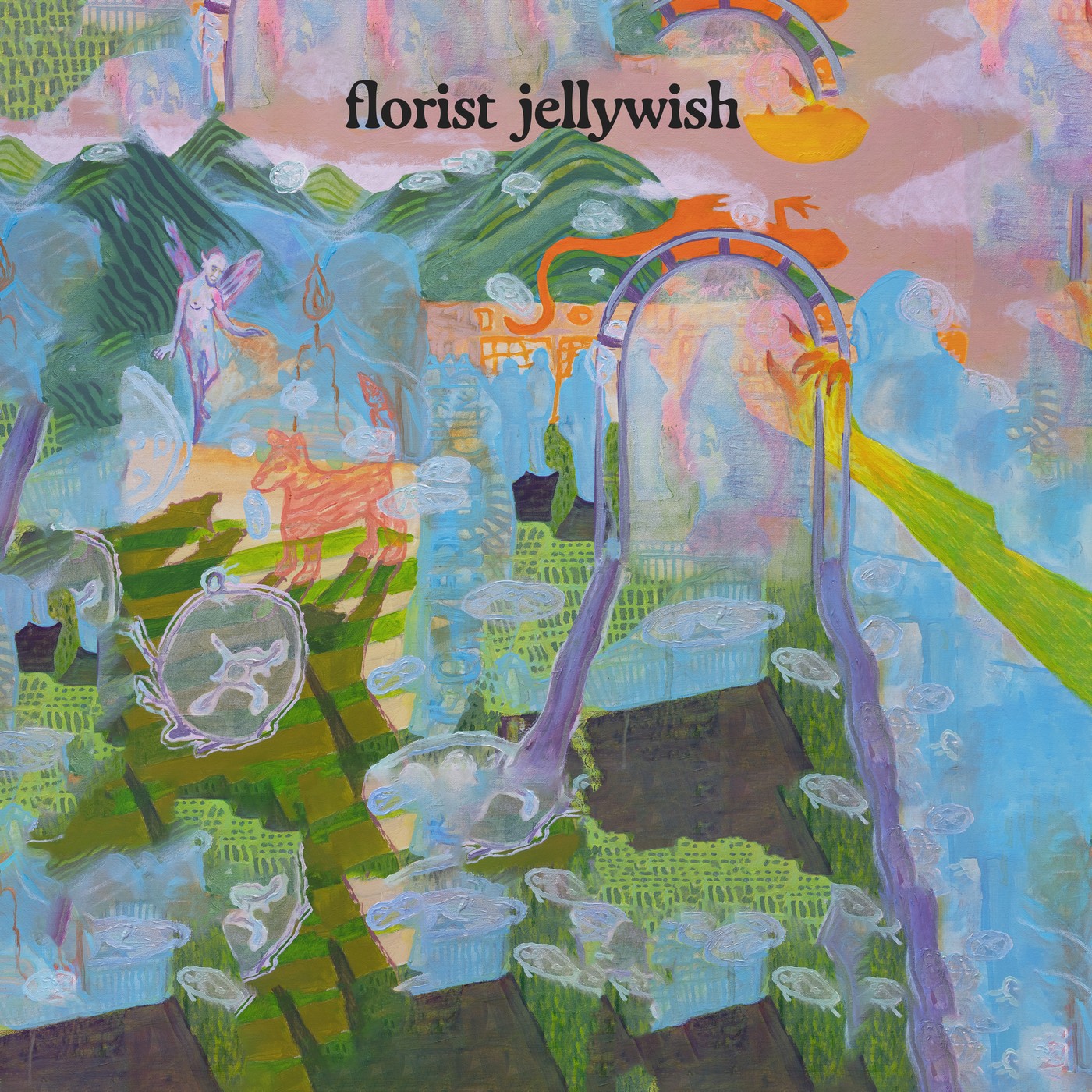
Florist – Jellywish
[Double Double Whammy]
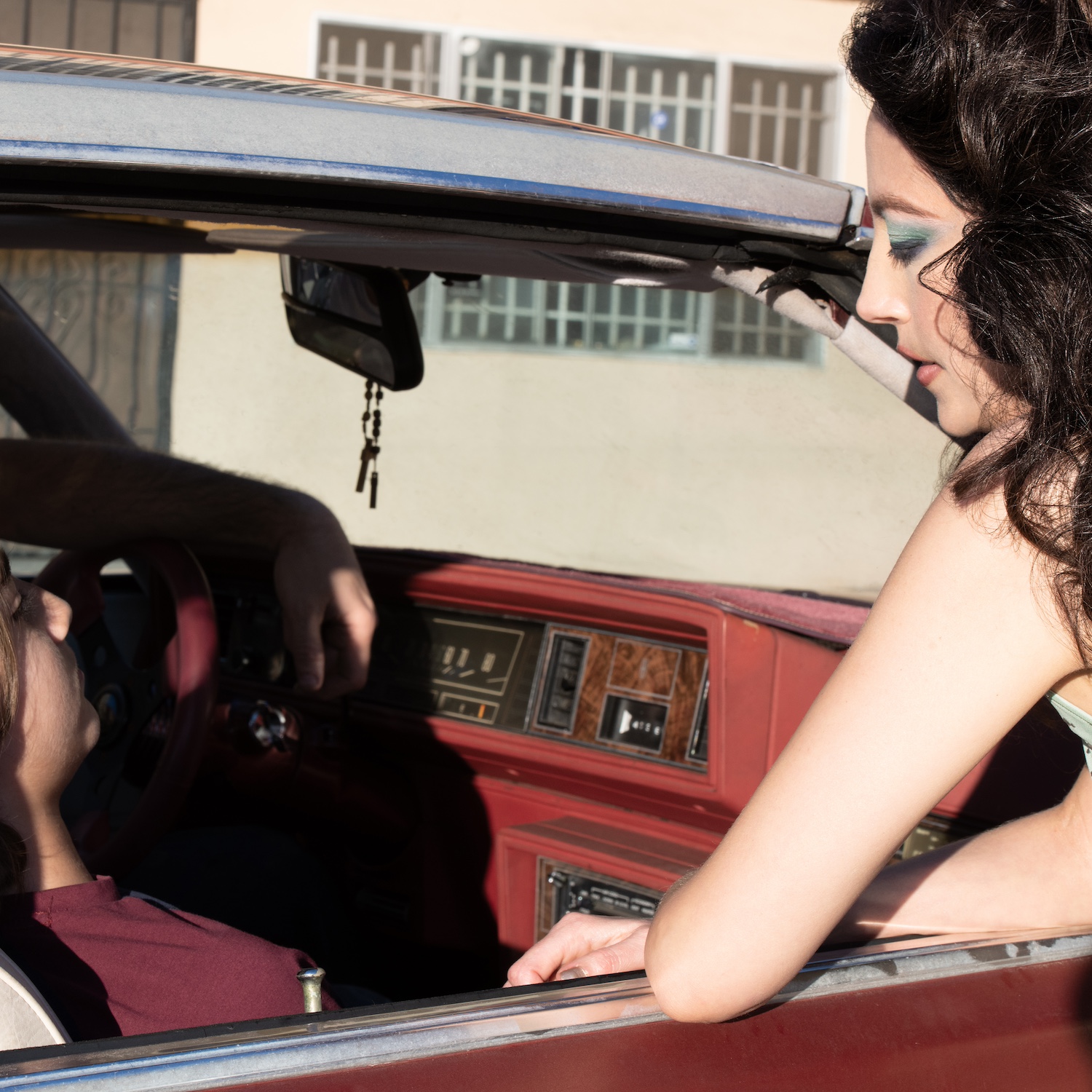
While Emily Sprague continues to navigate relational and identity-related themes, Florist‘s latest set is also her most decidedly sociopolitical in tone. “Levitate” is quietly alluring, acknowledging worldwide crises and our panicked confusion in the face of them: “Should anything be pleasure / When suffering is everywhere?” “Jellyfish” waxes metaphysical while remaining tethered to planet earth; i.e., the ravages of climate change (“Will there still be winter in a year?”). Sprague’s voice is plaintive yet tinged with urgency. “Gloom Designs” speaks to impermanence (how we “blend into the sky”) and the homogenizing effects of technology. While Sprague spotlights the powerlessness that most of us feel, she also underscores the healing nature of love and the redemptive qualities of art. – John Amen
47.
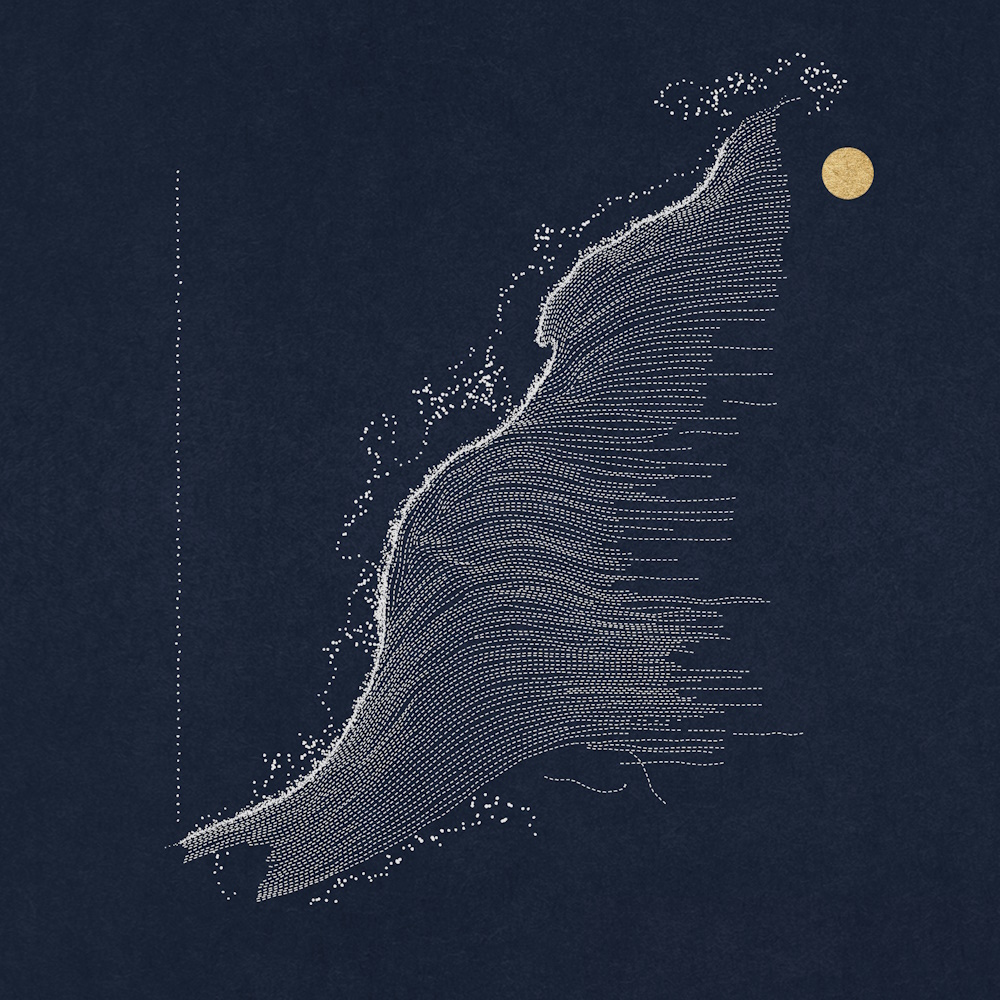
Deafheaven – Lonely People With Power
[Roadrunner]
Since 2013, Deafheaven have had a problem. Sunbather, their breakout record, was arguably a watershed moment for modern metal, and certainly one for black metal.
Whilst not revolutionary to anyone with an ear to the ground of post-rock leaning screamo (Envy, anyone?) or European blackgaze (Alcest, anyone?), Sunbather was undeniably a cultural moment that both alienated pvrists, who questioned the band’s black metal credentials, and served as a gateway drug to heavy music for many a Pitchfork reader.
Their artistic trajectory since has been a fascinating one, albeit one with, dare I say, diminishing returns (whilst still being better than 90% of blackgaze out there). The band leant more and more into their softer side (where I would have liked to see them explore the raw ferocity of one-off single, “Black Brick”, a little more), ultimately resulting in their weakest record; the predominantly cleanly sung, shoegaze-by-numbers, Infinite Granite.
Thankfully, Lonely People with Power is a fairly resounding return to form; their best since New Bermuda, if not quite that 12 year old, pink albatross. It’s about as beautiful as music this heavy could possibly get, the band’s skills honed to a fine point, delivering epics in half the time they used to, and even tearing it up with chiselled concision on possibly the catchiest metal song of the year, “Magnolia”. George Clark’s gargoyle screeches are more controlled and somehow more melodic than ever before, playing to his voice’s strengths rather than straining beyond its weakness.
While Deafheaven are not stretching the boundaries of blackgaze like Agriculture are (except for on the brilliantly brutal noise of “Incidental II”), they’ve earned the right to sit in their comfort zone, especially when the result is still as thrilling as this. – Andy Johnston
46.
Quadeca – Vanisher, Horizon Scraper
[X8 Music]
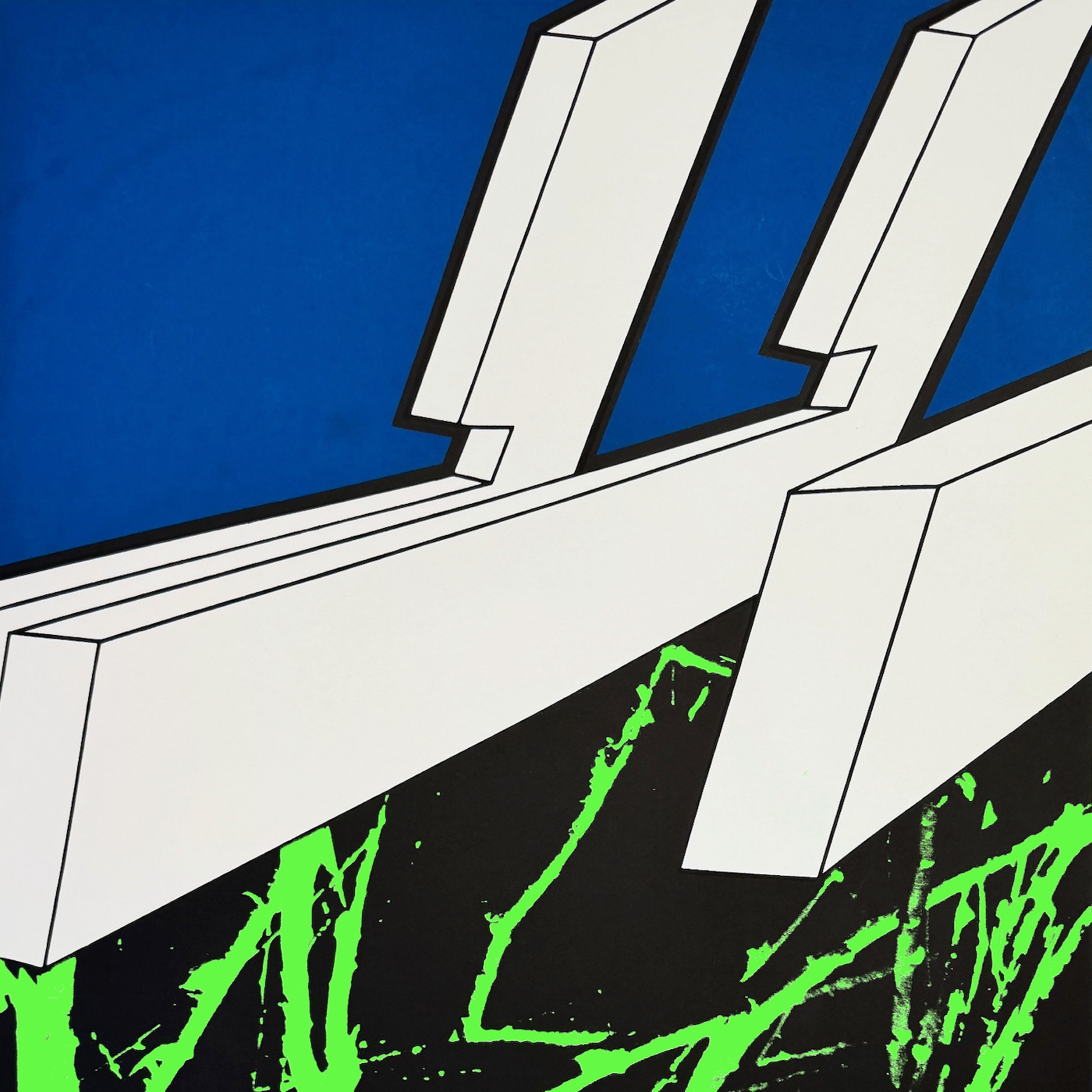
It’s hard to find a contemporary of Quadeca that has managed to unite his influences as effortlessly and elegantly. In comparison, “progressive folk” musicians like Bon Iver sound awkward and stilted. The sheer compositional brilliance of Vanisher, Horizon Scraper is in a league maybe only Ichiko Aoba, Grizzly Bear and Fleet Foxes have managed to retain. Marrying experimental hip hop with chamber pop and psychedelic folk, the album is presented as oneiric coastal exploration, aided by a feature length music video that seems to yearn for the spiritual America of Terrence Malick movies.
Yes, this is all very Californian, very urban and very modern, as tender folk sinks to reveal sudden bursts of thumping rap, or distorted loops beckon for John Lennon’s spirit. But it is also a boundless expression of compositional curiosity and inventiveness. It’s the logical extension of what Frank Ocean attempted on Blonde, but reaches back all the way to Brian Wilson’s SMiLE to find harmonies and instrumentation that connect with a naive, golden age of humble beauty and childlike wonder. It’s impressive what this man has managed to achieve at just 25, outside of the mainstream, all by himself. – John Wohlmacher
45.
Oneohtrix Point Never – Tranquilizer
[Warp]
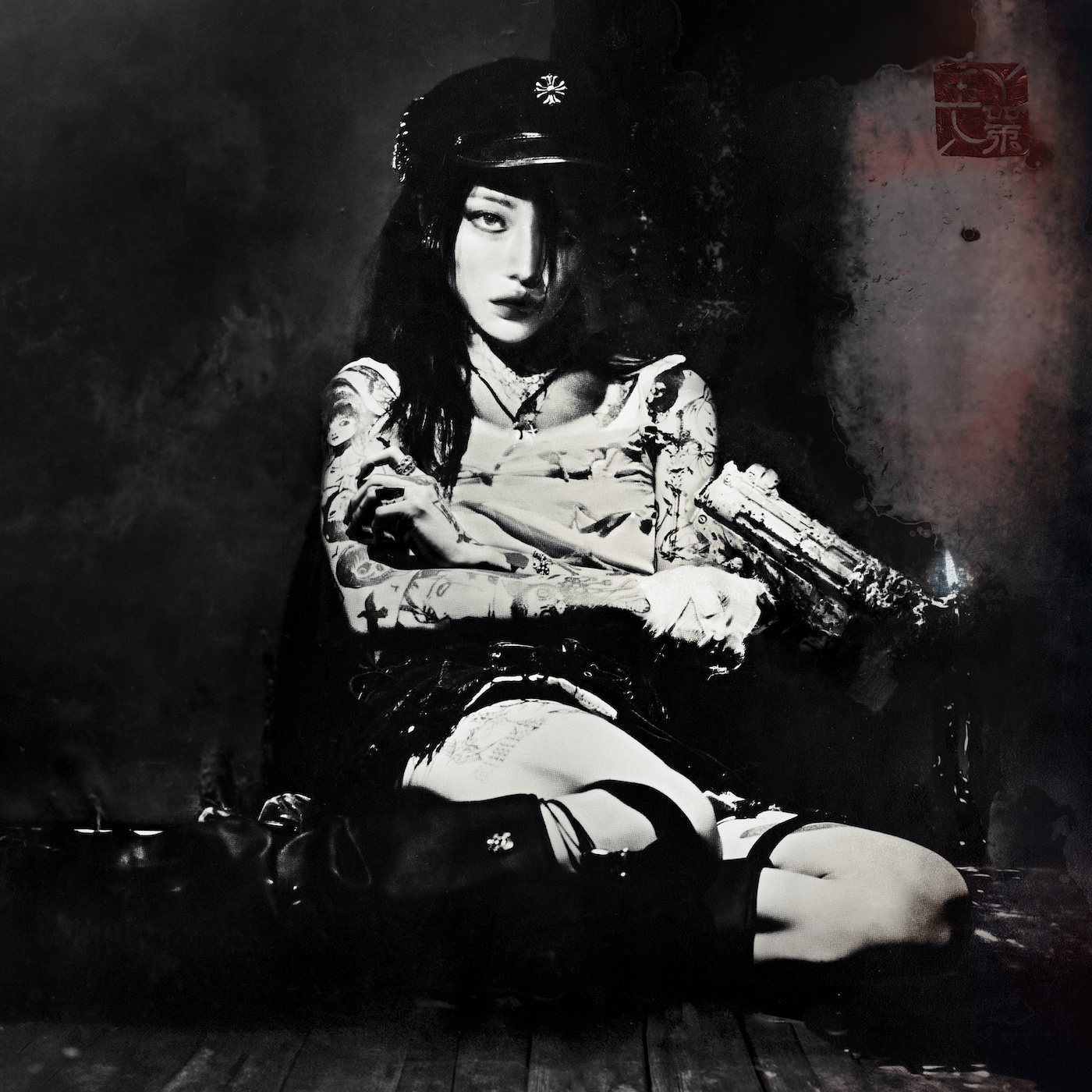
Tranquilizer, the latest album by Daniel Lopatin under his Oneohtrix Point Never moniker, is not presented to us merely as an album, but as an aural pharmakon – a sonic balm deliberately distilled for our hyper-agitated, perpetually-scrolling age. It can also be seen as an apology for all the stress he made us endure with his soundtracks for the Safdie Brothers’ films.
Tranquilizer, like all of Lopatin’s work, shuns the facile escapism of ambient music, instead offering a meticulously engineered form of paradoxically scatter-brained, anti-agitation. The compositions are an unsettlingly familiar pastiche of vaporwave detritus, MIDI-grade nostalgia, and the spectral echoes of forgotten 90s infotainment – a soundscape that both acknowledges and attempts to neutralize the very digital anxiety it emulates. OPN leverages textural dissonance and synthetic, soporific melodies to create a state of channel-hopping derealization: a twist on that scene in Clockwork Orange where instead of scenes of abject horror, our eyes are pried wide open to let in an onslaught of oversaturated banalities: QVC product demos, hotel room screen advertisements, and daytime soap operas.
Tranquilizer is the perfect Trojan horse; a supposed sedative that forces the listener to confront the true source of their disquiet. The tranquilizer is not for the body, but for the mind’s insistent chatter. It is a necessary, perhaps even a medically prescribed electronic poultice for the collective soul. – Andy Johnston
44.
yeule – Evangelic Girl Is A Gun
[Ninja Tune]
It feels a bit reductive, but it’d also feel inherently fraudulent to mention yeule without the word cool. Everything she does is so deeply idiosyncratic, so self-reliant: minimal and maximal. Her influences, interests, and curiosities are so widespread that she’s dashing into a new world hardly the moment she’s crafted the last one. Each album becomes a pole without her having to force it in the slightest.
Evangelic Girl is a Gun is all singed flesh, peeling away from a burned skull in a war-torn valley amidst some badass femme war. Zack Snyder could write his latest stylized slopfest to this. (A dig at him, sure, but a compliment for the inspiring, singular nature of the music.) Pulling from Portishead, Avril Lavigne, and Smashing Pumpkins in equal measure? Why not. Actually pulling it off? We best leave that sort of thing to yeule. – Chase McMullen
43.
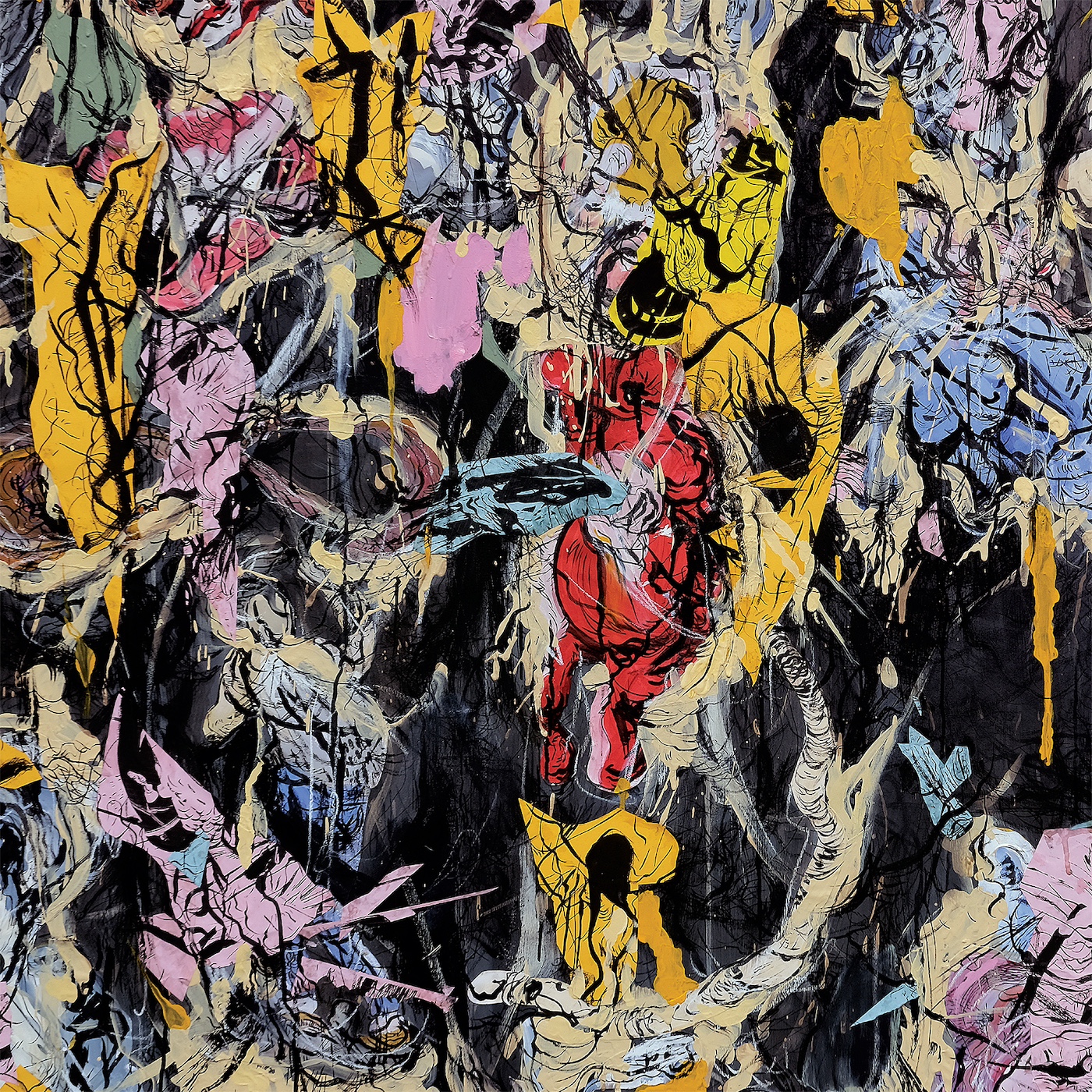
SUMAC & Moor Mother – The Film
[Thrill Jockey]
If you’re paying attention then you’ll realise that we live in dark times. The fascists aren’t coming, folks – they’re already here. The Film is maybe the most on-point, zeitgeist observant album of 2025 as it combines the visceral, hypnotic spoken word poetry of Moor Mother (Camae Awaye) with the majestic post-metal of SUMAC (Aaron Turner, Brian Cook and Nick Yacyshyn). There’s no hope here, only a resigned sense of how we let ourselves get into this state.
The Film is a relentless onslaught of sensations, mostly downbeat and entirely pessimistic/realistic (delete as appropriate) in its world view. SUMAC’s noise is as exquisite as ever, but relegated here to a sound carrier for Moor Mother’s mesmeric and occasionally breathless delivery. Like a preacher in the end times, she demands we sit up, listen, and ultimately take action. Colonialism, climate catastrophe, diasporic identity, and resistance to the industrial war machine and societal systems of violence are all addressed. A collaboration between these titans was never likely to be an “easy listen” (whatever that actually means) but The Film delivers an intensity beyond the sum of its parts. – Todd Dedman
42.
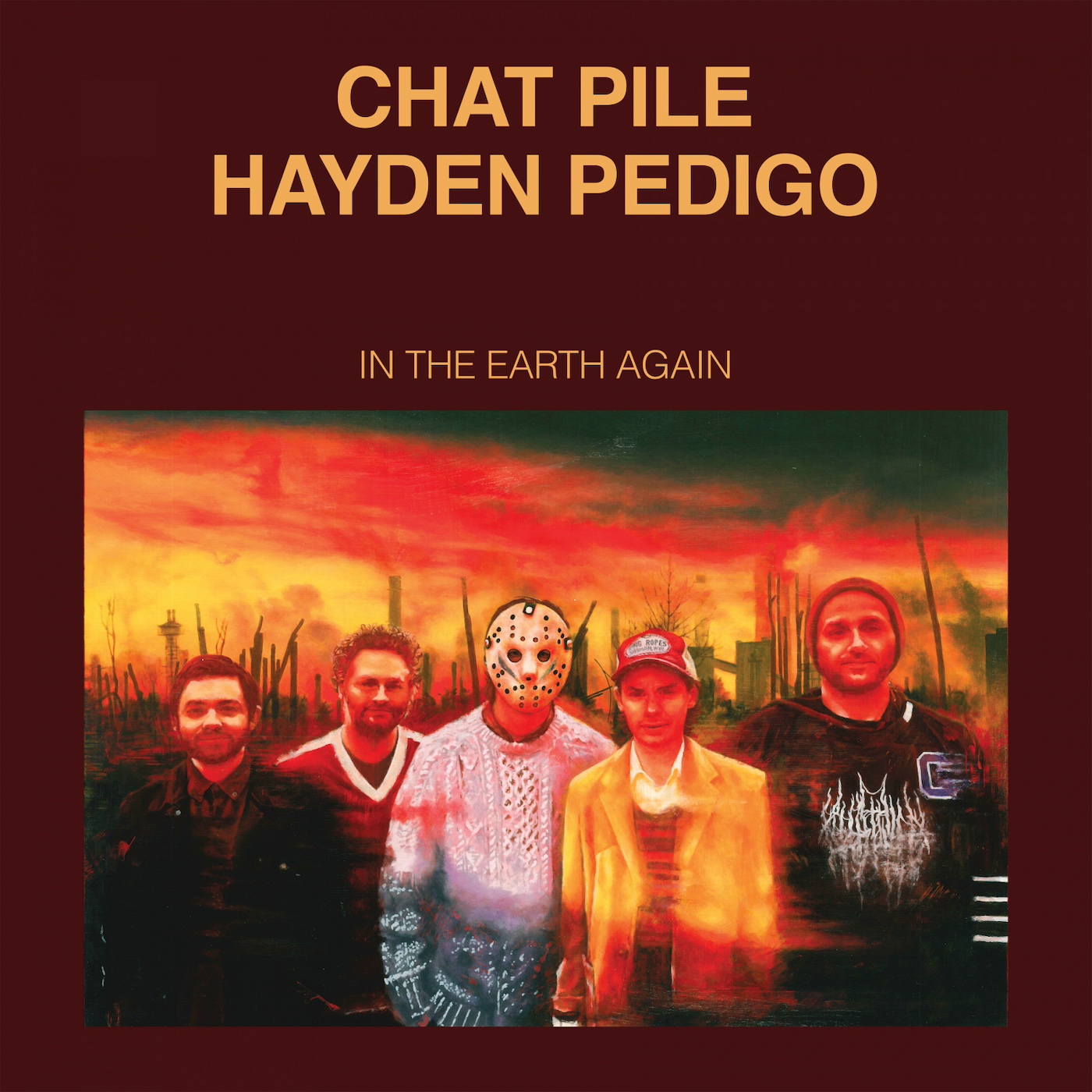
Chat Pile & Hayden Pedigo – In The Earth Again
[Computer Students/The Flenser]
One of the most unlikely collaborations in recent memory, the meeting of noise rock giants Chat Pile and Americana guitar virtuoso Hayden Pedigo has spawned one of this year’s most emotionally resonant works. Presenting itself as one large movement, In the Earth Again is an almost cinematic experience of tender guitar landscapes that seep into brutalist, midnight black, sludgy metal songs. Being avid film aficionados, Chat Pile likely understood the potential of this project from the get go, crafting macabre doom that transform with Pedigo’s incredible textures into hymns of unmade westerns. This is the music that could score a “Blood Meridian” adaptation, forlorn and apocalyptic, sinister reconfigurations of what Superwolf and The Durutti Column are known for. And above all, Raygun Busch delivers what could well be the best vocal and lyrical performances of his career. A cosmic and extraordinary project, In the Earth Again will grow in stature in the coming years. – John Wohlmacher
41.
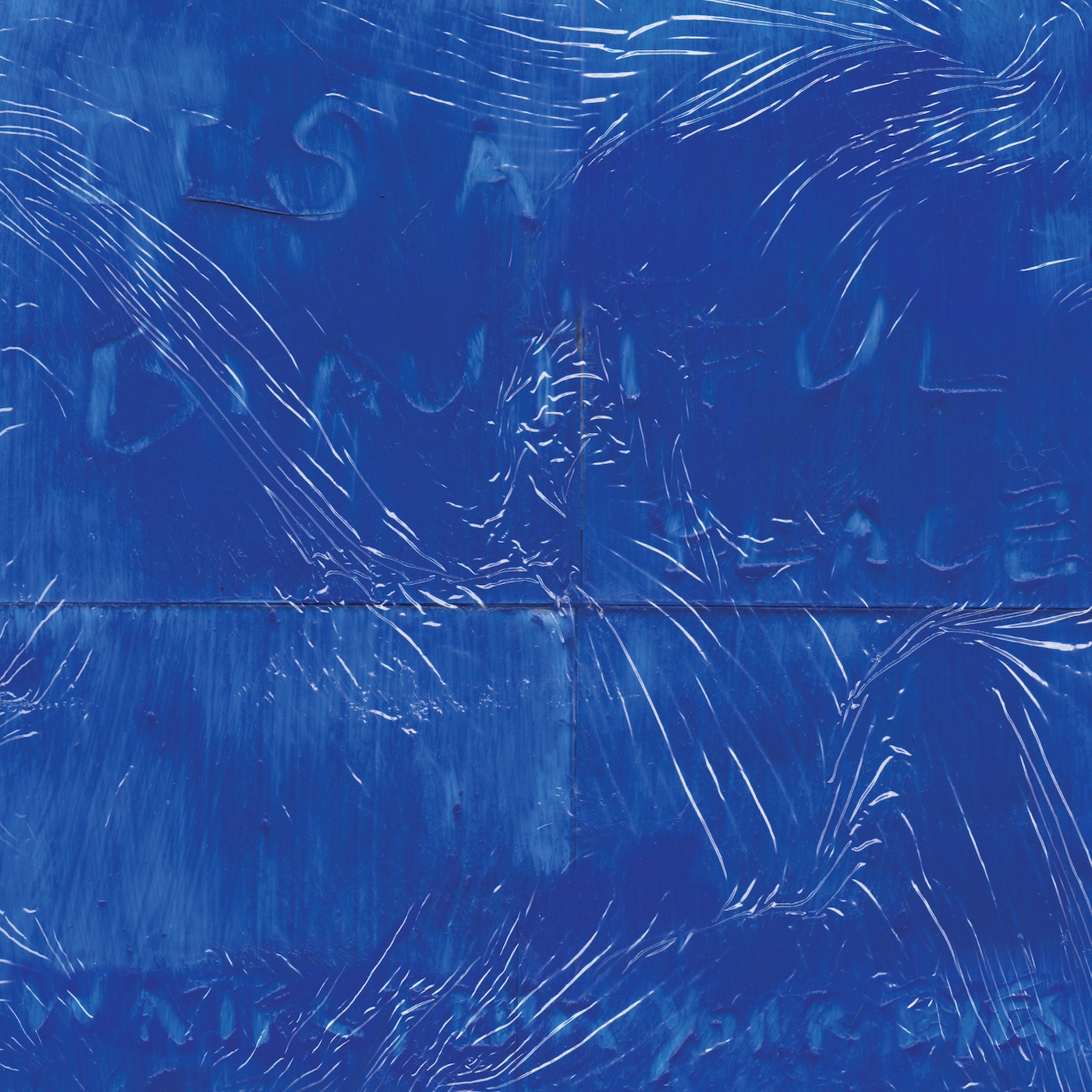
Water From Your Eyes – It’s A Beautiful Place
[Matador]
Bubbling, otherworldly effects bookend It’s a Beautiful Place. These half-minute tracks frame the latest from Water From Your Eyes as a time capsule, one that captures the imagination, experimentation, and humor of the duo. We have the shuffling surf-rock guitar riff that opens “Life Signs”, which evokes both Pulp Fiction and “Rock Lobster”-era The B-52s. There’s the bubbling psychedelia of “Spaceship” and the dance-forward anthem “Playing Classics”. These highlights are cushioned by ambient instrumentals with titles like “You Don’t Believe in God?”
Just like a time capsule, the whole project wraps up in an economical 29 minutes, a stunningly brief runtime given the ground that the duo covers. What will listeners 50 or 100 years from now think? Some might call it tongue-in-cheek or indulgent, others ambitious and original. Some might even call it beautiful. – Carlo Thomas
40.
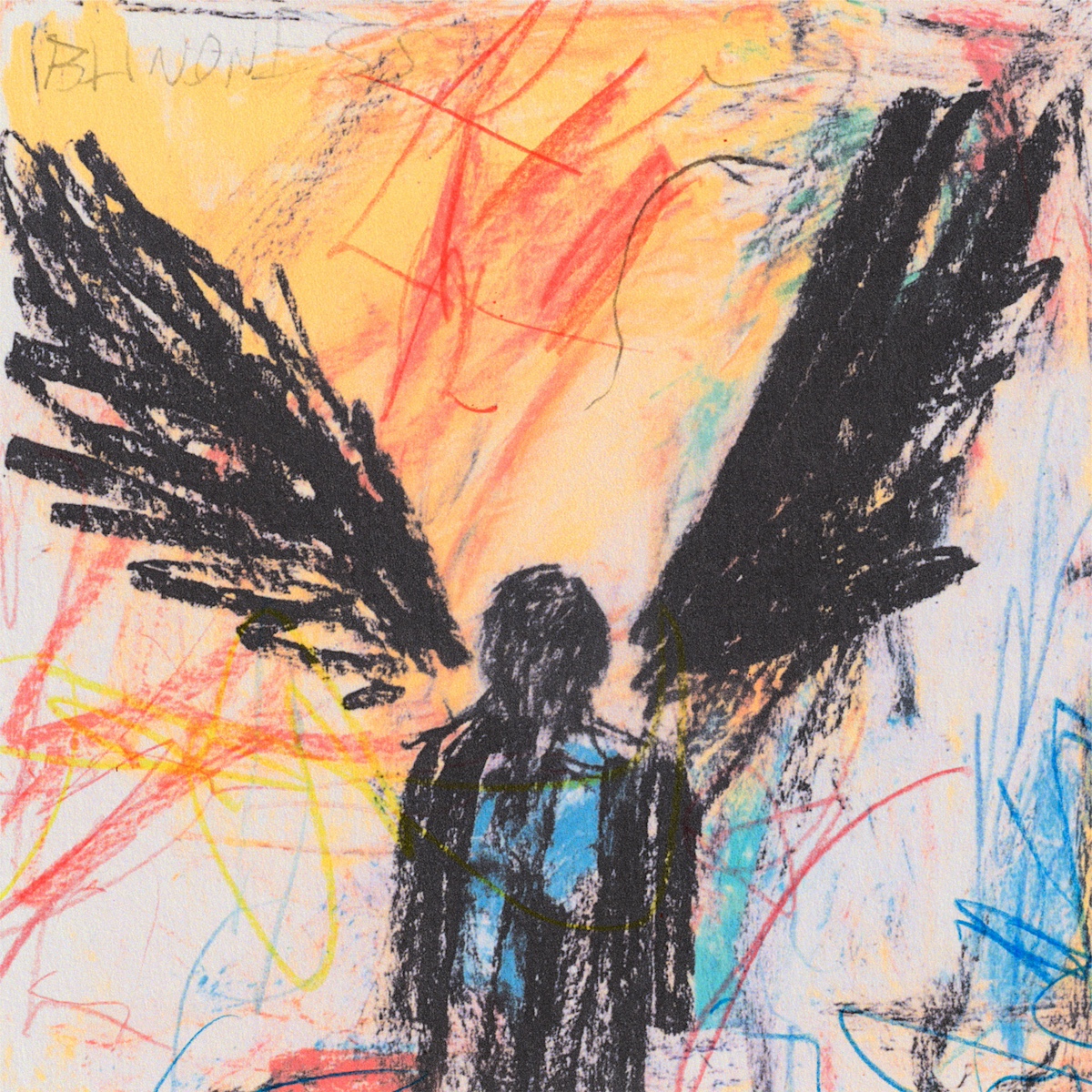
The Murder Capital – Blindness
[Human Seasons]
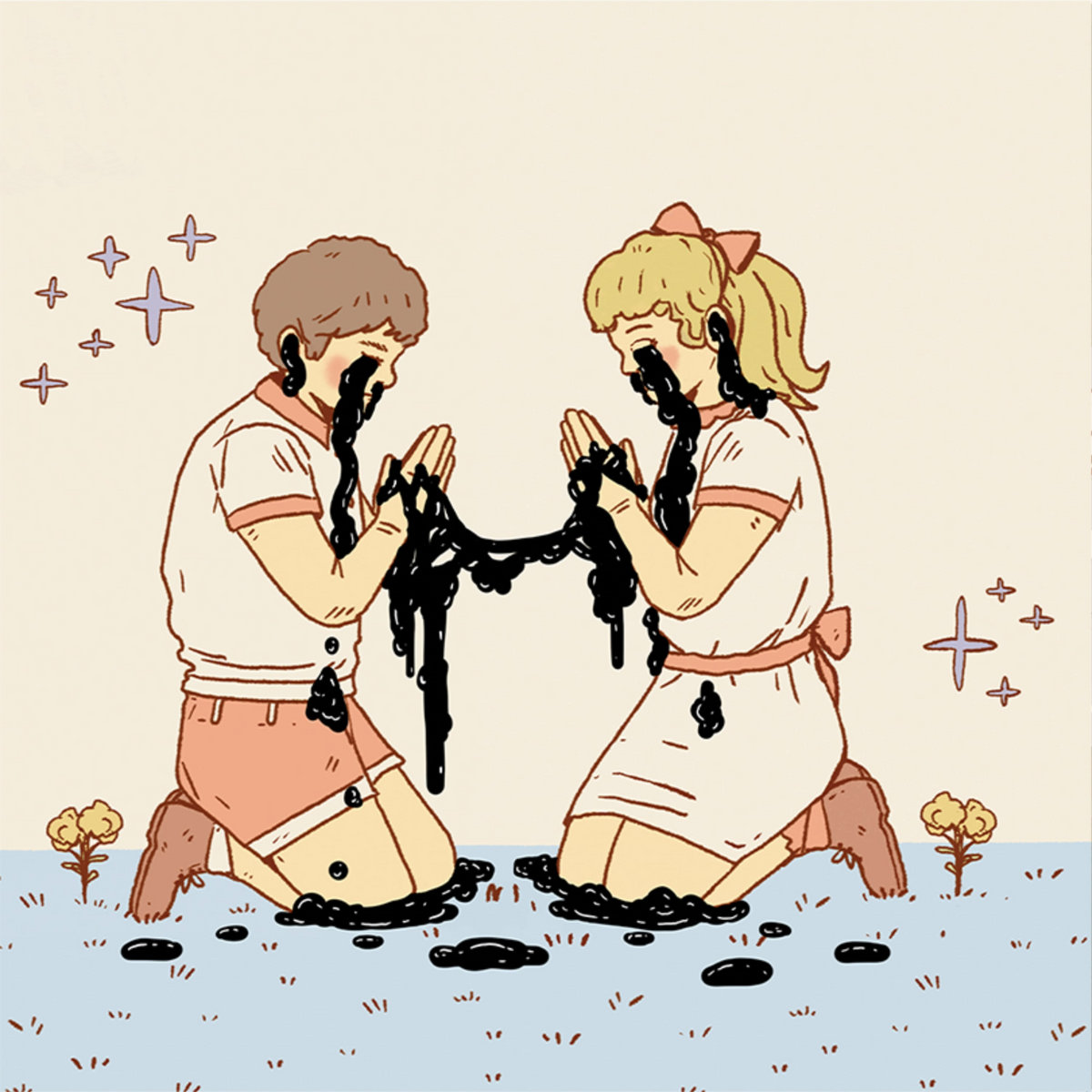
The Murder Capital‘s Blindness oozes wounded romanticism. And is off-the-charts catchy. “Words Lost Meaning” is surly yet vulnerable, grungy yet diaphanous. Thought-provoking and the definition of an earworm. With “The Fall”, guitar parts transition from the noisy to the spacious. Singer James McGovern adopts a rebellious stance but adeptly dodges formulaic bombast. “Love of Country” is refreshingly lo-fi. “That Feeling”, meanwhile, replete with prickly guitars, shows the band experimenting with introversion while also “seizing the day”. With Blindness, The Murder Capital access a new plateau, merging punk leanings and an undeniable pop agility, crossing rakishness, heartache, and a love for melody. – John Amen
39.
Greet Death – Die In Love
[Deathwish Inc.]
I did not see Die in Love coming. Greet Death had mostly been mentioned in American shoegaze discourse, which is a bit of a thankless task. Like most of those bands, the Michigan quintet weren’t really shoegaze, but rather an expansion of classic late 90s alternative rock with a post-rock mindset… and an occasional shoegaze texture here or there.
Following the band’s acclaimed second album, New Hell, co-vocalist Harper Boyhtari transitioned. Reflecting the process, Die in Love finds Boyhtari engaging in complex, often nostalgic and oneiric scenarios, which confront her with alienation, self-discovery and transformation, such as on the standouts “Country Girl” and the heartbreaking “Emptiness is Everywhere”. Parallel to her, co-bandleader Logan Gaval dives into strangely sensual nightmare realms that explore the uncomfortable marriage of eros and thanatos, such as on the grim “August Underground” and flirtatious “Red Rocket”. It’s fantastic to see two songwriters at the top of their game, fully complementing each other’s strengths.
Of course there will be debate if Die in Love qualifies as shoegaze album or not – the guitar tone and textures are there, as well as the hushed vocal performances, but there’s also the clean college radio sheen of late 90s pop present, framing the album as a sensitive sibling to, say, Wheatus and Sixpence None the Richer. But those bands never had the yearning, ruminative qualities of this album, which maybe is closer to Deerhunter than any of those groups. Because ultimately, Greet Death have fashioned a classic of urban American Gothic, a genre that few have attempted and barely anyone has really nailed. Instead of using the record to further pedantic debate, it should be a reminder of lost youth and second chances – as it always was intended to be. – John Wohlmacher
[P.S. we’re sorry for the lukewarm review, our writer was clearly having an off week – Ed.]
38.
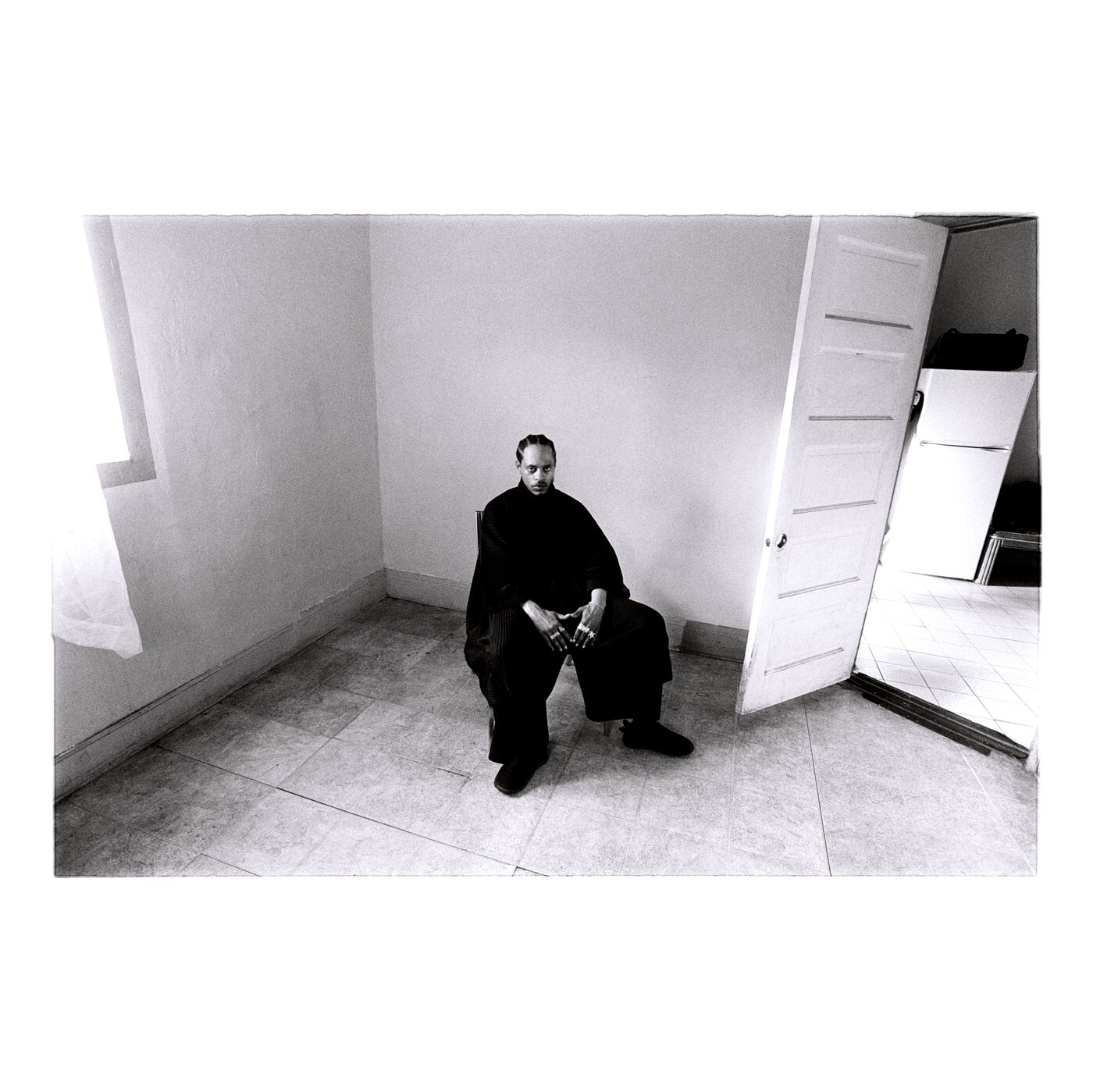
Pink Siifu – BLACK’!ANTIQUE
[Dynamite Hill]
Not all 19 tracks connect, the track sequencing feels like an afterthought, and the volume of features frequently turns Pink Siifu into a guest on his own record. Fortunately, the volume of ideas is even greater. Siifu, a comparatively spry 33-years-old, announces at BLACK’!ANTIQUE’s outset that he has no interest in selling out, and then funnels a Timbaland-style beat through an industrial sawblade.
Frequently manic, the album flies through experiments with a punk energy that also becomes punk music. Often as in-tune with Algiers or Genesis Owusu as Young Thug and (special guest) BbyMutha, its transitions are as broken as the links to his glut of albums and mixtapes. There’s simply no thread to follow: the consistency is the inconsistency, as they say, or is that the other way around? In late 2025, the Billboard Top 40 had a week with zero rap singles for the first time since 1990. Siifu is unlikely to change that directly; indirectly, his zealous reinventions might help jumpstart a moribund genre. – Steve Forstneger
37.
Anna Von Hausswolff – ICONOCLASTS
[YEAR001]
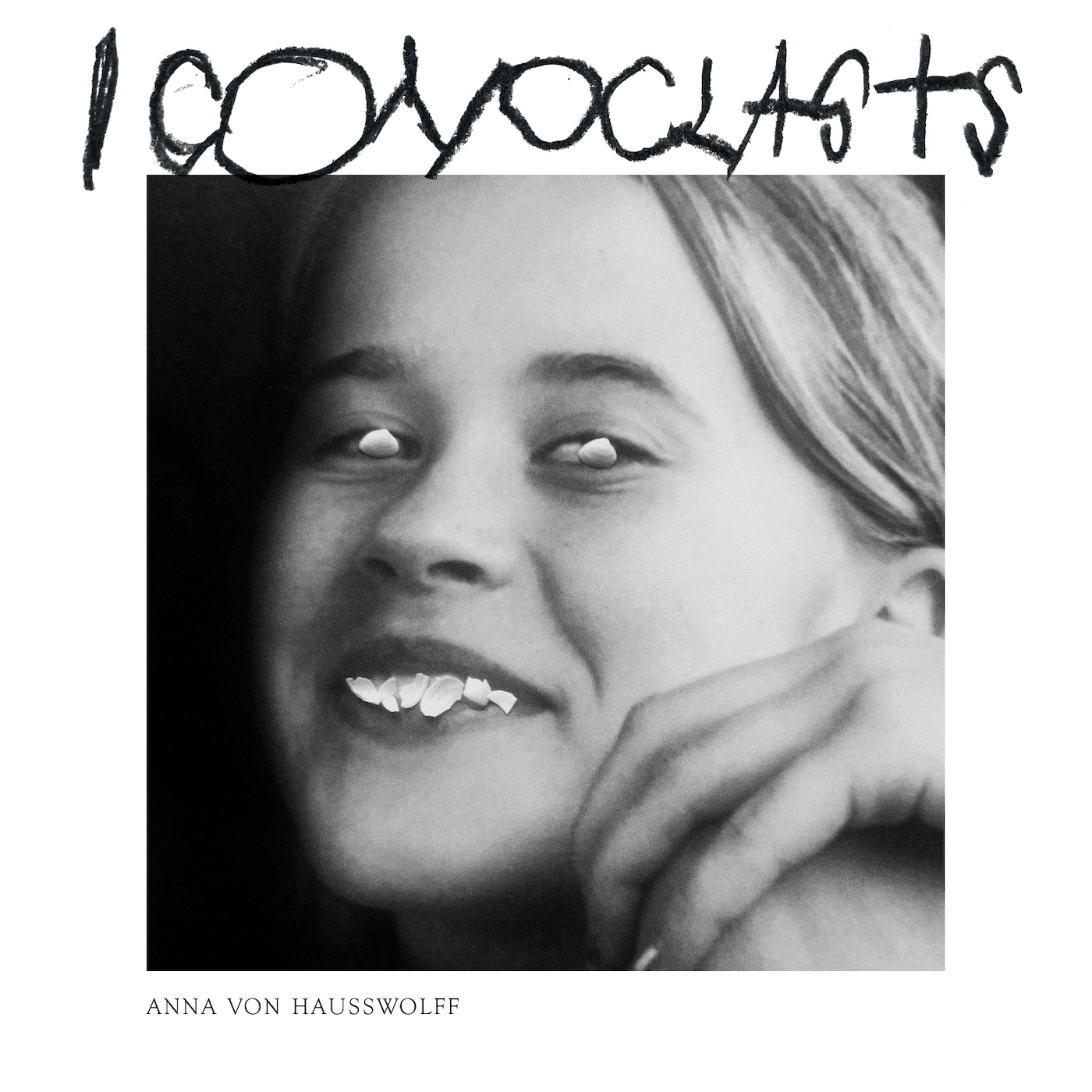
Swedish experimental composer Anna von Hausswolff has always courted grandiosity – as evidenced by her choice of organ as primary instrument. With each record she’s gradually expanded her ensemble and horizons, leading to ICONOCLASTS: a truly epic collection that uses classical imagery, bombastic arrangements and her turret-toppling voice to relay struggles with commitment, dependency and belief.
“Facing Atlas” is the album’s first vocal-led track and finds von Hausswolff elegiacally breaking down in front of someone’s steadfastness, admitting “the world is full of shit and full of evil” and begging “Can’t we just run away? / It’s no fun to stay.” The rest of the album, then, sounds like that turbulent journey, trying to escape the inescapable. The following “The Iconoclast” rides on undulating waves of saxophone from the album’s ace in the hole Otis Sandsjö while von Hausswolff scrapes through terrible truths and hard-learned lessons, the song building until it collapses with the rattling peak of her voice – only to build and build again, those infernal questions of existence swirling incessantly.
This expansive voyage takes in powerhouse guests Iggy Pop and Ethel Cain, but the centre of gravity is always with von Hausswolff. She impressively flips from stately, glistening soul-searching in “The Mouth” into groove-led gothic rock on the excoriating following track “Stardust”. She battles suicidal thoughts on the gnarly rocker “Struggle With The Beast” and commits to endless devotion alongside her sister Maria on the string-laden “Unconditional Love”. By the time the album concludes and you’ve been sailing alongside von Hausswolf under the night sky for 73 minutes, it won’t feel like the darkness is abating, but you’ll see the lights in the sky have never seemed so magisterial. – Rob Hakimian

36.
Rochelle Jordan – Through The Wall
[EMPIRE]
Through The Wall comes from someone who knew exactly what they wanted to do and how to do it. Rochelle Jordan, ought to, really, given she’s been in the game for more than a decade. That she has credit in the bank has kept her from accusations of capitalising on Beyoncé’s visit to classic house music, while the album’s nearly seamless transitions indicate that it has been in the planning stages for some time. With stronger ties to R&B than were originally noticed, it’s still hard to ignore how prominent the bass drum is as well as the hand-drum rhythms that can be traced back to Chicago. “Ladida” and “Doing It Too” provide more pop-songwriting skill than much of the breathy, seductive passages would have one predict. The surround-sound closer “Around” says that she’ll be staying with this long after the carpetbaggers have gone. – Steve Forstneger
35.
Japanese Breakfast – For Melancholy Brunettes (& sad women)
[Dead Oceans]
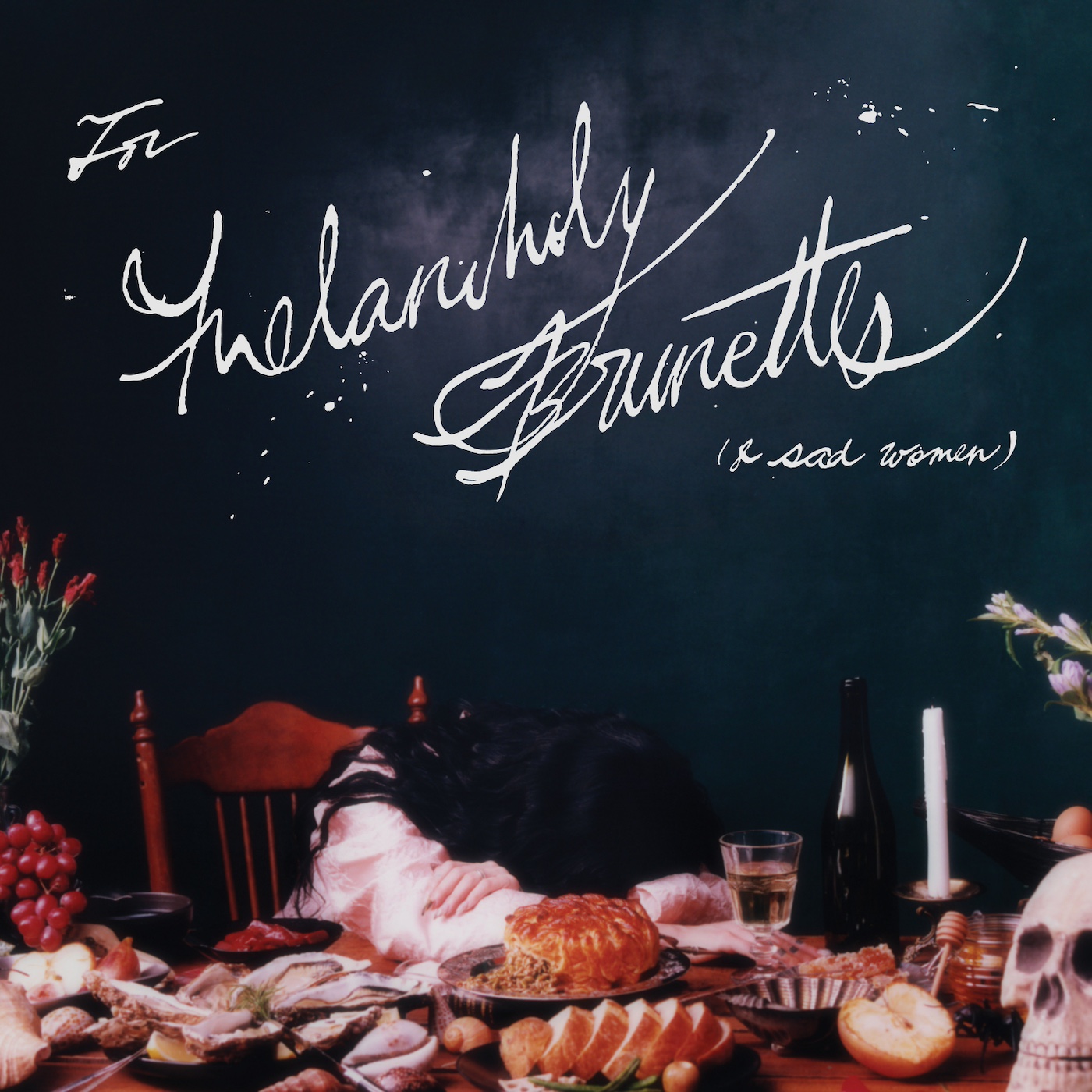
Japanese Breakfast surprised us this year with her fourth album, For Melancholy Brunettes (& sad women). Coming on the heels of career breakthrough Jubilee, which was bursting with groovy keys and bass, buoyant vocals, and catchy pop production, For Melancholy Brunettes traded the synths for acoustic guitars and arranged strings. Amid her softest sonic palette yet — at times evoking a vaporous cloud or a gentle stream — Michelle Zauner and co. gave us 10 gorgeous songs, pulling on strains of mythology, literature, classical music, and history, with spindly instrumentals and sweet vocals. Where before the guitars or keys would strut, here they lilt or sparkle or sway, and ultimately, Japanese Breakfast has never sounded better. – Jeremy J. Fisette

34.
Lily Allen – West End Girl
[BMG]
It initially took some convincing that West End Girl is one of the year’s best albums. Notable? Definitely. Any time a celebrity pulls back the rug to show what another celebrity has swept underneath it will get our attention, but sustaining it is another matter. Lily Allen’s fans naturally relished how barbarously she tears Harbour a new one, but musically she’s in her comfort zone with that breaking-the-fourth-wall conversational style and beats that dip into retro 2step.
The 2step is a clue, however, as is Nieves González’s modern-baroque album cover of a stern-looking Allen in street fashion. The sensation that the album illuminates so well is the brutality of timing, of life being thrown off course. On her last album – eight years ago – she was already grappling with age and when West End Girl opens she’s giving domesticity her all. The infidelity that capsizes her marriage is supposed to be a feature of men in her past.
Instead, she gets hurled back into the confidence and (by her admission) daddy issues that plagued her 20s. At first, the use of auto-tune feels random but eventually seems purposeful and strategic. She has to start dating again and trying to look and sound younger, bitter at having to launch a new façade. One of the riskier decisions on the record was to withhold her feelings for her ex, so the first half of it runs the risk of becoming a pity party. But when the “I love yous” emerge on “Nonmonogamummy”, they emotionally anchor the album in a way that many celebrity tell-alls never manage. – Steve Forstneger

33.
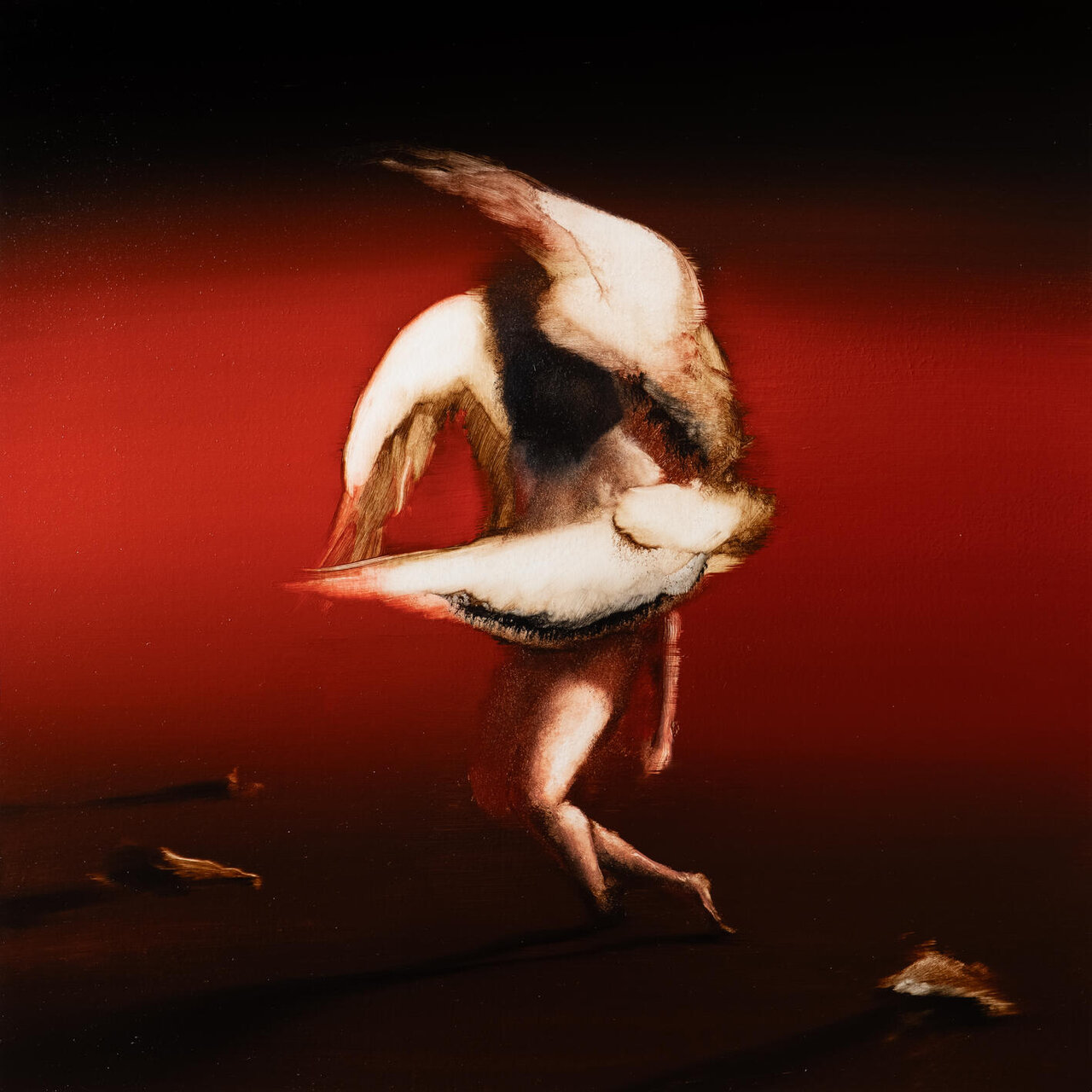
Annahstasia – Tether
[drink sum wtr]
This was a real discovery for me this year, and I suspect for many others as well. Annahstasia’s debut album, Tether, seems to have materialized almost out of nowhere. But it is so assured in its graceful, often-hushed beauty, it sounds like the work of a total pro. Folk-leaning soft rock arrangements, riddled with delicately plucked and strummed guitars, soft strings and woodwinds, and the occasional percussive climax, the songs on Tether present a deceptively simple setup that belies a complex and nuanced heart.
And above it all is Annahstasia’s commanding voice, a low shivering husk capable of communicating potent emotion, sounding like a lovechild of Tracy Chapman, Meshell Ndegeocello, and Natalie Merchant, but also a vital instrument all its own. From the gentle and slowly-blooming “Be Kind” to the chugging climax of “Silk and Velvet” to the buoyant finality of “Believer”, Tether is a singer-songwriter album done in a classic, but no less invigorating way. – Jeremy J. Fisette
32.
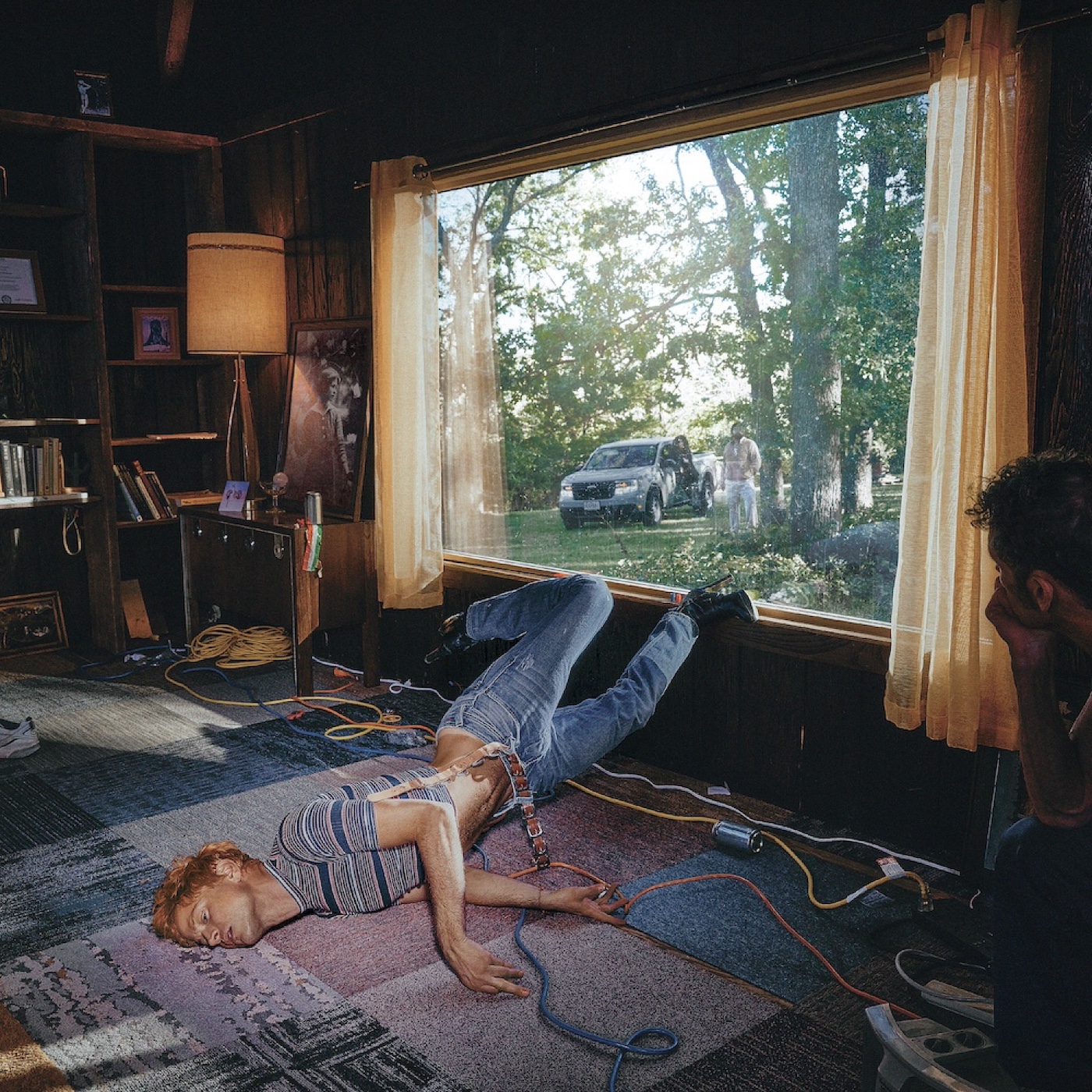
Maruja – Pain To Power
[Music For Nations]
Maruja consider the act of creation a true expression of rebellion. The Manchester outfit find purpose in good chaos, creating a whirlwind of hip-hop, jazz, post-punk, and alt-rock that speaks to their influences while laying waste to any expectations you might be carrying with you.
Channeling their explosive live presence with a dizzying array of agit-jazz impulses, Pain to Power is self-help writ large and apoplectic. Through songs like “Trenches” and “Bloodsport”, the band harness an intuitive and spontaneous energy that fuels their collective outrage. Guitars are torn apart, saxophone squeals can be heard from miles away, and the echoes of Rage Against the Machine can be felt in the evening air. Their cross-genre experimentation aligns them with likeminded artists such as black midi and Squid, though Maruja are more pointedly political than their peers. When Pain to Power speaks, nothing else seems to matter – all that exists is a desire to raise your voice and make some goddamn noise. – Joshua Pickard

31.
Bad Bunny – DeBÍ TiRAR MáS FOToS
[Rimas Entertainment]
As noted when BPM included DeBÍ TiRAR MáS FOToS in our compilation of albums we overlooked from the first half of 2025, the album is both a celebration of Puerto Rico as well as Bad Bunny’s penance for drawing unwanted attention to the island. His acceptance to play the half-time gig at the coming Super Bowl questions how sincerely guilty he feels, but that he did so on the back of a conceptual album tells you about the responsibility he feels to represent his culture. Much the way he can make his biggest songs feel intimate like on its title track, DTMF (“I should have taken more pictures”) actually attempted to scale back his stardom by dabbling in traditional salsa and featuring only low-profile, local artists as guests. Bad Bunny learned with this record that his popularity and influence are bordering on transcendence – and slightly out of his hands. – Steve Forstneger
30.
Perfume Genius – Glory
[Matador]
Turning 40 is a landmark in many ways. It’s the true advent of middle age, it’s a new beginning now that you’ve grown out of the insecurities of your 20s and 30s – it’s nothing short of a fucking existential crisis to be honest.
It’s also a threshold into an anticipation of life-changing grief. Friends, lovers, family exist in a state of precarious impermanence. It’s within this context that Mike Hadreas’ seventh album as Perfume Genius, and first since he turned 40 himself, arrived to mark an intriguing inflection point in his life and artistic trajectory. Following on from the boundary-expanding, experimentalism of Ugly Season, Glory is likely the most accessible Perfume Genius record yet: a beautiful marriage of understated yet idiosyncratic songcraft with deeply textured production courtesy of Blake Mills.
There are so many highlights across the record from the twink muscularity of opener, “It’s A Mirror”, to the grim comedy of the abduction fantasy as poetic inspiration of “In a Row”, but no track struck me as powerfully as “Left for Tomorrow”, a song written in anticipation of the death of Hadreas’ treasured dog, but which applies universally to everyone’s fear of losing someone they love. Turning 40 sharpens that possibility into unignorable focus. But as the album title indicates, nothing in life lasts forever but it sure can be glorious while it does. – Andy Johnston

29.
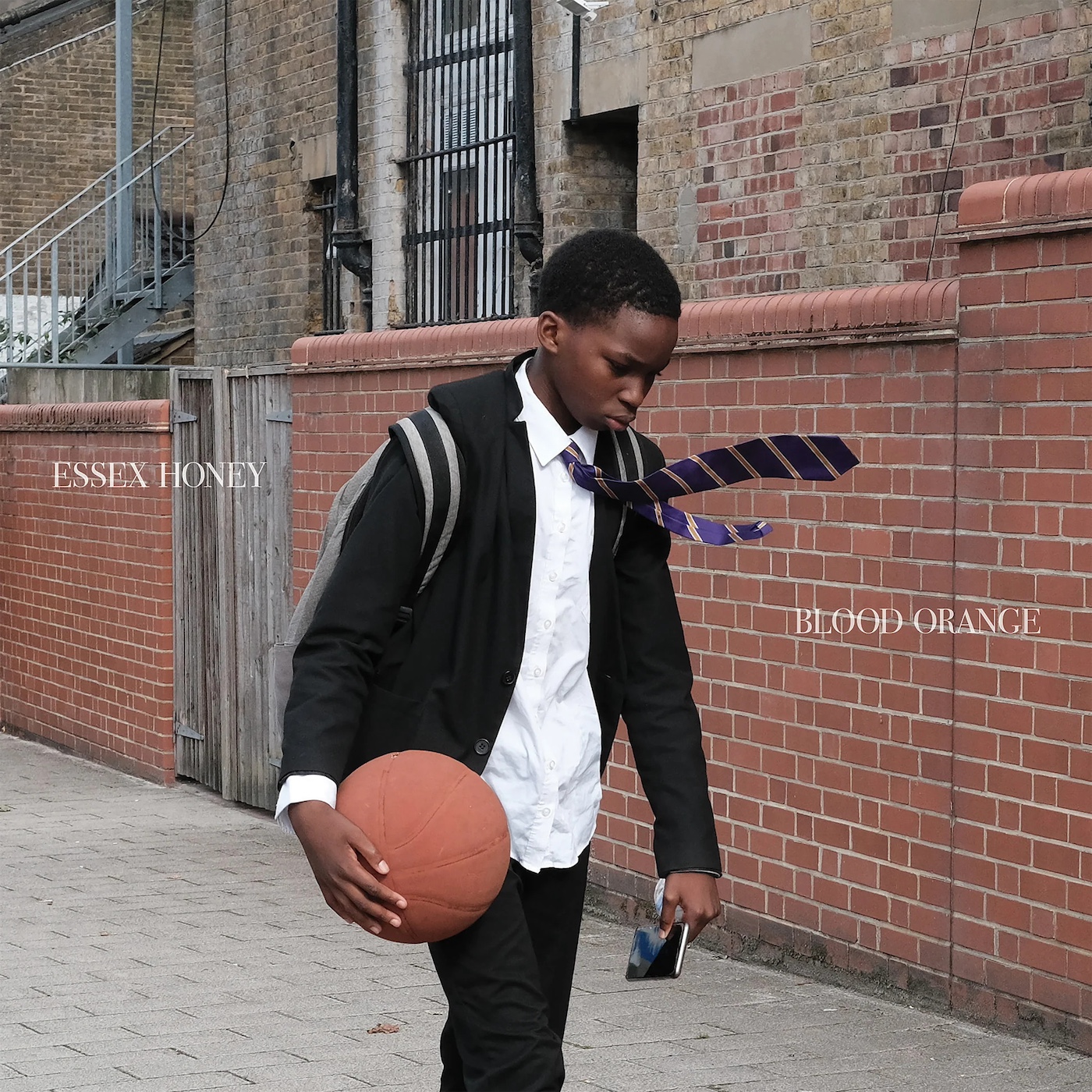
Bon Iver – sABLE, fABLE
[Jagjaguwar]
SABLE, fABLE is the Bon Iver album for every occasion. Justin Vernon’s fifth album under his now unmistakable moniker condenses everything we have come to love about Bon Iver over the years: prickly electro-acoustic guitars, pitch-shifted vocals, grand gestures, intimate introspection, and wordplay that causes goosebumps on the back of your neck. It’s gorgeous stuff, music made from the heart to spill out into the world.
We get echoes of the past – note the welcome variation of the melody of “Beth/Rest” on “There’s a Rhythmn”, where Vernon fittingly sings “Can I feel it another way?” – and if this is to be the final album Vernon makes under the Bon Iver name, as he claims, then what better than a gentle tour of his greatest features before he bows out. “Can I get a rewind / Just this once, if you don’t mind,” he ponders. As listeners, we’ll always say yes to this, and SABLE, fABLE allows us to do just that; here we can enjoy his past over and over. – Ray Finlayson
28.
Blood Orange – Essex Honey
[RCA]
For his first album in six years, Dev Hynes aka Blood Orange finally put the spotlight on himself. Where previous records have examined Black cultures, particularly those of his parents, on Essex Honey he takes us into his soul: back to his youth and through his grief. As usual, there is a genuine cornucopia of guests, from old friends like Caroline Polachek to new collaborators like Lorde (on the same track!), from legends like The Durutti Column to relative unknowns like Tariq Al-Sabir, all of whom are perfectly utilised by Hynes to make this blissful, heartaching fantasy of a project.
But, perhaps more than on any of his other projects, Hynes’ own voice is present and its gorgeously soulful tone is the heart that brings depth to the whole piece. It’s complemented musically by emotionally rich indie approaches that hover like memories, arising then dissolving. Through it all, we get glimpses of Blood Orange the boy, a creative teen discovering himself, listening to alternative heroes like Elliott Smith, The Replacements and Yo La Tengo and dreaming of America – where he would end up spending a significant portion of his adulthood. It all adds up to a portrait where you can tell that every sonic brushstroke is meaningful and painstakingly applied. – Rob Hakimian
27.
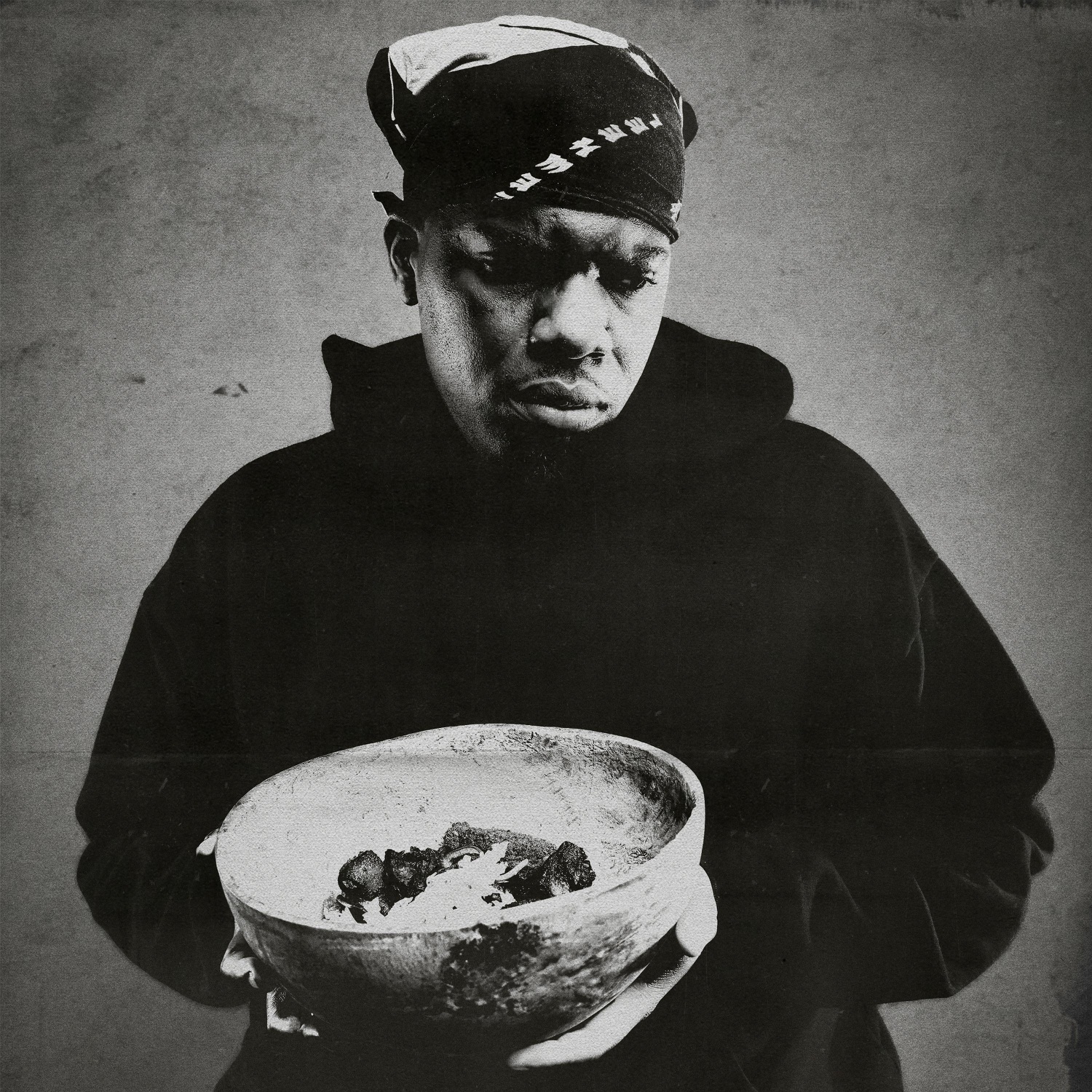
Jiles & Grubby Pawz – Griot
[Van Buren]
Grime. Grit. East-coast horrorcore meets LA noir. Beats that lull and assault, accents that intrigue and disturb. Such is Jiles and Grubby Pawz’ Griot. “Jumping Off the Porch” blends snarly declarations, Halloween electronics, and chaotic beats. “Neighborhood Watch” is built around Jiles’ lyrical collages, delivered via a druggy growl. Sonics are droney, hypnotic, at once bright and funereal. “Suspect/Victim” features wandering storylines, violent imagery, tales of survival told in a dim lounge where the employees leave a fake Christmas tree up year-round. Griot is 40 minutes of riveting rap tension complemented by instrumentation that conjures empty streets, blue lights flashing against a derelict building. The stranger emerges from the night, then disappears back into it. – John Amen
26.
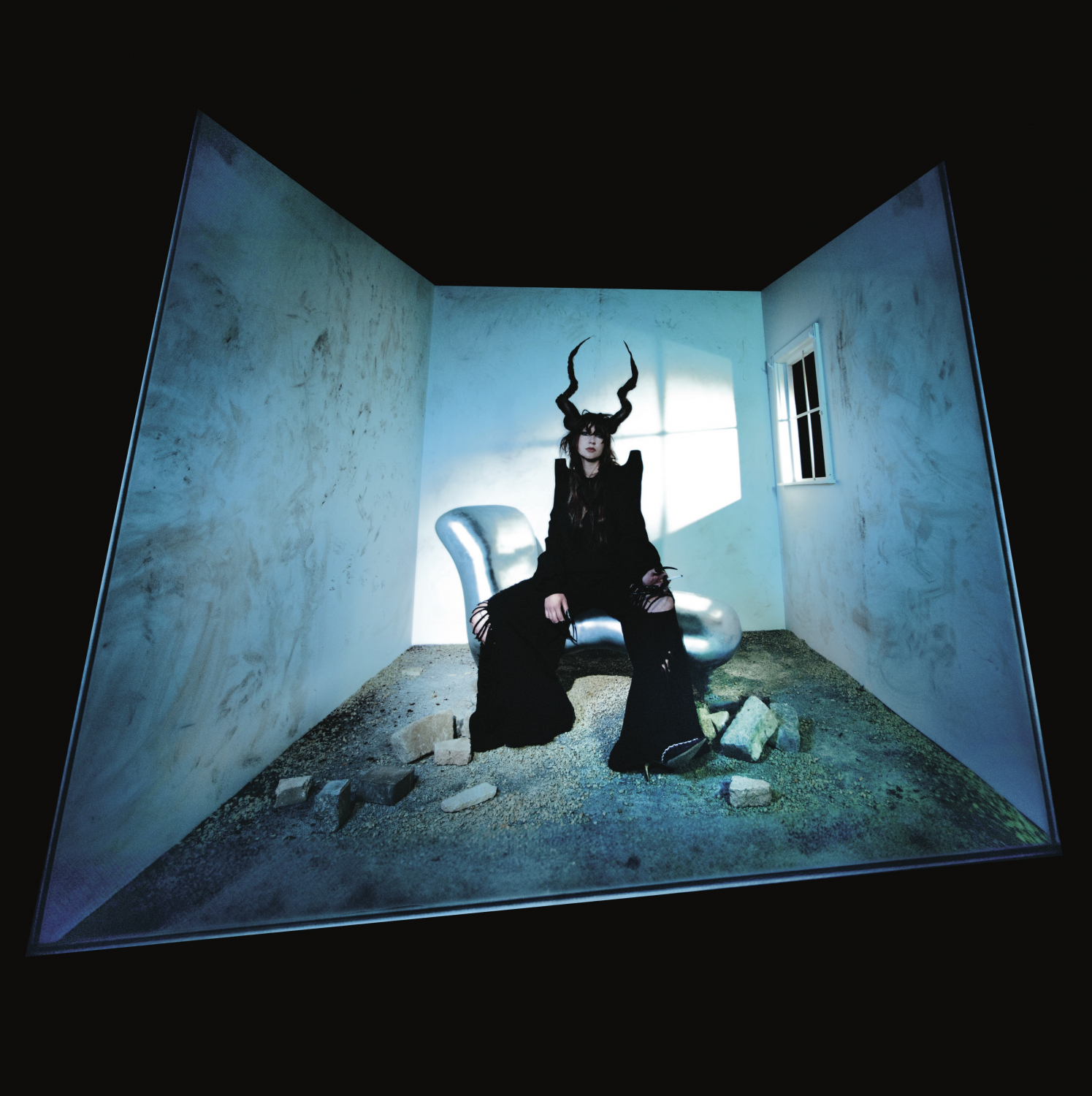
Circuit Des Yeux – Halo On The Inside
[Matador]
As Circuit des Yeux, Haley Fohr is in a constant state of metamorphosis, exploring transient passages from one reality to another. We’re surrounded by imploding stars one moment and then feel the crushing pressure of countless atmospheres deep under the surface of an unnamed ocean the next.
Halo on the Inside continues to find profound catharsis in themes of isolation and emotional discovery, finding and encouraging a symphony within her body which speaks to the presence and effects of various internal and external stimuli. Songs like “Megaloner” and “Canopy of Eden” find her imagining a midnight recording session featuring Tears for Fears and Ministry while developing a limitless palette of sonic iterations that provides a multi-genre foundation from which to build these industrial pop hurricanes. Her voice has always been a beast unto itself, possessing an operatic reach that coaxes the most from these darkly lit compositions. Fohr approaches her work as if it were some hulking, fluid organism, always shifting in its perspective, and we watch as it slowly tears apart the surrounding landscape. – Joshua Pickard
25.
Swans – Birthing
[Young God]
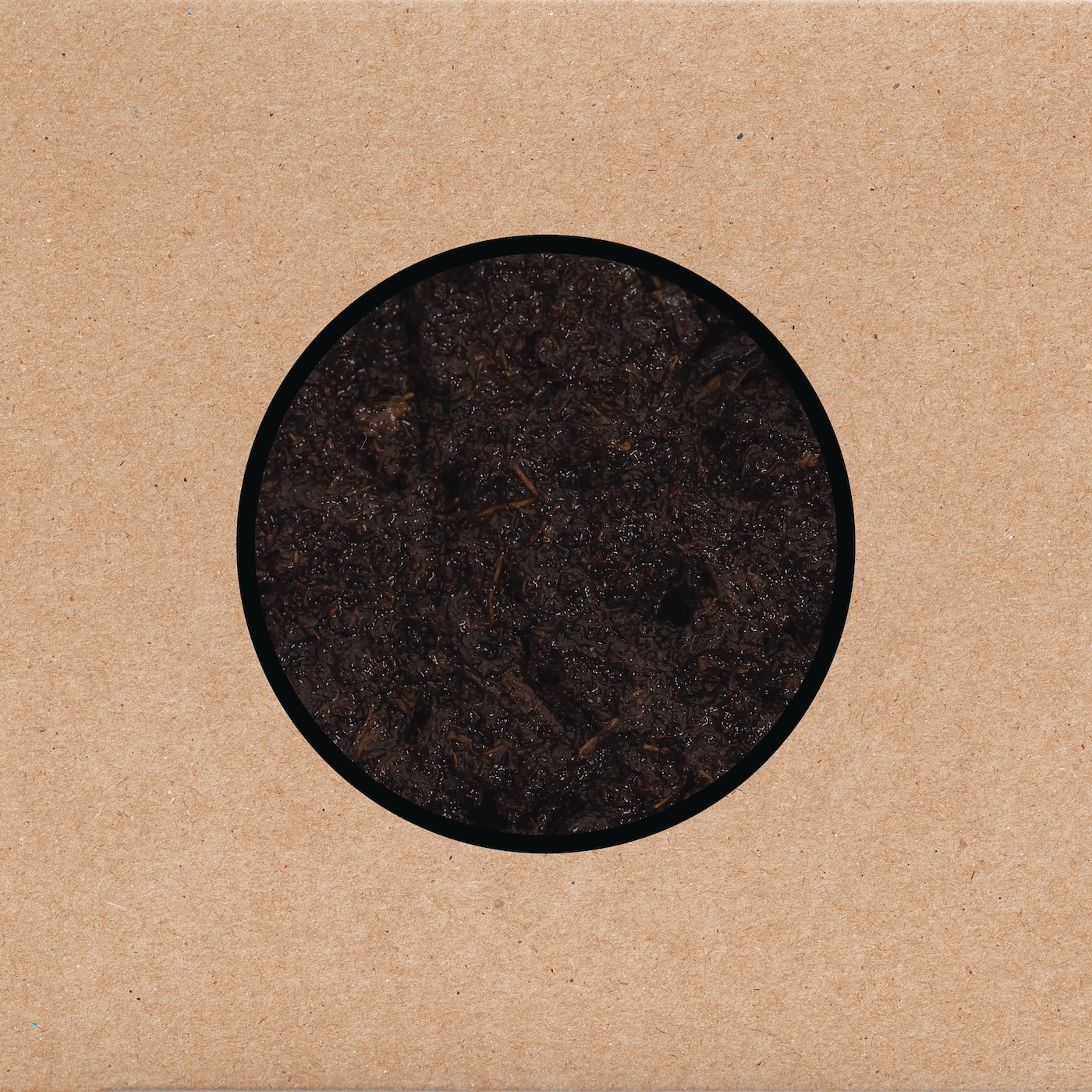
What could possibly follow The Beggar, Michael Gira’s meditation on mortality that worked both as autobiography and career summation? Well, it would turn out to be Swans‘ heaviest album since To Be Kind. Bringing back first-generational guitarist Norman Westberg, inviting female background vocalists that accompany every track and delivering a song centring on Donald Trump, Roy Cohn and Richard Nixon having a threesome. Over the coarse of two hours, Birthing manages to be both cosmic and comical, physically exhausting and deeply relaxing – euphoric, even.
Even if the cover depicts dirt (and garlic seeds, as reddit sleuths were able to figure out), Birthing presents some of Swans’ most optimistic and solar energy yet. Of course there are some rather sinister and evil moments (“The Merge” is frighteningly intense), but there’s also small incidental moments, such as the dog bark on “I Am a Tower”, and a general lightness that Gira’s work usually omitted. At 71, as Swans slowly drift away from their “big sound era”, Gira – dare I say it? – seems to finally have found peace. – John Wohlmacher
24.
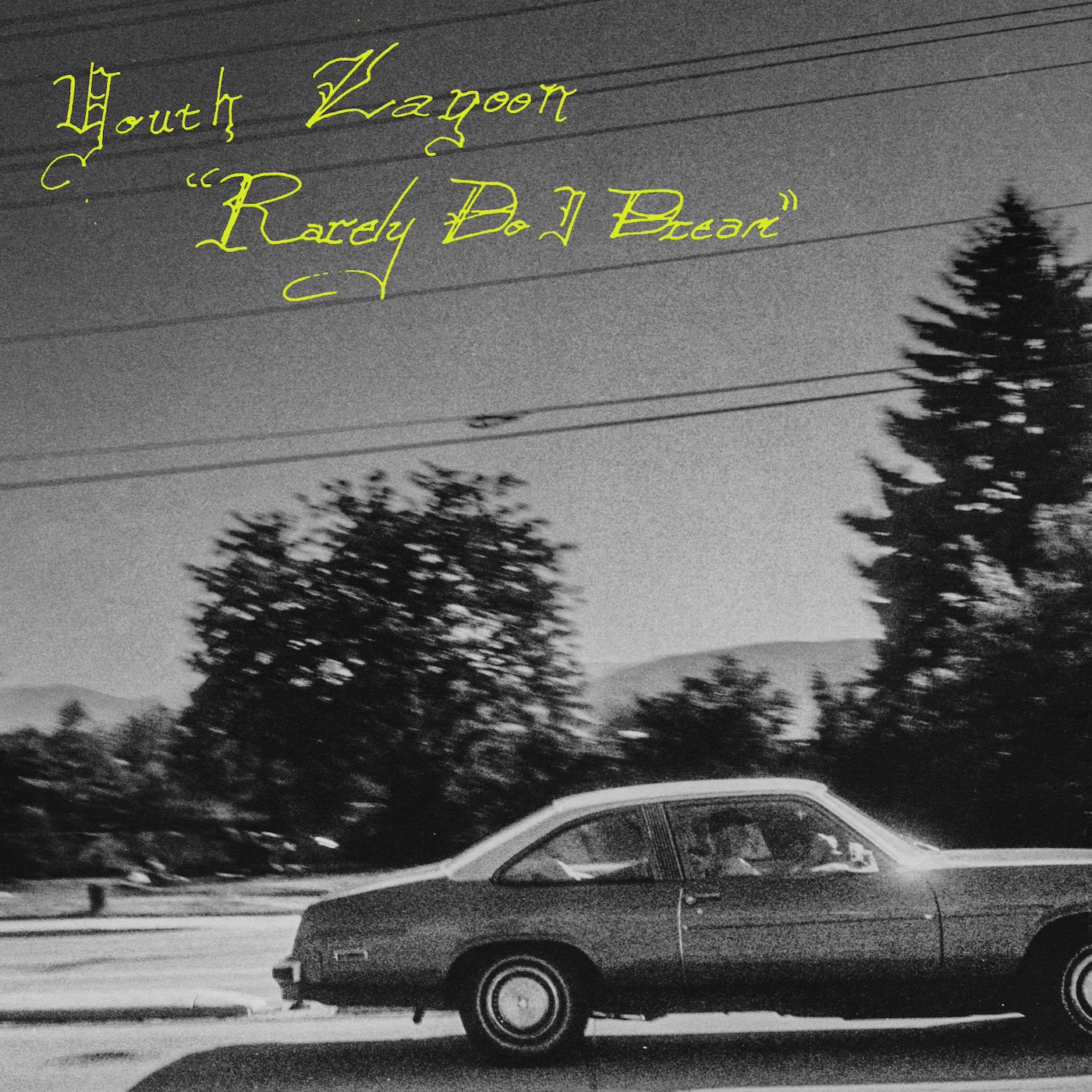
Youth Lagoon – Rarely Do I Dream
[Fat Possum]
Trevor Powers revived the Youth Lagoon name a couple years ago for a grand return with Heaven is a Junkyard, and gave us his best album yet. While the followup, Rarely Do I Dream, never quite triumphs over its predecessor, it makes a damn good effort. Powers picks up a small trick from Junkyard — the use of samples, seemingly recorded from everyday life and the people within it — and dives deeper into that. Here, those samples form the bedrock of much of the album, so much so that their use directly plays into some of the themes of the record, including family, love, memory, the passage of time. When he’s not entrancing us with this effect, Powers is still giving us heartfelt electro-acoustic balladry, like an unknown Americana singer in a saloon from the future. Through vivid lyricism and soundplay, Powers reminds us of just how sweet it is to have him and his peculiar vision back in the musical lexicon. – Jeremy J. Fisette
23.
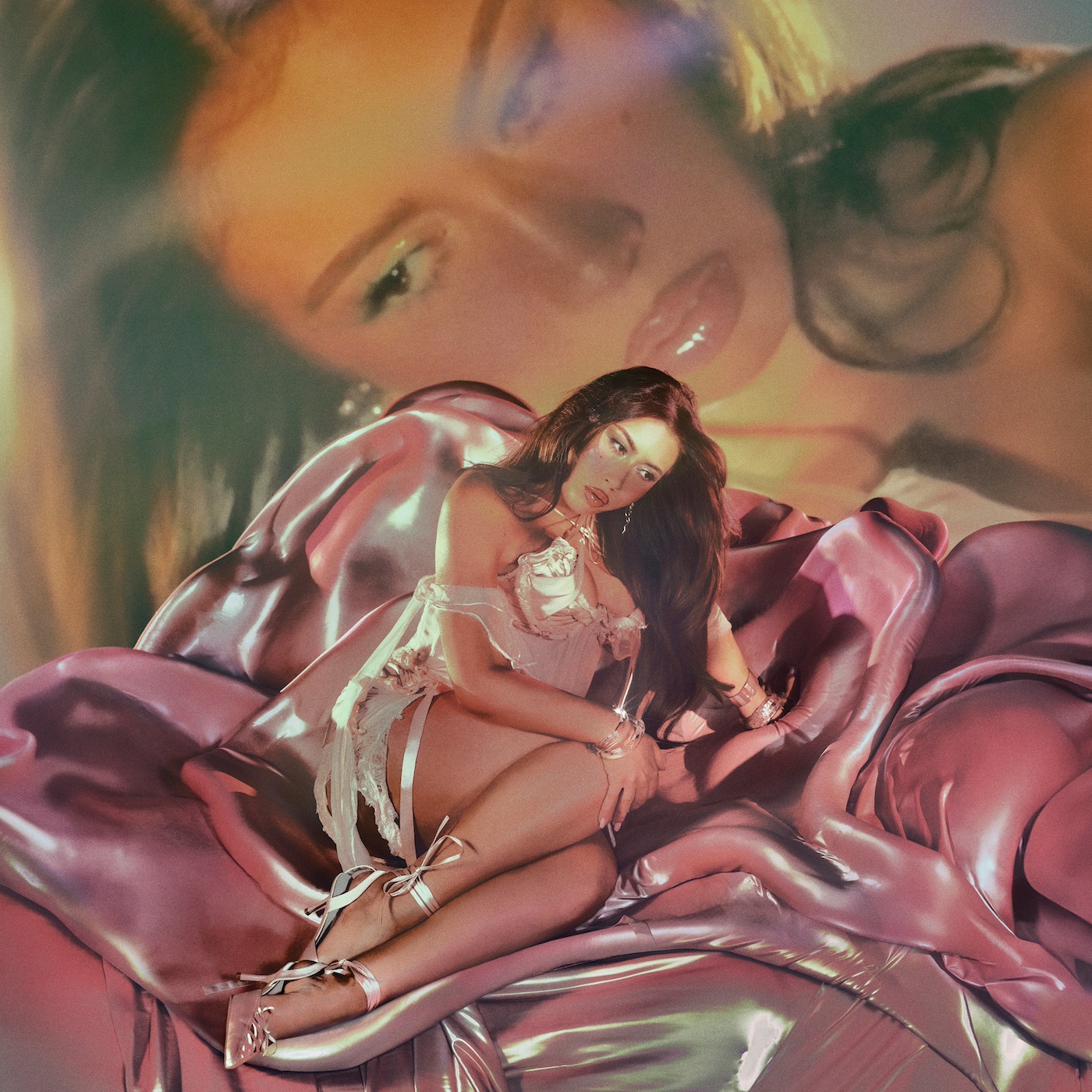
Kali Uchis – Sincerely,
[Capitol]
Kali Uchis’ Sincerely, is a rare thing in a year obsessed with impact: a record that finds its power in restraint. She strips her sound to soft-focus strings, muted percussion, and a voice that never forces its way to the front but holds you by sheer intimacy. The album reads like a private letter made public, grief, desire, and new motherhood circling each other in quiet, almost luminescent tones. It’s a world built from breath rather than bravado.
If the palette can feel deliberately monochromatic, that’s part of its gravity. Uchis leans into stillness, refusing the dramatic gear shifts expected of a pop epoch addicted to spectacle. Instead, she offers emotional clarity, a steadiness that feels almost radical. Sincerely, doesn’t try to be a definitive statement; it simply tells the truth with unguarded calm. And in a year of noise, that clarity resonates louder than any crescendo. – Mary Chiney
22.
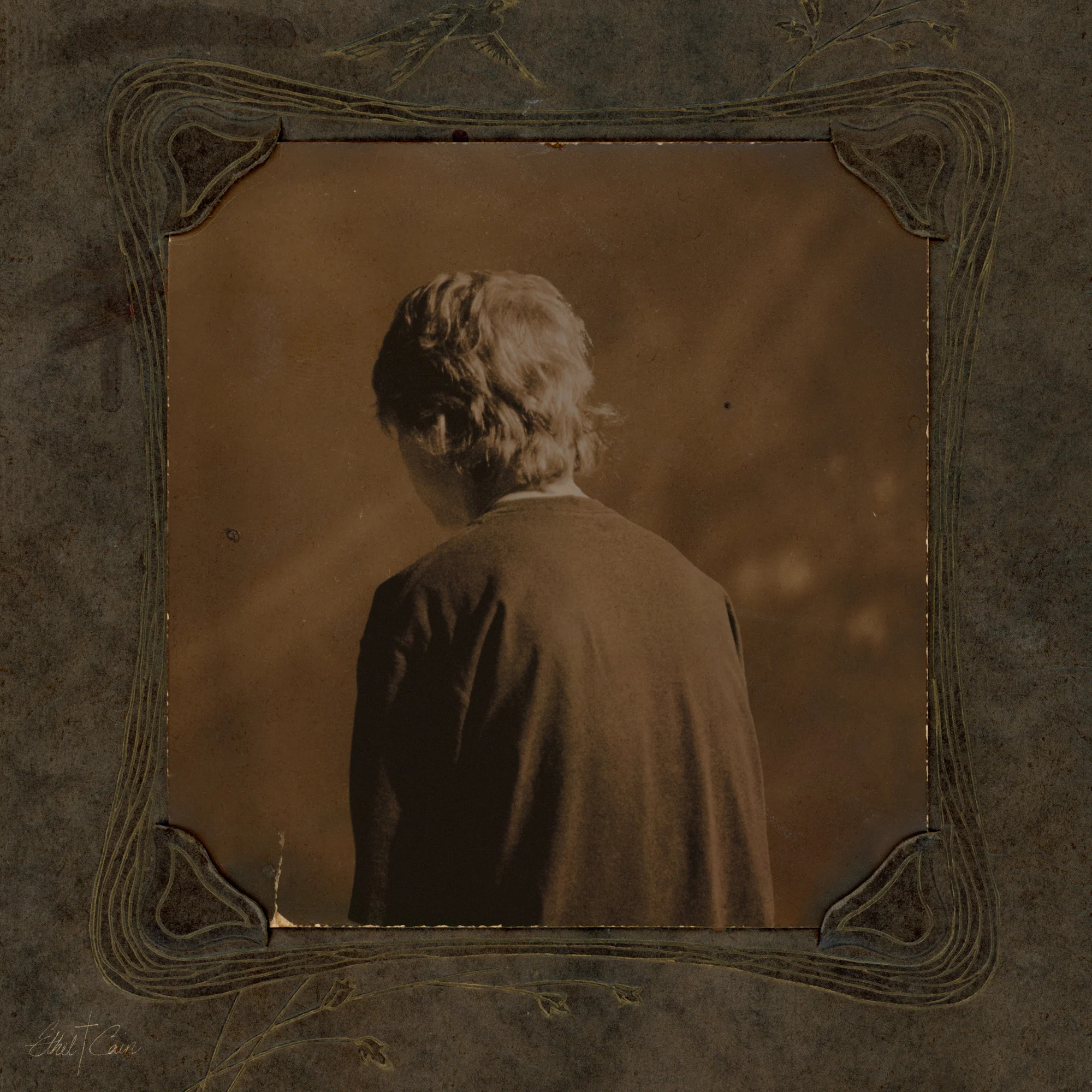
Ethel Cain – Willoughby Tucker, I Will Always Love You
[Daughters of Cain]
Ethel Cain followed up her massively popular debut LP Preacher’s Daughter with a continuation of sorts. Its true follow-up (with Perverts being a standalone work), Willoughby Tucker, I’ll Always Love You was reported to be, basically, a set of b-sides to help fill in some of the lore around Ethel Cain and her characters and worldbuilding (of which there is much). But Willoughby actually turned out to be even more impressive — both in its breadth and its compositions — than its predecessor, eclipsing it at almost every turn.
The lore is deep, but understanding all of it is not required to enjoy the record, what with its beautiful songcraft, emotive melodies, and evocative production. Whether it’s the slow folk of “Nettles”, the climactic and landscape-sized “Waco, TX”, or the Lynchian interludes, Ethel Cain is in such command of her craft here it’s actually a little unthinkable where she’ll go from here. – Jeremy J. Fisette
21.
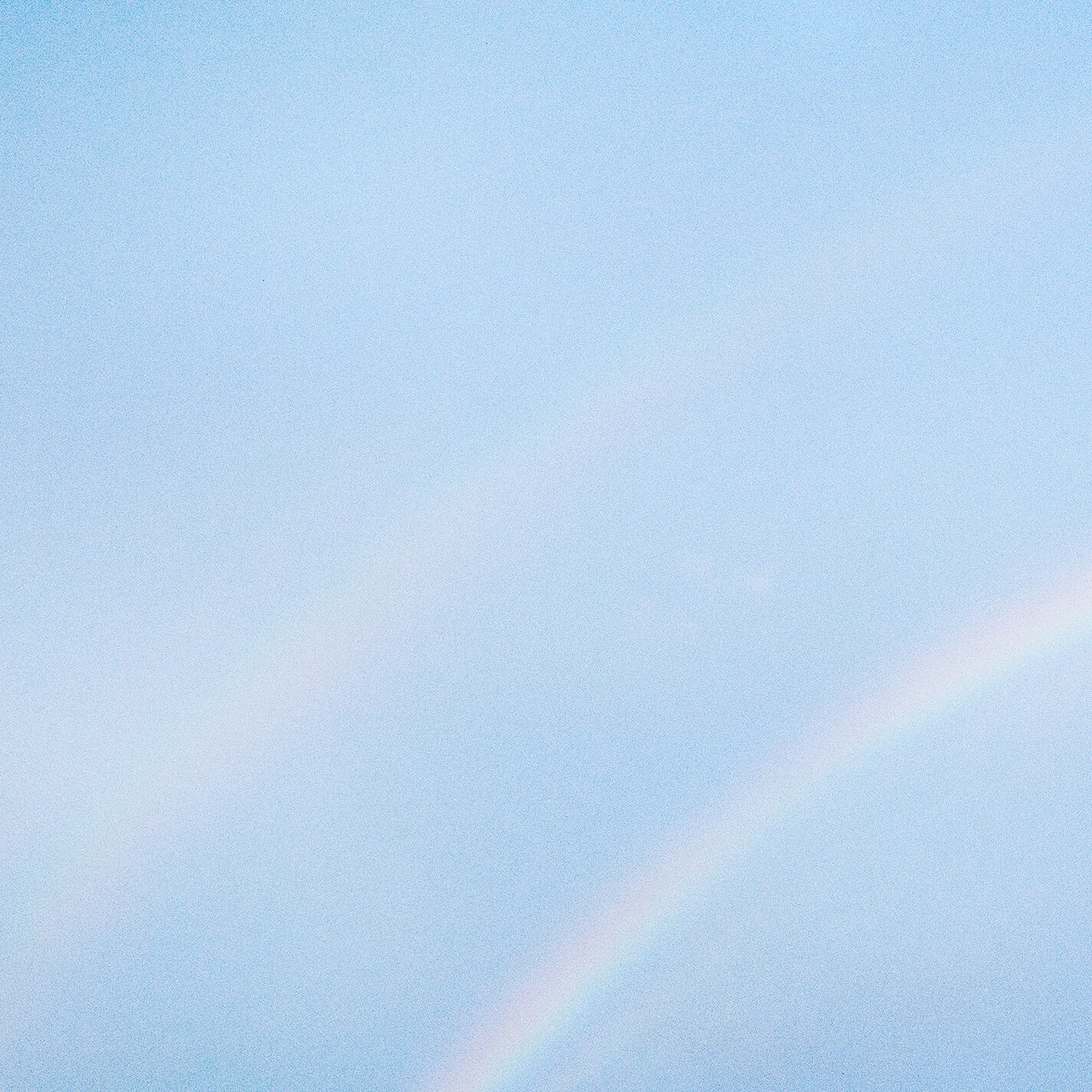
Turnstile – NEVER ENOUGH
[Roadrunner]
Turnstile infuse their hardcore leanings with tried-and-true yet still-enticing pop approaches. “Seein’ Stars” is built around a guitar soaked in Andy Summers-esque chorus and flanger effects. ”Dreaming” is a drum-and-guitar foray mainstreamed by sax and trumpet parts, 90s Roadrunner Records meets golden-era Muscle Shoals. “Look Out for Me” features an artsy cum heavy-but-not-too-heavy guitar part, singer Brandon Yates revealing his inner banshee while employing notable restraint. With Never Enough, the Maryland-based quintet conquer the main stage, their hooky sounds and hookier tunes enrolling everyone from frat guys to metalheads to billionaires to teens singing into their hairbrushes on TikTok. – John Amen
20.
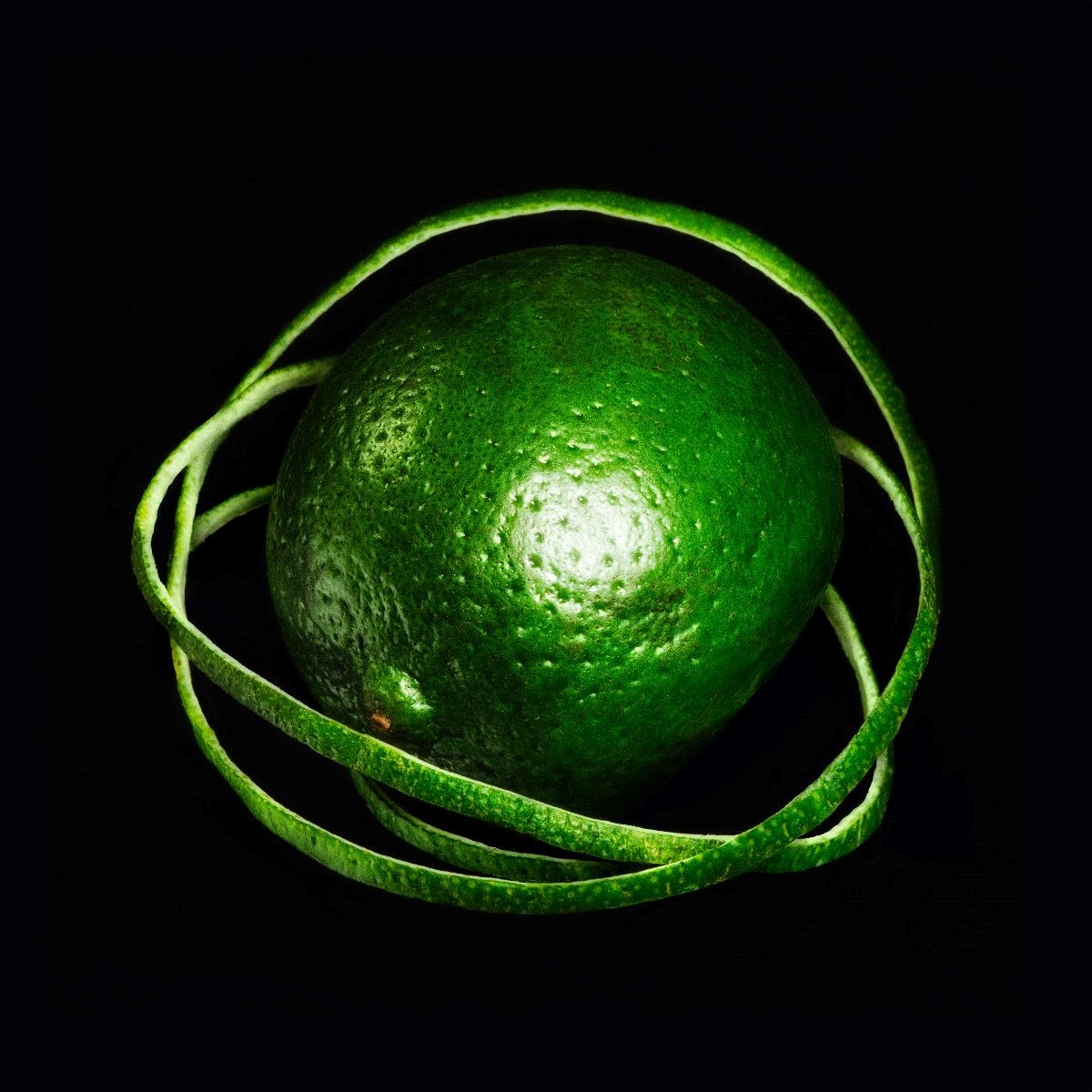
Big Thief – Double Infinity
[4AD]
Coming on the heels of 2022’s sprawling masterpiece Dragon New Warm Mountain I Believe in You, Big Thief’s latest offering takes an almost opposite approach. Whereas the former was a long journey filled with winding roads and unexpected detours, Double Infinity is content to stick closer to home. Working as a three-piece after the departure of longtime bassist Max Oleartchik, Double Infinity was recorded over a short three-week period with a group of close collaborators. Guided by Adrianne Lenker’s incomparable songwriting abilities, the band sounds more relaxed than ever and leans into that carefree sensibility. Double Infinity may be just another dot on the map for Big Thief, but it’s one well worth visiting. – Grady Penna
19.
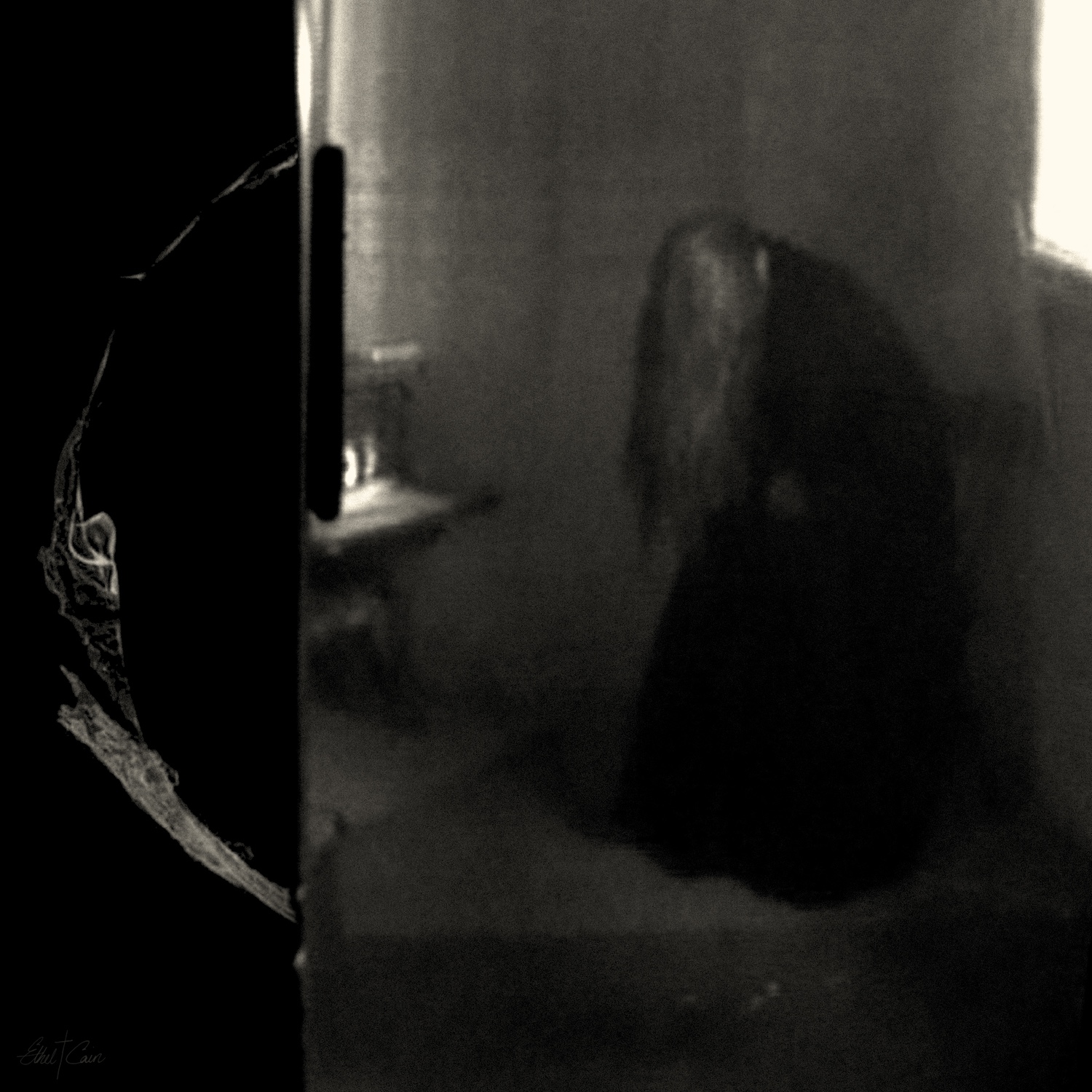
Ethel Cain – Perverts
[Daughters of Cain]
Starting 2025 off in an unforgettable way, Ethel Cain returned after years of building anticipation with a record that rejected all those expectations. Perverts arrived in early January and cast a caliginous shadow onto the world. Patient, brooding, haunting; it’s a 90 minute dare to look Hayden Anhedönia directly in the eyes as a test of faith and your ability to stomach the impugnable. It stretches out its long, creaky fingers and lures you into the droning, deep, depressed darkness. Take up the invitation and you’ll find yourself enveloped, shadows coming to life slowly as Anhedönia comes and goes, appearing sporadically across the glumness like a spectral bride. Follow her into the darkness and the rewards will show themselves; even after 12 months, Perverts still trickles out new details, new feelings, and it will continue doing so for a long time to come. – Ray Finlayson
18.
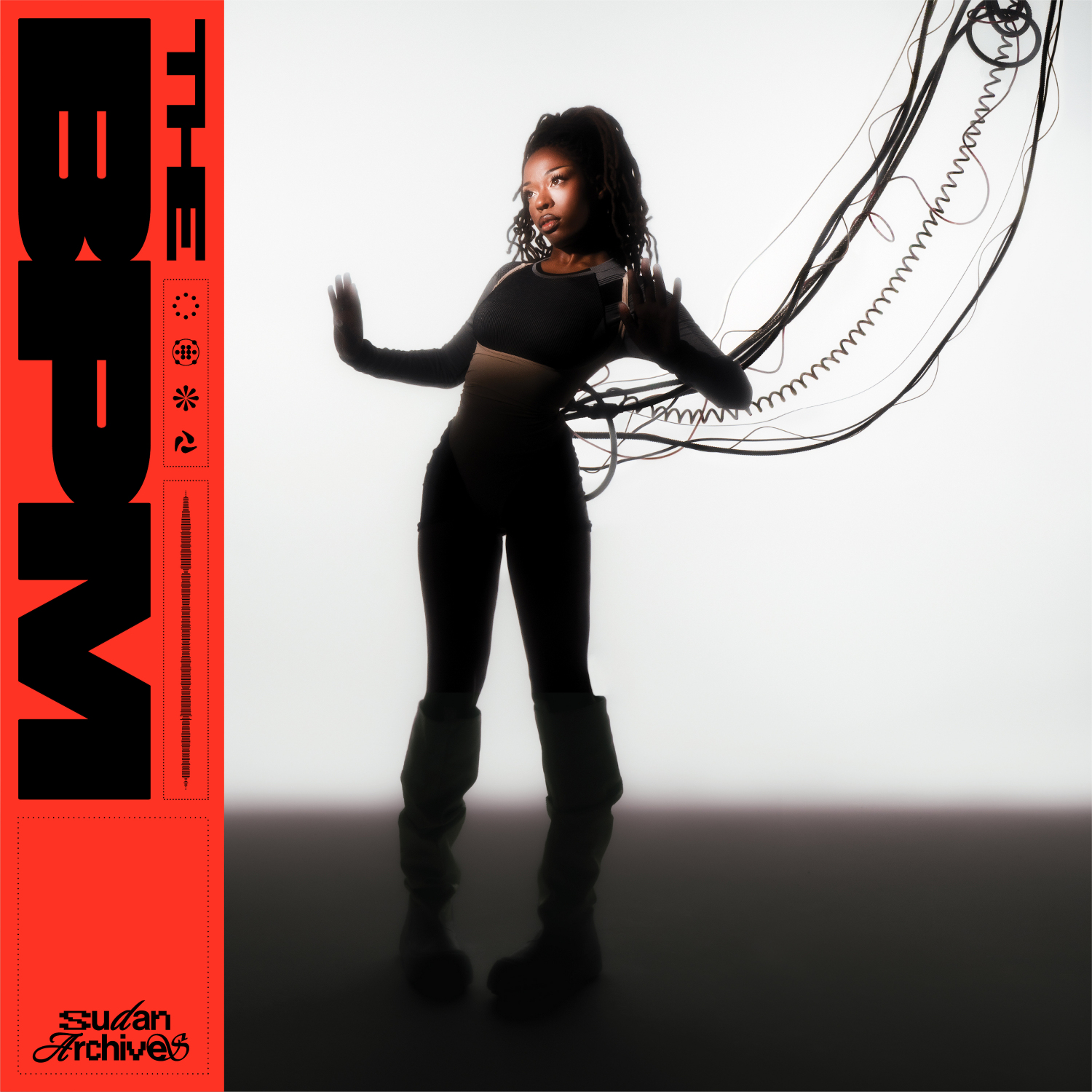
Sudan Archives – The BPM
[Stones Throw]
On Natural Brown Prom Queen, the previous Sudan Archives album, Brittany Parks proved from every conceivable angle that she was a master of modern RnB and would be among the vanguard taking it into the future. The BPM, then, zooms us over that horizon, to a world where the genre’s soulful core is blended with Detroit techno, hyperpop, house and anything else that Parks and her technologically-driven style can come up with. There is a lightly touched on persona of “Gadget Girl” behind the songs here, but it’s more of an acknowledgement of the battery of digital tools used in the creation of this mix than an overarching concept. But, if you’ve had the chance to see Sudan Archives live, you will have seen a sort of embodiment of this character, with Parks’ signature violin literally strapped to her shoulder so she can quickly switch between playing it, singing, dancing and adding countless other layers.
The influence of more dance-aligned styles has sped up Sudan Archives’ approach, but none of Parks’ character, wit or pathos is sacrificed in the process. “MY TYPE” has her truly rapping for the first time about attractions to the women around her (perhaps sexual, perhaps not), the vocal sample imbued “A BUG’S LIFE” tells the tale of an independent woman constantly on the run, “SHE’S GOT PAIN” is a digital-soul-barnyard-hoedown mashup, she questions the truth of romance in the digital age on “COMPUTER LOVE” and simply struts through elephantine future funk on “NOIRE” – to pick out just a handful of highlights.
Given all that’s gone into it – and particularly the mind behind it – it’s perhaps unsurprising that The BPM scrolls past at a dizzying speed not unlike the chirons of green text that peel down computer screens in The Matrix. But if you strap yourself down and key yourself in, your mind will be expanded. – Rob Hakimian
17.
YHWH Nailgun – 45 Pounds
[AD 93]
YHWH Nailgun are obsessed with the concept of possibility as it relates to music, developing a contagious chaos as they explore the darker corners of what is permissible in music. 45 Pounds is their ecstatic debut, and at just 21 minutes, it feels like a surgically honed vision of their particular experimental rock aesthetic. It’s a true cacophony of inspiration and rebellion, both in terms of outrunning genre limitations and our own (usually) misguided expectations. We want something different. We crave it. But do we actually want something to redefine our notion of music, or do we just want something to possess superficial oddities over what is basically a sound that conforms to our standard listening pattern – whatever that may be?
Rototoms bound from one second to the next as guitars slice through parallel realities and we see the band collect trophies from each moment in their past, musical artifacts that guide their industrial dancefloor calisthenics. YHWH Nailgun walk in and couldn’t give two fucks about what we want and instead offer us something they’ve pulled out of their chest and fingers and heads, a miracle of reinvention that makes us question the nature of what we thought we enjoyed. – Joshua Pickard
16.
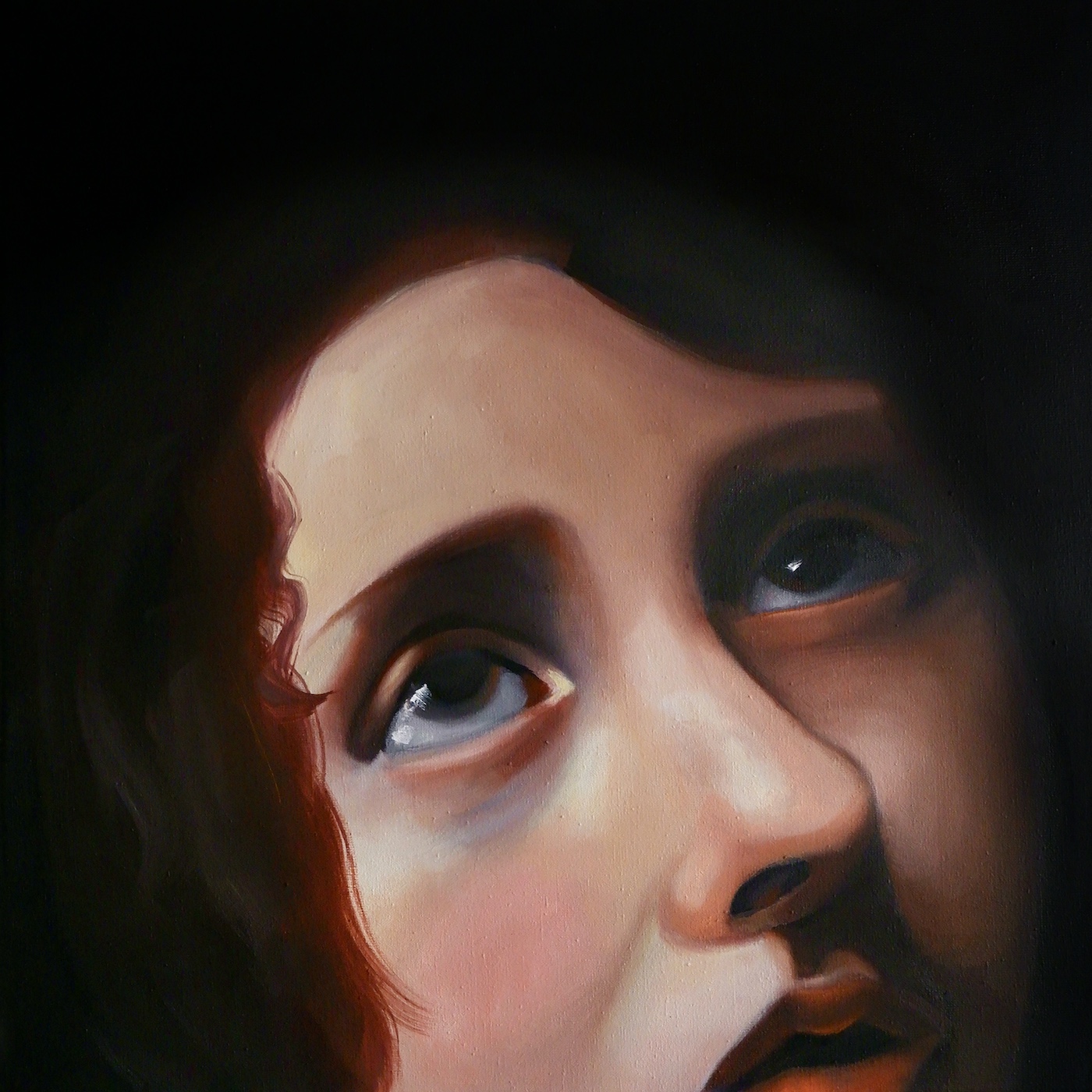
Panda Bear – Sinister Grift
[Domino]
“I’ve had, like, suicide thoughts before, but never to a planned degree like I had this time,” Panda Bear told GQ this year. “I knew how I was going to do it. It got pretty dark.”
In the mid-2000s, Noah Lennox moved to Lisbon, got married, and made the sunny, kaleidoscopic masterpiece Person Pitch. Two decades later, Sinister Grift represents the dissolution of said marriage, and a painful personal struggle to stay afloat. All this is translated into music the way Lennox does best: with dub-influenced rhythms, reverby guitars and his beautiful voice. On first listen, Sinister Grift might sound upbeat, even fun. “Venom’s In” has the veneer of a mellow jam, but the lyrics are all desperation: “Soon it’s all over / can’t get much lower… There’s a bullet aimed at you and there’s nothin’ you can do”. More than ever before, Lennox leaves it all out there, putting his soul to wax in a collection of ten great songs. Sinister Grift reaches a meditative quiet in the back-to-back of “Left in the Cold” and “Elegy for Noah Lou”, before closer “Defense” (with Cindy Lee) appears as a bright beacon of hope. Amidst all the turmoil, Panda Bear put in the work to power through and find some peace on the other side. – Ethan Reis
15.
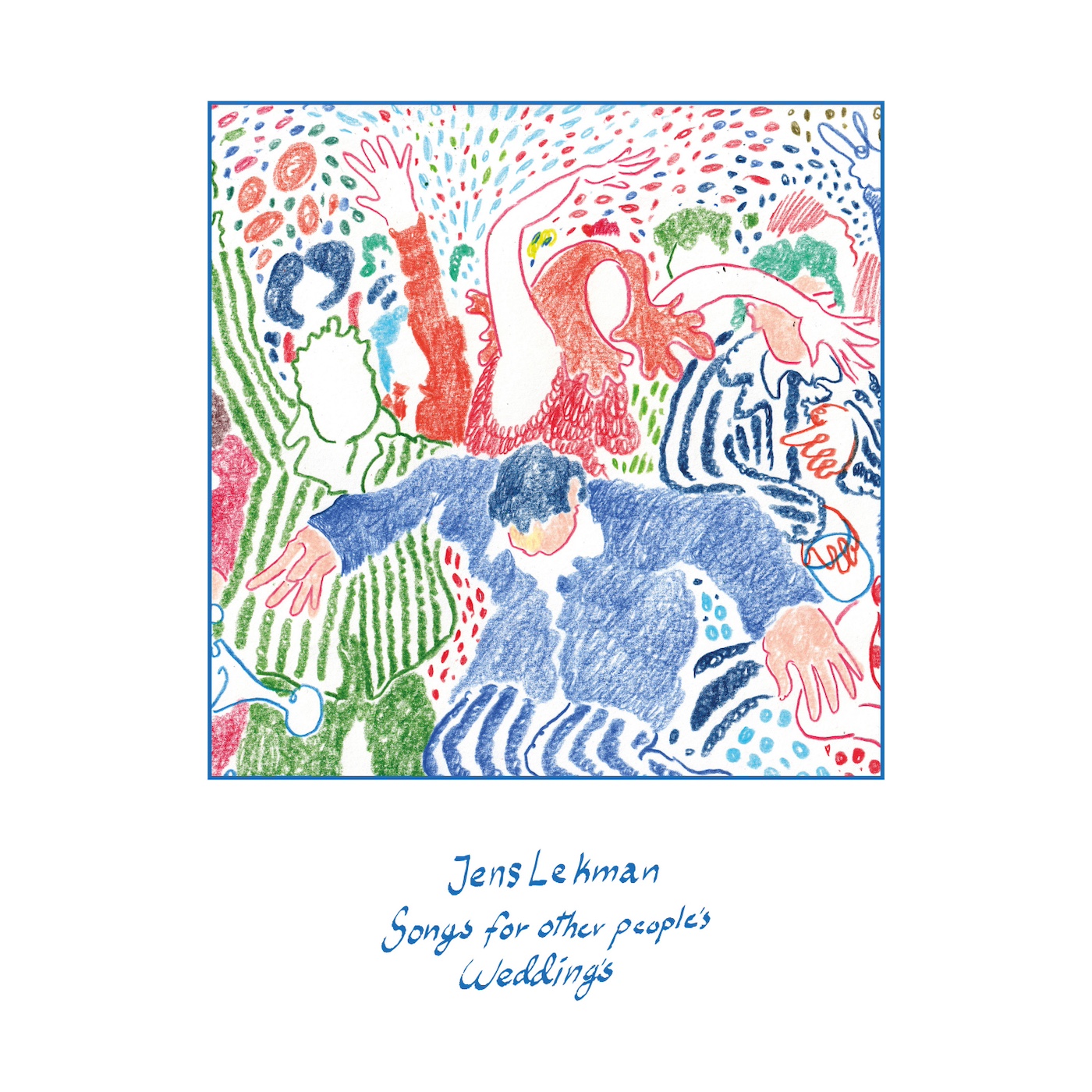
Jens Lekman – Songs For Other People’s Weddings
[Secretly Canadian]
Jens Lekman makes music that is so earnest it often borders on corny, so it’s no surprise to learn the Swedish singer-songwriter has spent years moonlighting as a wedding singer. After all, what’s more corny than a wedding? Ironically, Songs for Other People’s Weddings, Lekman’s seventh studio album, plays out more like a fictional autobiography. Here, Lekman presents another set of endearing, character-driven vignettes layered over an eclectic mix of charming instrumentals. Whether he’s comparing wedding guests to Patty and Selma from The Simpsons or calling someone from “the last payphone in New York”, Lekman’s seemingly endless supply of humorous observations and clever wordplay culminates in yet another intoxicating record. – Grady Penna

14.
Ichiko Aoba – Luminescent Creatures
[hermine]
I’ve only been frozen in time at a few points in my life: of course, the usual family events but then a moment in a cathedral while watching Ichiko Aoba perform the title track to Hayao Miyazaki’s Ponyo. The slow-dawning realization of what I was hearing, her voice as beautiful and crystalline as the stained-glass windows surrounding me, music drifting upward and around without seeming to notice any of us. It was magical, and thankfully, Aoba is able to replicate that feeling, in part, on her albums.
Her latest, Luminescent Creatures, continues her journey through liminal spaces attuned to our collective subconscious. Inspired by aqueous landscapes, these 11 tracks present a tidal display of minimalist orchestration and oceanic grandeur. Waves of piano notes, flutes, and ambient atmospheres wash over you, each building upon its predecessor, an unending cycle of movement that lays claim to the most intimate parts of our hearts. Its beauty is immeasurable, its ability to heal infinite – and it’s a privilege to become lost in these moments which she creates. – Joshua Pickard
13.
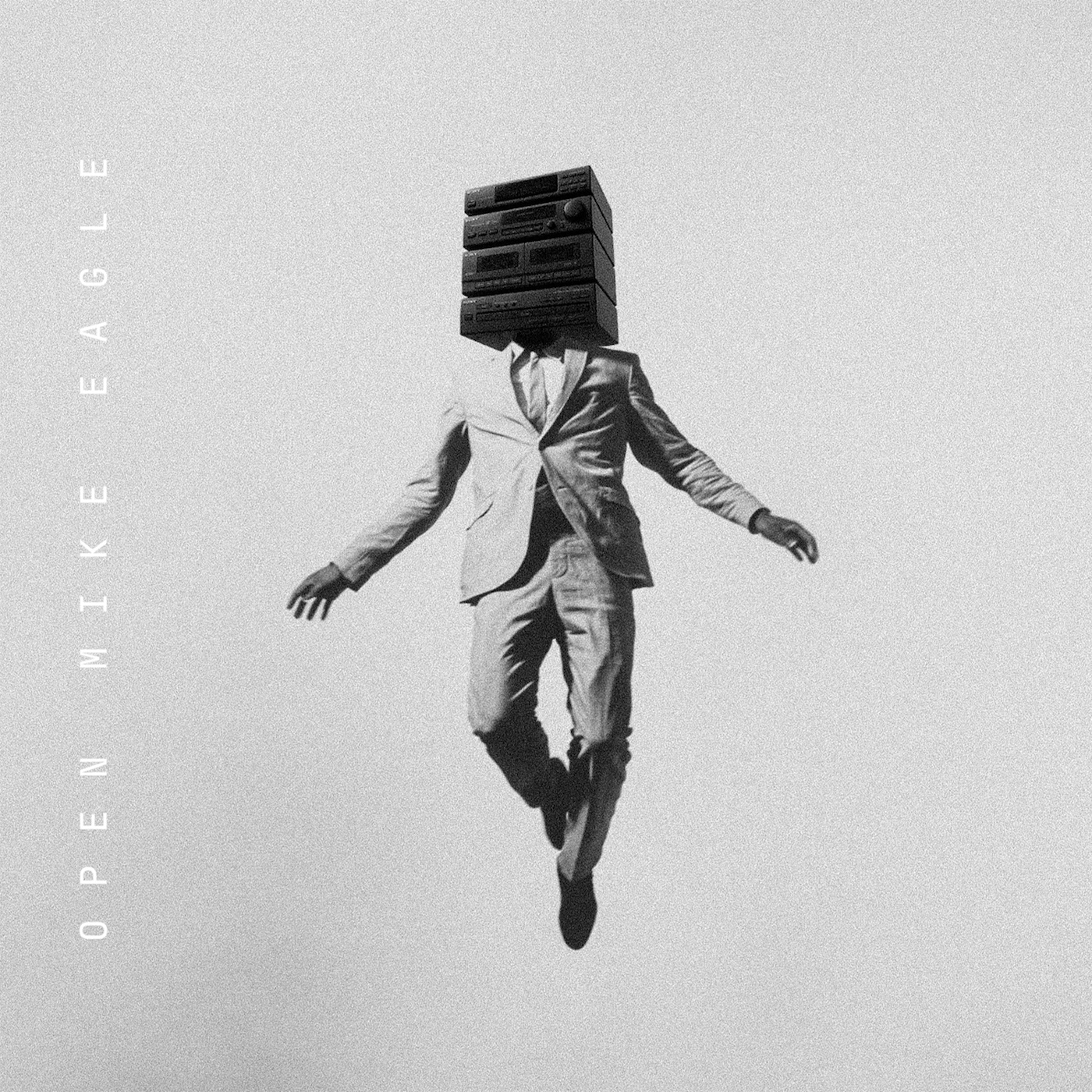
Open Mike Eagle – Neighborhood Gods Unlimited
[auto reverse]
Mike Eagle is a great rapper, but he might be an even better songwriter. Conceived as a series of hypothetical TV pilots, Neighboorhood Gods Unlimited finds OME navigating the moral compasses of sneaky shoe salesmen (“me and aquil stealing stuff from work”), the small tragedy of having your phone run over by a car (“ok but I’m the phone screen”), and a Daily Planet employee’s annoyance at his superhuman coworker (“my co-worker clark kent’s secret black box”). In the end, all the plots converge in the mind of the great narrator: he’s absorbed the voices of the “introspective writer” and “street-adjacent technician” only to find himself overwhelmed (“I see every solitary voice / I don’t know how to turn off all the noise”). The only option, it would seem, is to turn the tape over and play it again. – Ethan Reis
12.
caroline – caroline 2
[Rough Trade]
Find me a more beautiful record in 2025 than caroline‘s sophomore LP — I’ll wait. caroline 2 is powered by a patience that feels almost revolutionary. Each piece unfolds slowly, as if the band is letting the music decide when to reveal its inner workings. That pace gives every gesture weight: a swell becomes a climax, a pause becomes a rapturous reckoning. The songs often feel like endings, yet the album keeps finding new ways to begin again, holding tension without forcing resolution. It’s a careful balance between quiet devastation and rebuilding, and few records this year make that balance feel so deliberate — or so moving. – Kyle Kohner

11.
Model/Actriz – Pirouette
[True Panther]
Who needs a blurb for Model/Actriz‘s second full length LP when they’ve already described it best in the opening bars of “Cinderella”?
The follow up to the magnificent Dogsbody is still body music, beating to an insistent pulse, but it’s got a little more heart. The edges of the band’s previously signature abrasive noise have been sanded down just a little, Cole Haden places more emphasis on the singing part of his usual deadpan, homoerotically charged speak-sing delivery, and, while it may still be some way off being accessible enough for the Billboard charts, there is a healthy extra sprinkle of pop that’s been added to the Brooklyn outfit’s collective DNA.
Pirouette is self-consciously a sophomore album, an exploration of a self perceived by thousands of eyes and ears, of what it means to be a diva with an audience, lonely within a crowd. Seeing Model/Actriz live helped bring the album into epiphanic focus: Haden’s multiple costume changes representing his innumerable selves; the erotic charge of relentless bass; shocks of noise like pained arousal; and above all, the sheer vulnerability of that mid-song confession on “Cinderella” or the entirety of the simply majestic “Acid Rain”.
It all made me realise what Pirouette is: astonishing, utterly divine, exhilarating, and preciously sublime. – Andy Johnston
10.
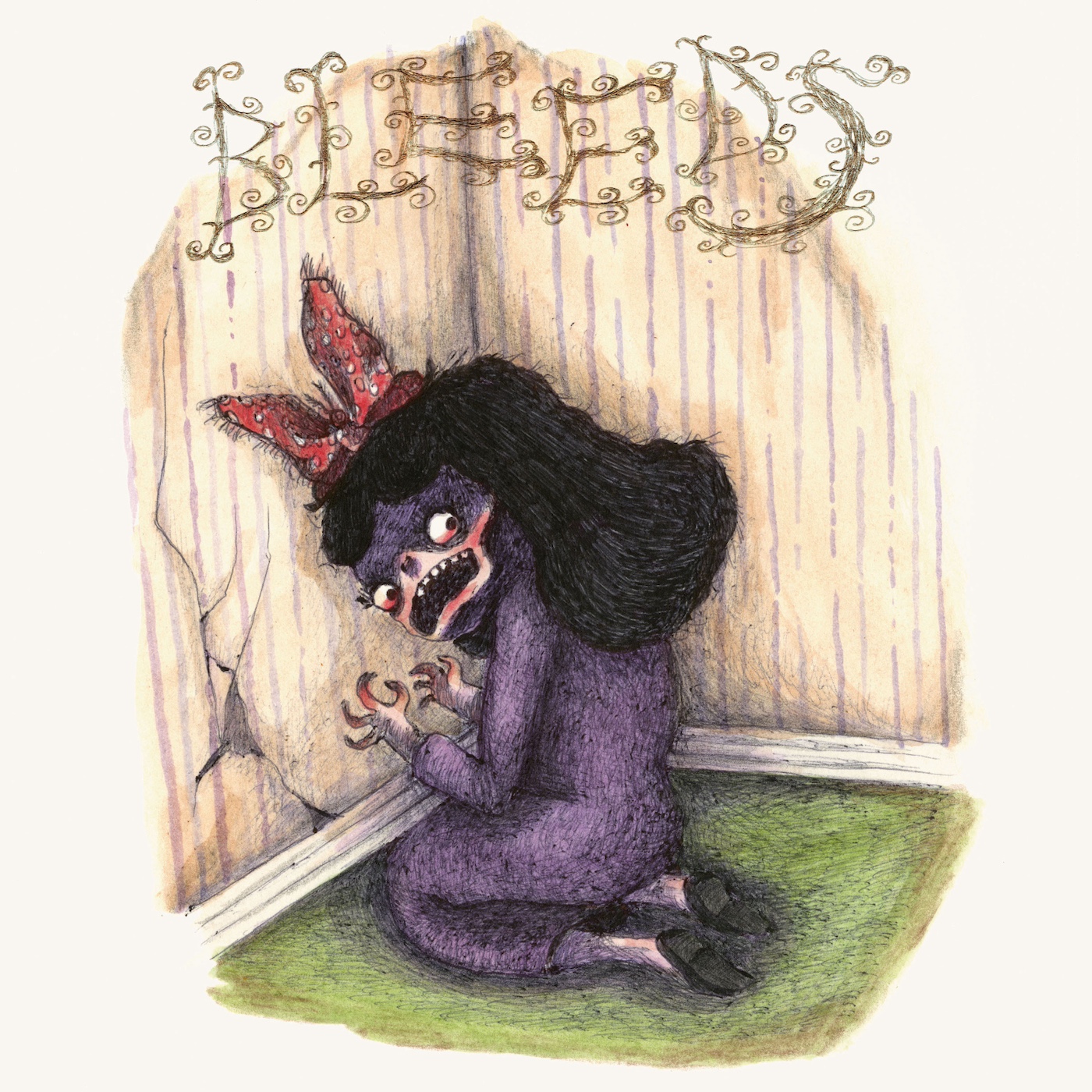
Wednesday – Bleeds
[Dead Oceans]
The hazy feel of Wednesday‘s Bleeds masks the heartache at its core. It’s an album filled with regret, great storytelling of small town concerns like receiving a baseball bat to the teeth, and of personal insight. Recorded only a month after bandmates Karly Hartzman and MJ Lenderman called an end to their six-year romantic relationship, there is an intimacy here that often feels overly intrusive for the listener. There are some real hearts-on-sleeves moments which are never self pitying. It’s a very human record, but also one that doesn’t like to be anything other than respectful.
Hartzman’s languid yet precious vocals feel more assured than on previous Wednesday records, and there’s a stark humour in many of the lyrics. Take “Townies” as an example – a song about people still depressingly stuck in their crumby little towns which is played out with both restrained vitriol and great (dark) comic timing. It sounds patronising to say this is the album where Wednesday come of age, but there’s a confidence here that’s often evaded them ‘til now. A treasure. – Todd Dedman
9.
Nourished By Time – The Passionate Ones
[XL]
The music of Nourished by Time is made from the bones of seclusion, but The Passionate Ones proves solitude can still move. These songs keep their voice low, sharing secrets in the glow of a damp, late-night street, yet the grooves carry a quiet funk that turns reflection into motion. The bass lines lean between ache and invitation, giving the emotion underneath them room to surface. Marcus Brown’s vocals sound provoked by memories never lived, yet somehow still recognizable, as if another era left its afterglow lodged in his voice’s wiring. Eventually, without noticing, you end up carrying part of this afterglow within you as well. – Kyle Kohner
8.
Armand Hammer & The Alchemist – Mercy
[Backwoodz Studioz]
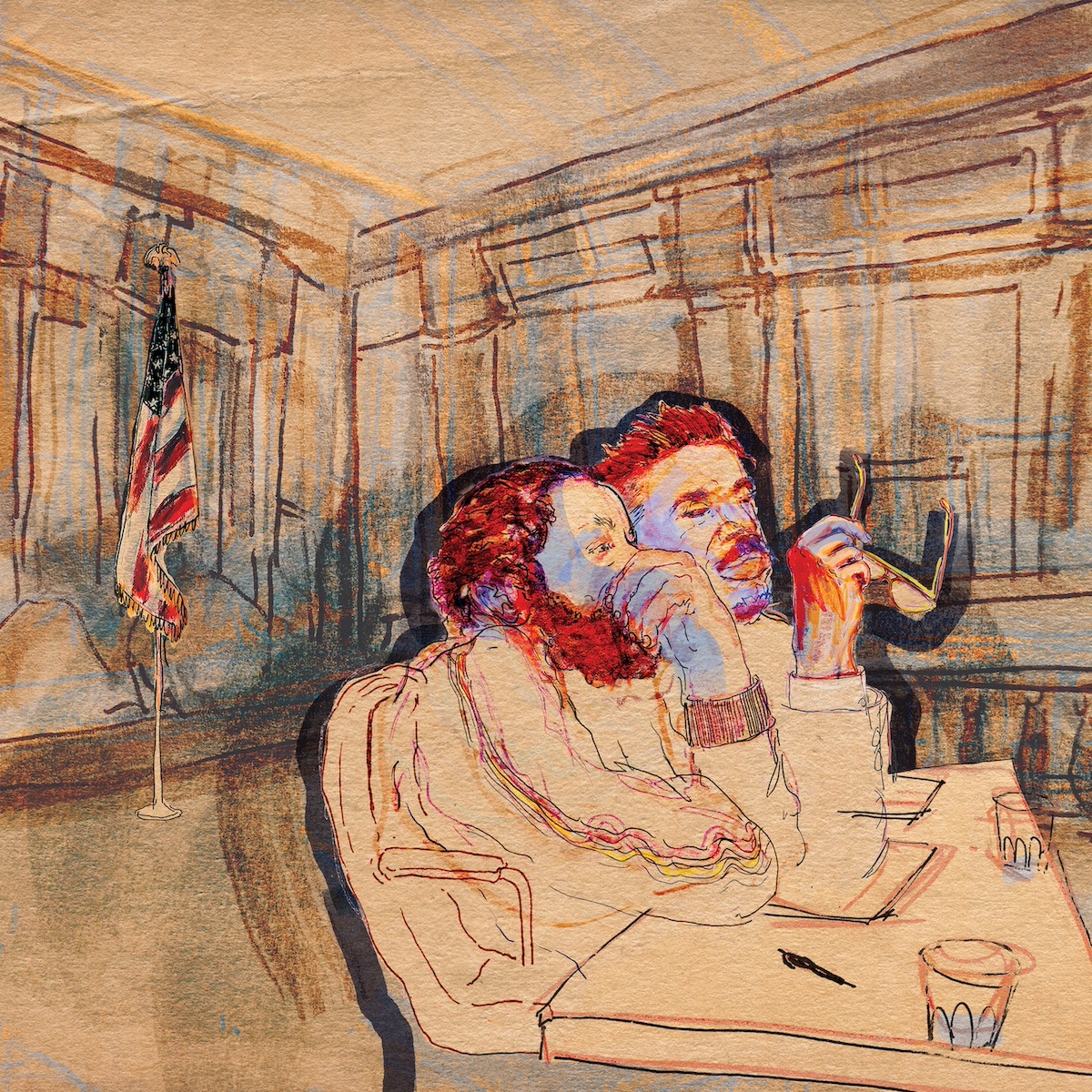
On Armand Hammer‘s Mercy, billy woods and ELUCID are at their most surreal. The Alchemist draws from a range of sonics but tilts toward a refreshing minimalism. “Peshawar” is lyrically free-flowing, unhampered by conventional notions of unity. An airy piano part is paired with tasteful yet heaving beats. With “Scandinavia”, on the other hand, ALC employs draggy beats and noirish atmospherics while woods and ELUCID integrate memories and historical snapshots, conjuring the realities of personal and cultural trauma. “Super Nintendo” is built around a sortie of musings, reflections, and admonitions; ALC’s eerie Casio keyboard part gives the track an otherworldly quality. With Mercy, ALC is consistently understated yet precise. woods and ELUCID forge their most uninhibited raps, verse after verse pointing to the savagery around us and within us. – John Amen
7.
Alex G – Headlights
[RCA]
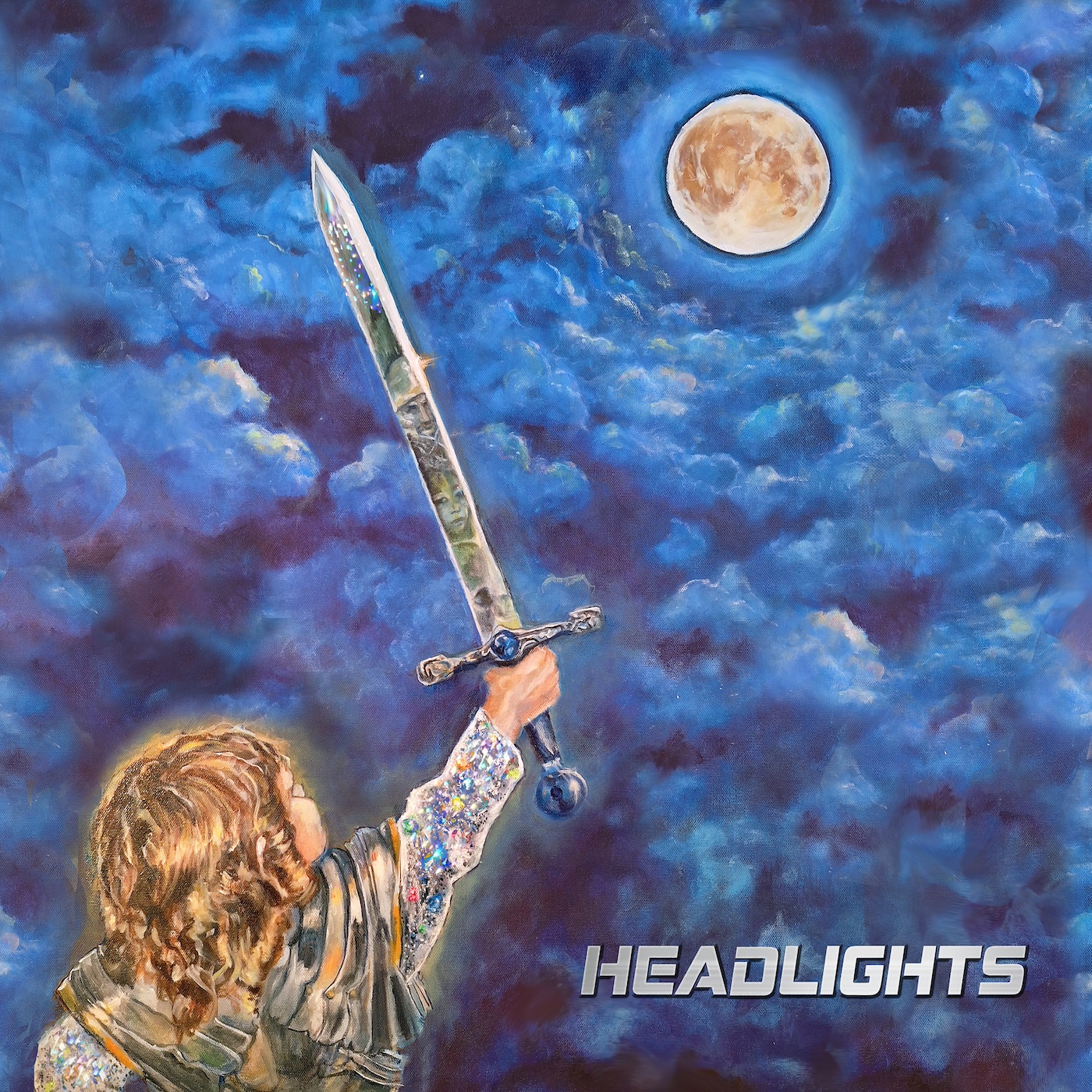
At a wedding in Philadelphia this year, I chatted with a stranger who told me about seeing Alex G’s band the Skin Cells in a basement in the early 2010s. “I felt like I was witnessing the next Beatles,” he said in earnest. And while that iteration of Alex G’s band didn’t last and you won’t hear his songs on the radio, it wouldn’t be a stretch at this point to call the young man from the Philly ‘burbs one of indie rock’s great songwriters. Time and time again, Alex G releases albums brimming with great songs.
Headlights is no exception, though it may be the clearest and most straightforward he’s ever sounded. Save for the Bizarro Sinatra moment of “Far and Wide” (awesome!), Headlights is all homegrown Americana. In a great stride, Alex G ponders hope, familial responsibility, and childhood memories. Recalling the album cover of his breakout release DSU, he sings “I’m gonna throw that football way up in the sky.” It hasn’t come down yet. – Ethan Reis
6.
Agriculture – The Spiritual Sound
[The Flenser]
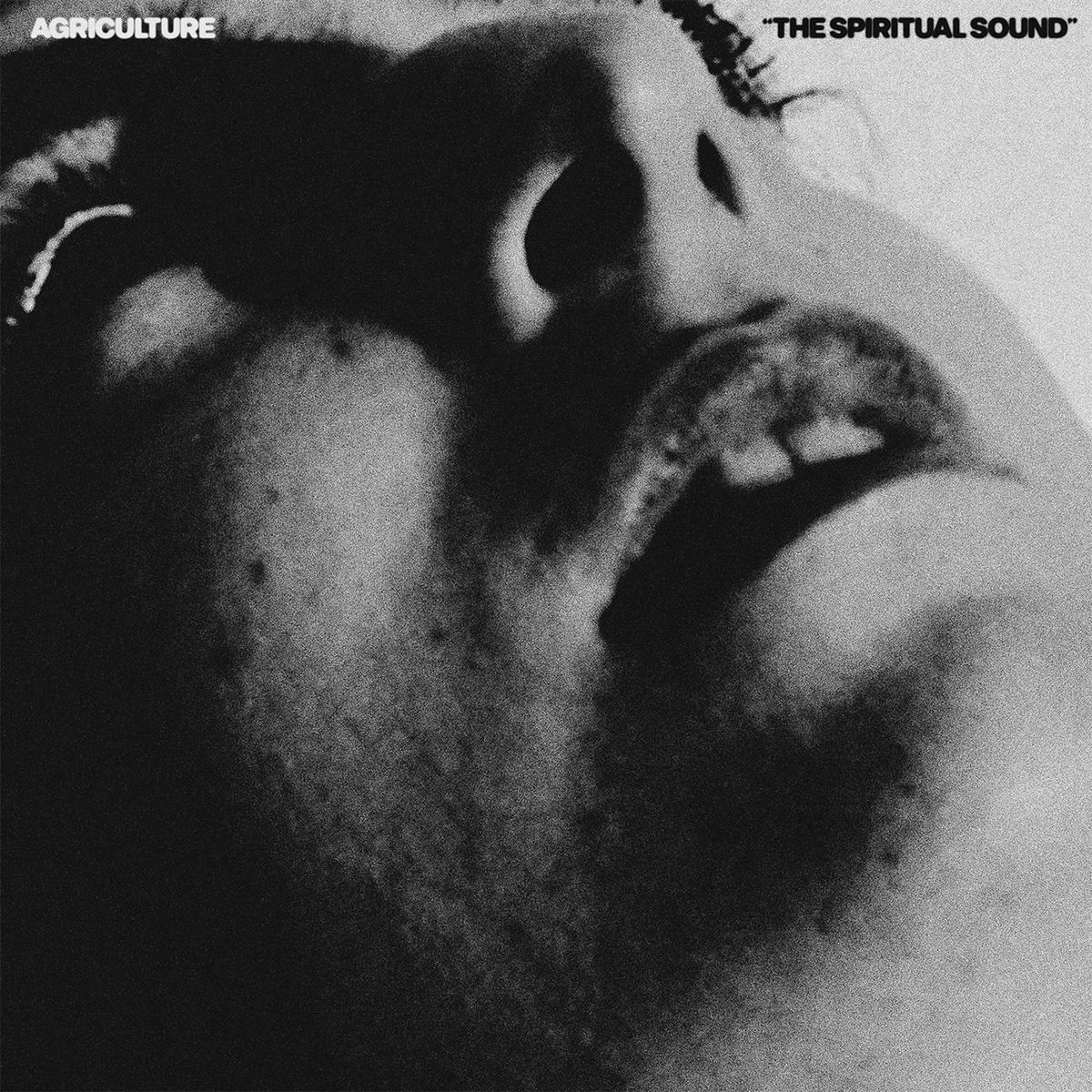
When I first witnessed Agriculture earlier this year, opening for Chat Pile, I was thoroughly unprepared. Their raw, both esoteric and enigmatic blackgaze struck me as extraordinarily varied and emotive. I was curious if they would be able to preserve their stage presence on tape – little did I know that they had already recorded what multiple of our writers now consider the best album of 2025.
The Spiritual Sound is a thrilling, at times hypnotic configuration of dense atmospheres and sensual maximalism. Blending searing black metal with passages of atmospheric folk and somewhat psychedelic indie rock, the album slowly but gradually develops a thrilling magnetism that carries the listener forward. Before long, the album is over, beckoning the listener to return to its most memorable sections.
On top of its compositions, The Spiritual Sound also explores the interesting dynamic between its two lead composers. Dan Meyer’s buddhist perspectives on transcendence and spirituality harmonise with Leah B. Levinson’s often terrifying deliveries, which wrestle with the limitations of corporeal realities and the inherent societal struggle that comes with queer and trans experiences. Beauty, horror, liberation and exhaustion come together, creating a push-and-pull dynamic. And there is genuine hits, such as the blistering heavenly spiral “Bodhidharma”, the crushing heavy metal anxiety of real life horror story “The Weight” and the tender shoegaze of “Dan’s Love Song”. If Sunbather can be categorised as the Nevermind of blackgaze, then The Spiritual Sound is the genre’s equivalent to Siamese Dream: colourful, anxious, flawless and infinitely replayable. – John Wohlmacher
5.
Ryan Davis & the Roadhouse Band – New Threats From The Soul
[Sophomore Lounge]
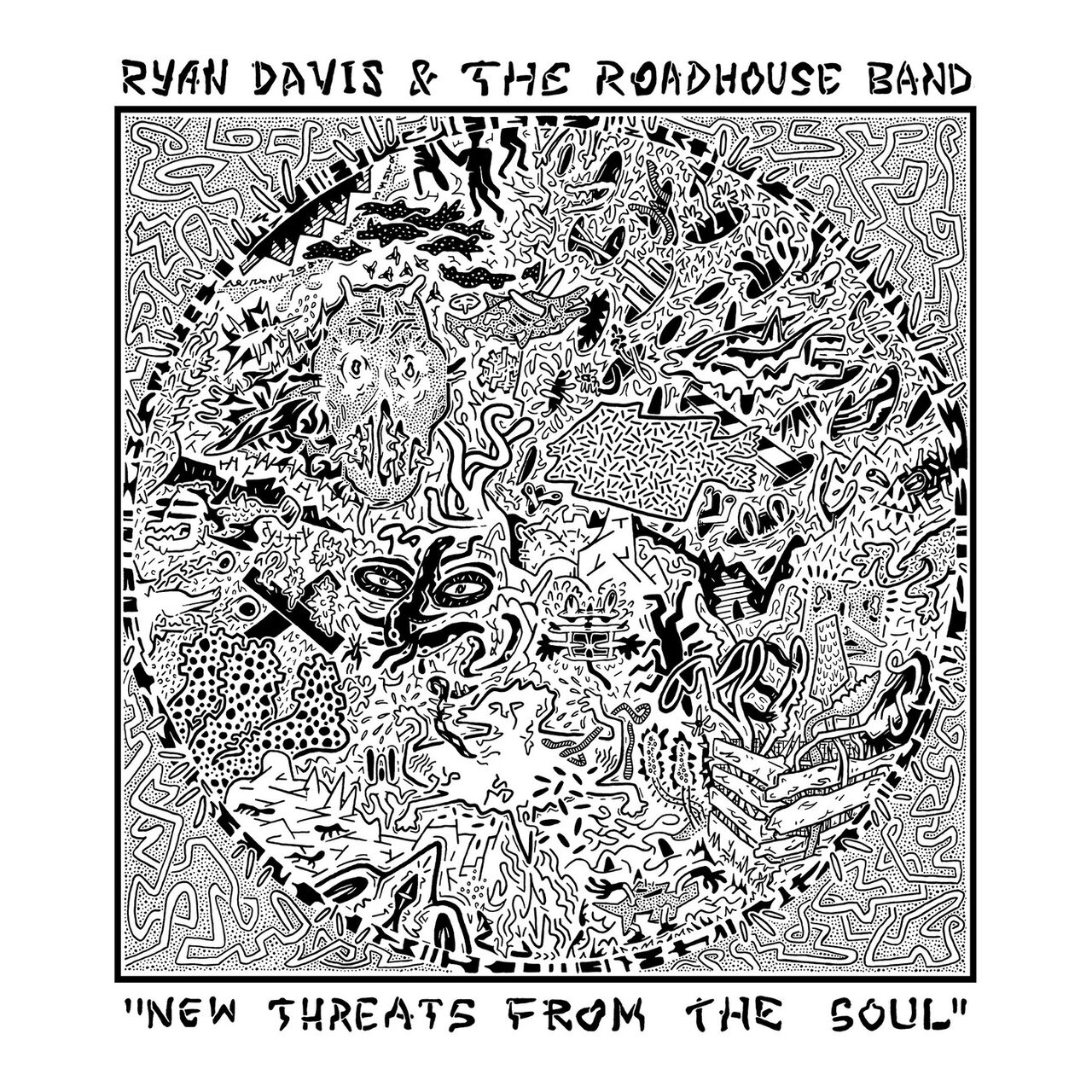
“I will never be anything other than a caged bird swingin’ from a chain swing / Whistlin’ for my payseed, peckin’ on a W9,” Ryan Davis sings sweetly in the midst of the tour-de-force opening title track to his Roadhouse Band’s latest album New Threats From The Soul. This is one of a genuine litany of lines that could be grabbed from Davis’ oeuvre that capture his perfect balance of nihilism and humour; exhaustion and poetry. That he has a Louisville-honed country brogue of a voice and a band made of crack musicians forged in the fires of the city’s country scene backing him up makes it all the sweeter and more satisfying.
New Threats From The Soul makes good on its title, presenting a series of songs that threaten to tip the scale of ‘what’s the fuck is even the point’, but just about manage to stay on the straight and narrow. For every song of self-involved stupidity – see the lovelorn mayhem of “Monte Carlo / No Limits” – there are tracks that take a step back and look at the bigger picture of the grandiose mess we find ourselves in. Just look at the breathtaking imagery painted across partner tracks “Mutilation Springs” and “Mutilation Falls”, where he spins together a wide web of thoughts that mourn the loss of some mythical “good times”. “What even am I by god? / Yelled the penny slot towards the high-stakes room,” Davis croons on the former; “The dream is a mirror held by a phantom hand” he repeats on the latter.
But New Threats From The Soul is a good time. Like his clear influences David Berman and Jason Molina, Davis is able to find a rousing, life-affirming feeling in the depths of self-examination. That’s perhaps nowhere more obvious than on “The Simple Joy”, where he’s wallowing in his loneliness, strung out on sadsack street, but when he and the band come together to sing that titular phrase, the fire in his belly is audible. This is Ryan Davis & the Roadhouse Band; they’ll keep trucking along until their tires wear through or they run out of road. At that point, as Davis sings at the album’s close, they’ll be “waiting on [their] assignment from the spirit world”. – Rob Hakimian
4.
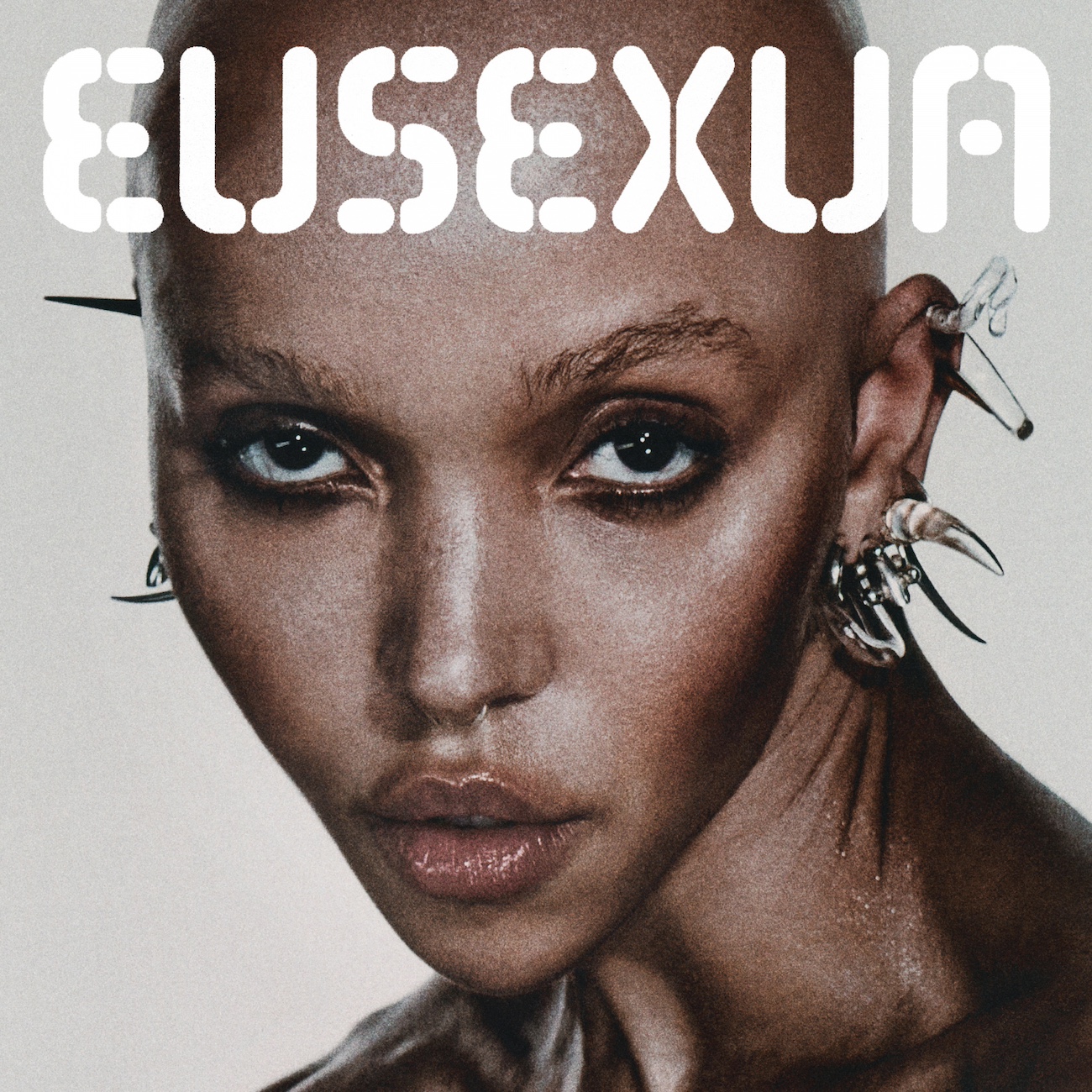
FKA twigs – EUSEXUA
[Young]
“EUSEXUA is a practice. EUSEXUA is a state of being. EUSEXUA is the pinnacle of human experience,” FKA twigs told us repeatedly through the release cycle of her third album. It’s a testament to the craft and concept that went into the creation of her record. But I’ll simplify it for her: EUSEXUA is a banger.
After the heady, emotionally weighty exploits of her first two studio records, twigs went into party mode for the Caprisongs mixtape. EUSEXUA continues in that vein but takes us out of the carnival streets and into the sweaty, intimate and intense nightclub. However, she’s created an album that lives in a space above the dancefloor. Sure, there are songs here that are readymade to pulse through a packed room, but her interest is more in the mental and physical sensations that overtake the body when in a mindlessly blissful state of being. Whether its making magnetic eye contact across the room, feeling debased by desire or becoming one with all the minds and bodies around you, it simply feels good. But it comes with an aching, indescribable hunger for more – more music, more touching, more attention, more intimacy, more weightlessness.
The production, managed alongside main collaborator Koreless and a host of other sound connoisseurs, is fine-tuned to accentuate this almost-unbearable pleasure. Every beat is perfectly meaty or clipped, every glitch lightly slides and slices across the auditory cortex, every filter is applied to make hairs stand on end like the magnetic pull of another warm body. The result is something that feels like a full body workout and an intense endorphin rush condensed into musical form. – Rob Hakimian
3.
billy woods – GOLLIWOG
[Backwoodz Studioz]
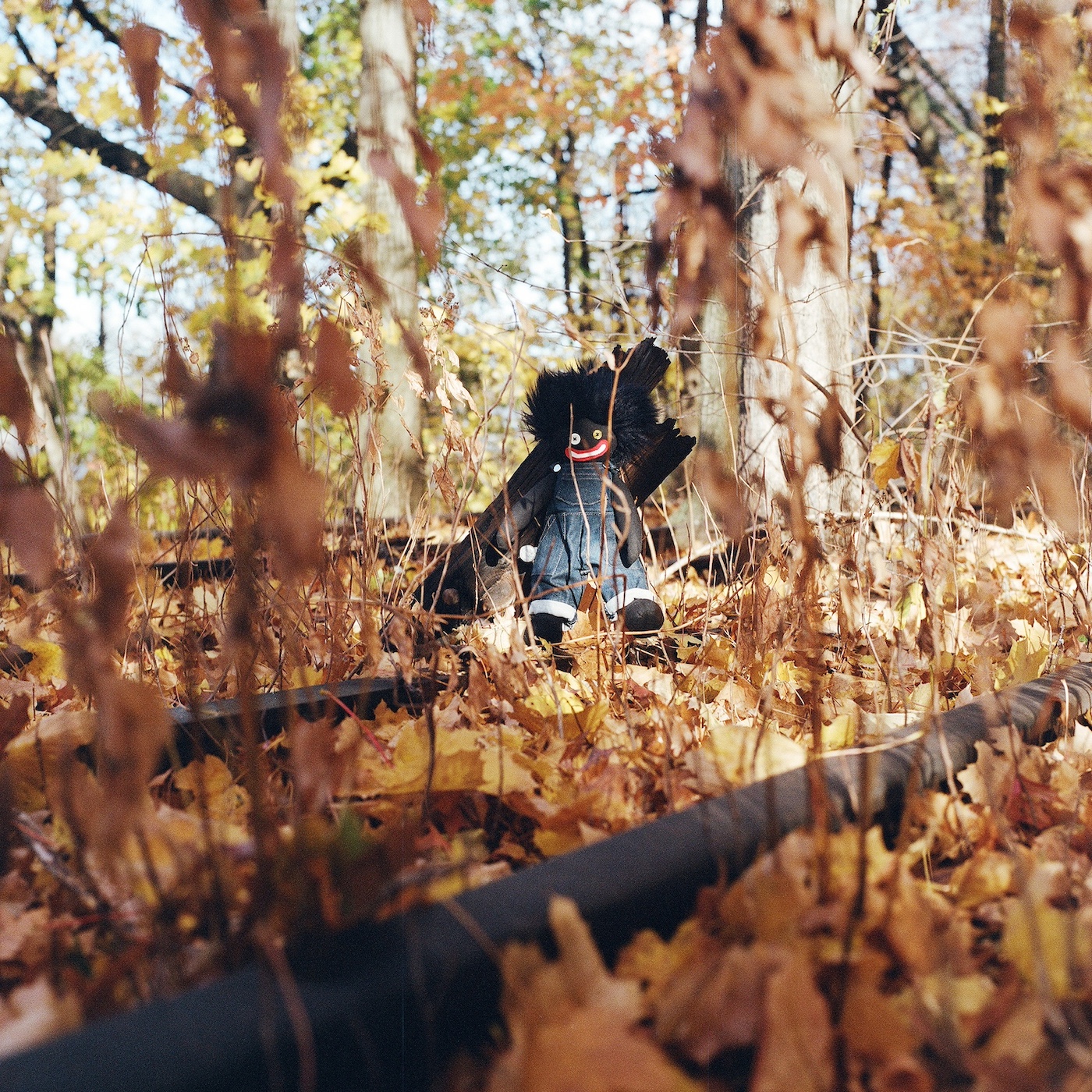
By naming his album GOLLIWOG, billy woods sought not only to provoke, but to terrify. The eponymous dolls, now recognised as an offensive caricature of Black people, are actually downright creepy – especially the one that graces this album’s cover and is “playing dead” in the album’s opening line. It’s discomforting, especially for white people, and it forces us to face the question of whether we still reflect those reductive ideas of African people deep in our consciousnesses. For his part, woods is here to show that the modern Black man is multi-faceted; a father, a performer, a devourer of culture – overall an emotional, highly intelligent person that’s unafraid to look you in the eye and tell you exactly how it is. Does that scare you?
woods uses this as a gateway into wider fears that infest the modern psyche and, rather than working with a single producer, here he taps a variety of talents who furnish him with some of the most spine-tingling atmospheres around. On “Waterproof Mascara”, Preservation eschews a beat in favour of haunted synth and looped sounds of a woman sobbing, while the rapper relays memories of his mother weeping and admits “sometimes it’s all you can do not to do it like Sylvia Plath”. Shabaka Hutchings and DJ Haram team up on “All These Worlds Are Yours”, providing a soundbath-like atmosphere overlaid with military radio chatter as a benumbed woods tells us “today I watched a man die in a hole from the comfort of my home / The drone flew real low, no rush, real slow.”
Moving into the album’s second half, Ant’s bass-heavy staggering beat on “Cold Sweat” harks more towards ‘traditional’ horrorcore, but the tales within are anything but: nightmares about record execs and waking up next to your “old old old old old ex” give way to a premonition about being the last tenant refusing to leave a building the grifting owner is trying to flip. “BLK ZMBY” takes Steel Tipped Dove’s blasting, string imbued production on a trip down to post-colonial Africa where corrupt regimes are turning their citizens into brainless, starved monsters.
Perhaps the most anthemic phrase on the record is also its bluntest: “Born alone, die alone, no matter who your man is.” That really is the bottom line here. On GOLLIWOG, the pervading horror and fear of death fixes you in its sights like the unblinking gaze of the titular doll, which mysteriously shows up on the shelf and watches over you in the night. It’s inescapable and irrefutable. – Rob Hakimian
2.
Rosalía – LUX
[Columbia]
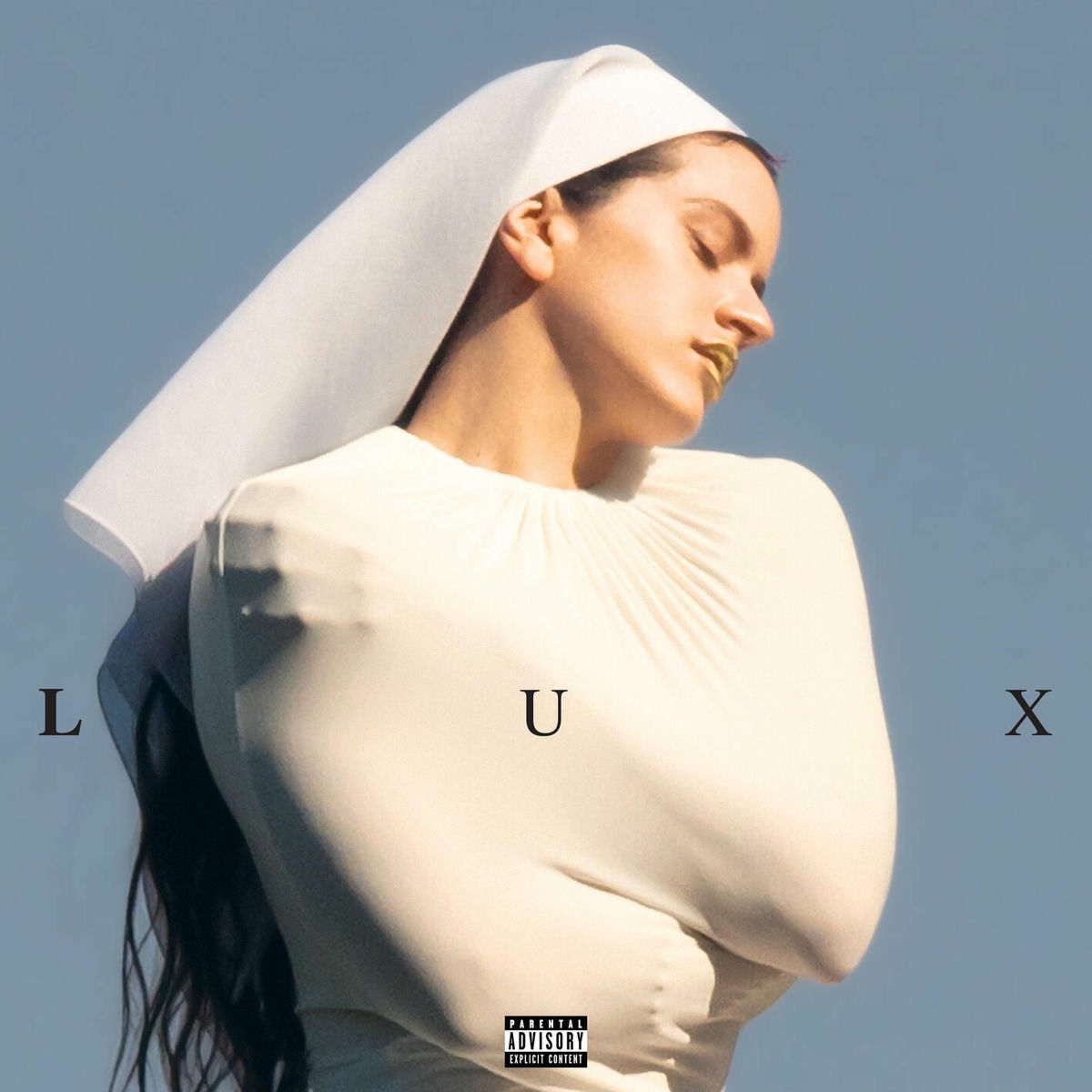
I don’t think we realise just how lucky we are to be living at the same time as Rosalía. If there was ever any doubt that we are in the presence of a singular idol who turns everything they touch into gold (but in a good way, not in a cursed King Midas way), then any 30 seconds of her new album LUX will give you just that. A masterclass in the merging of worlds as western classical, electronica, Spanish waltz, regional-Mexican rhythms, art pop, and a slew of other styles come together seamlessly.
There are guests and collaborators others would hide in the shadow of (Björk, Estrella Morente, Sílvia Pérez Cruz, Yves Tumor, and the goddamn London Symphony Orchestra being conducted by Daníel Bjarnason), but instead Rosalía challenges the spotlight when she isn’t fully taking it for herself. And also, how could anyone not mention the lyrics in 14 (fourteen) different languages here! LUX is a magical and dazzling journey through love, femininity, faith, and transcendence. It rewards over and over again, and damn, we are very lucky to have been here when it was delivered to us by the deity that is Rosalía. – Ray Finlayson
1.
Geese – Getting Killed
[Partisan]
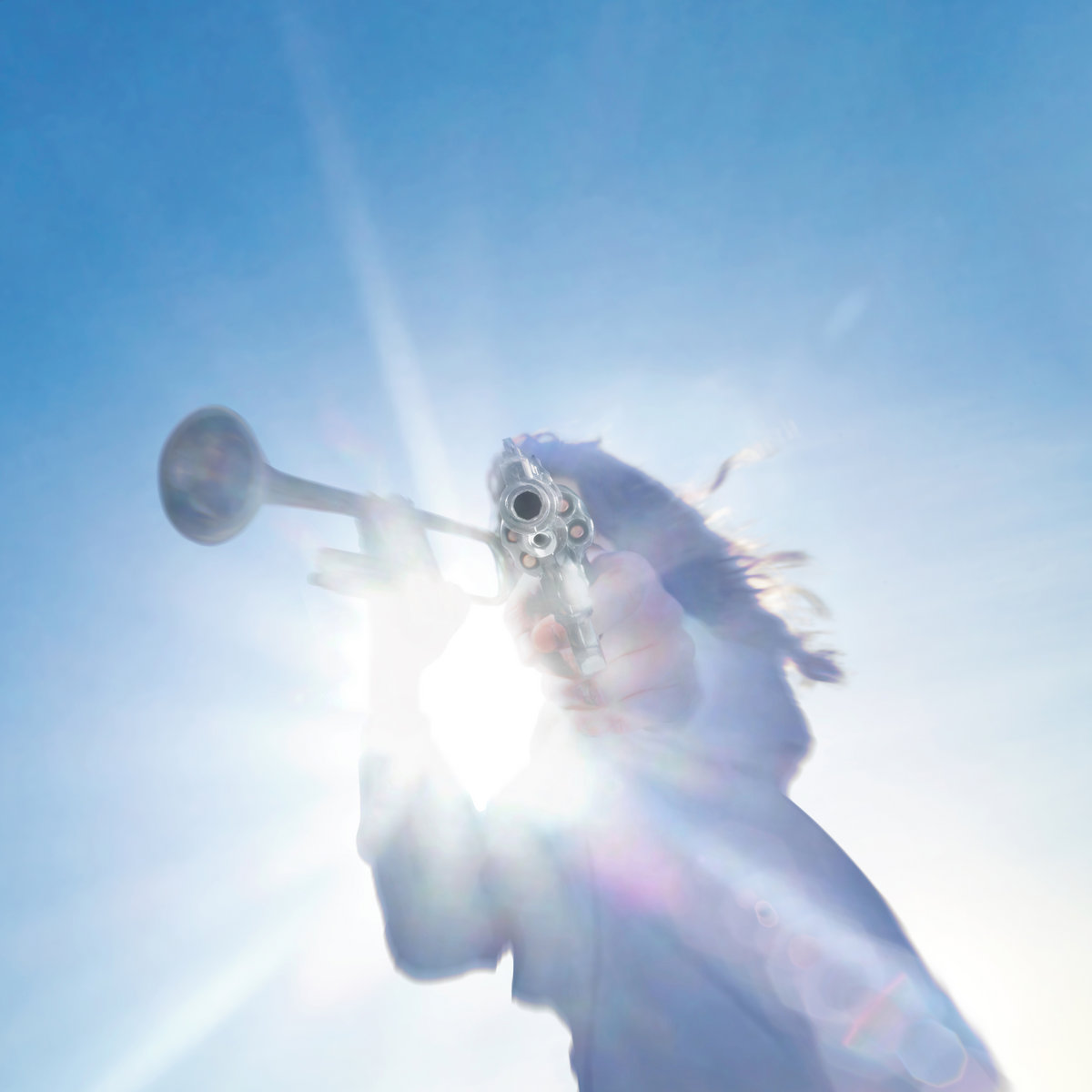
Finally, Geese answer the universal question: what if Thom Yorke had decided to find inspiration not with Can, but Tom Waits? Remember Clap Your Hands Say Yeah? Well, NOW YOU DON’T HAVE TO, because with Getting Killed Brooklyn’s most underrated indie rock band somehow became America’s breakthrough group of the year!
Having mostly succeeded previously as a cult act that provided a counterweight to London’s Windmill scene, Geese’s third album abandoned some of the camp of whacky predecessor 3D Country and migrated in tone from country-infused Texas to swampy Louisiana. There’s a lot of blues and groove on Getting Killed, as the band is even more confident and comfortable with their shared identity, retaining the strong aura of a live-band throughout.
But most of all, they managed to deliver a whole collection of stone cold, back to back hits! “Cobra”, “Husbands”, “Islands of Men”, “Au Pays Du Cocaine”, “Taxes”… the list just won’t end! That’s largely due to the incredible interplay between the group’s rhythm section, the inspired guitar playing (which owes quite a bit to Jonny Greenwood in his prime) and Cameron Winter’s aforementioned charisma and edgy voice, which presents itself here as one of the most memorable in current indie rock. Getting Killed has already been canonised as modern classic, and it deserves every ounce of praise. – John Wohlmacher
Listen to a Spotify playlist of our highlights from our Top 50 Albums of 2025 here.
Check out our Top 50 Songs of 2025 here.
Check out our Honorable Mentions 2025 here.