
It has been a long time since anyone has seen the full version of the film Menschen am Sonntag (English title: People on Sunday). The original cut of the German silent semi-documentary that premiered in Berlin in 1930 had a reel that was 2,014 metres long, but since then the film’s original negative has been lost. No complete copy of the movie exists anymore, but taking the version from the Netherlands Film Museum (which was 1,615 metres long) and inserting missing scenes supplied by Swiss Cinémathèque, Royal Belgian Cinémathèque, and Italian Fondazione Cineteca, a new, more complete cut of Menschen am Sonntag was able to be created. Still incomplete, but at 1,839 metres long, it is the closest thing any of us will get to seeing what those in Germany saw almost a century ago.
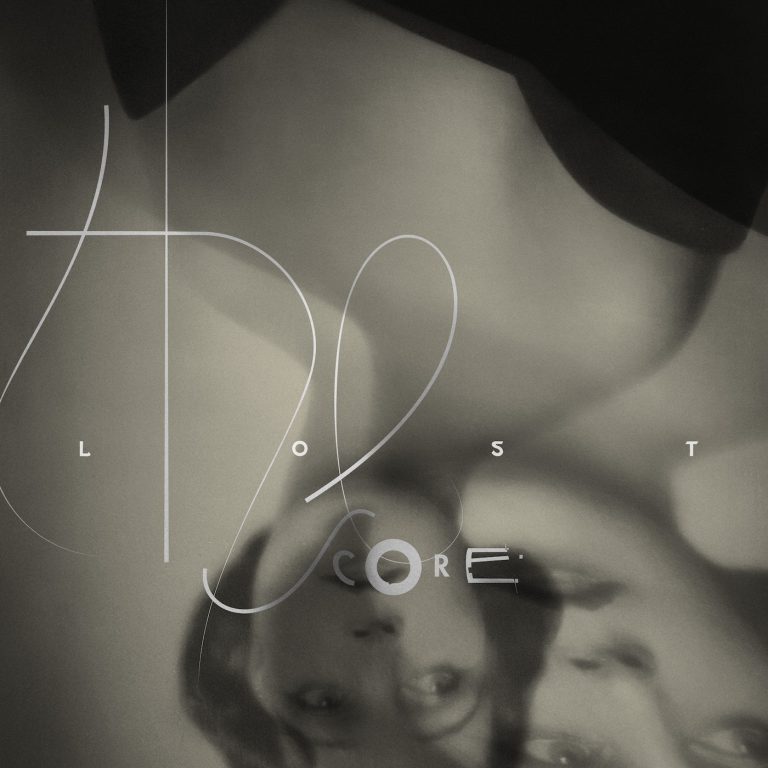
Menschen am Sonntag is the focus of The Lost Score, a new soundtrack album from Derbyshire trio Haiku Salut and Melbourne-born London-based pianist Meg Morley. Originally commissioned as a live performance to a screening of the movie by Birmingham’s Flatpack Film Festival in 2019, The Lost Score distills some two hours of music into a 10 track album that captures the essence of both the film and the live show. It also narrows the focus of the music itself to become an independent statement; away from the images of the film it still works as intriguing, interesting, and sometimes arresting music.
Haiku Salut (consisting of Gemma Barkerwood, Sophie Barkerwood, and Louise Croft) are no strangers to soundtracking silent movies. In 2019 they released their fascinating alternative soundtrack to Buster Keaton’s The General. The immediate temptation with The Lost Score is to do the same and to hit play on both the movie and the music at the same time, but the length of The Lost Score and Menschen am Sonntag don’t fit together neatly. Still, it’s easy enough to see how these tracks did work in their original form (even if they have been altered and enhanced in the intervening years between the original live show and now): the sentimental delicacy of “Meine Beste Freundin” adds tenderness to both the female and male leads in the film; the bobbing “Laugh And Cricket” soundtracking the images of everyday German people revelling in a day of leisure; and the bellowing brass on “You Made Sunday” ushering in the final title cards like a factory bell as Monday once again comes by.
At its most alluring, Haiku Salut and Morley tap into the sinister undercurrent the film offers to modern eyes. “There were some elements of the film that we agreed we wanted to musically undermine. The way the men treated the women felt uncomfortable viewing it through a modern lens and we used the score to communicate some of the more sinister elements,” says Haiku Salut’s Barkerwood. “Faces” seeps in with noir-ish EDM arpeggios and matching piano, creating a sinister but unsteady feel, while the inky “Toxic” feels like a deliberate contrast to what (at the time) would seem like whimsical courting but instead is unsettlingly predatory.
While Menschen Am Sonntag remains an important snapshot of pre-World War II Germany and document of life almost 100 years ago, The Lost Score offers the chance to reframe it. It’s very easy to idealise the olden days when things looked simpler; directors Robert Siodmak and Edgar G. Ulmer shows both the romanticized image of the city but also the more real side: streets filled with litter, homeless people sleeping on park benches, and misogynistic behaviour in plentiful amounts. The Lost Score taps into this darker vein, choosing not to celebrate what was once framed as quaint and lighthearted.
Haiku Salut and Morley do also capture the joy though. The blissful, spaced out “What Happened Next” twinkles in its stillness, evoking the lackadaisical feeling of sleeping in as sunlight moves across the room through a crack in the curtains. Album highlight “Carousel” has a delightful skip in its step, growing the rippling arpeggios from the opening track and marrying Haiku Salut’s vibrant and colourful electronics with Morley’s piano that leans into a Europop feel. Copper toybox percussion, explorative piano runs, and evocative soundscapes peek their heads up across the album. It’s a dynamic environment, which is fitting for a film about human life and about the film itself. Like the cut of the film itself, life has changed in a whole host of ways since 1930, but the call of the weekend still beckons loudly. Haiku Salut and Meg Morley understand this and find a way of respecting that while simultaneously finding new shades to a document from a century ago.