
In our Turning 25 feature last week, we heard from dozens of bands about some of the records released in 1997 that have shaped and inspired them in various ways. Some artists spoke of direct connections to their own work while others approached their respective choices through the exploration of a more intimate and experiential viewpoint. Regardless of their individual insights, it became clear that 1997 gave rise to a tide of undiluted influence, and those same ripples continue to spread out and will alter the perceptions of musicians for generations to come.
For our companion piece, some of the writers at Beats Per Minutes combed through those same releases and have offered their own memories and associations, digging into the past and sharing how the music sculpted their outlook on genre, musical histories, and the effect of influence as it is passes down from one artist to the next. Grammy winners and independent artists sit side by side; hip-hop, indie rock, electronic music, and other aesthetics are illuminated without prejudice. These albums spread out across countless rhythmic lineages and highlight the innate unpredictability that 1997 offered, and in which it effortlessly reveled. Enjoy our thoughts below.
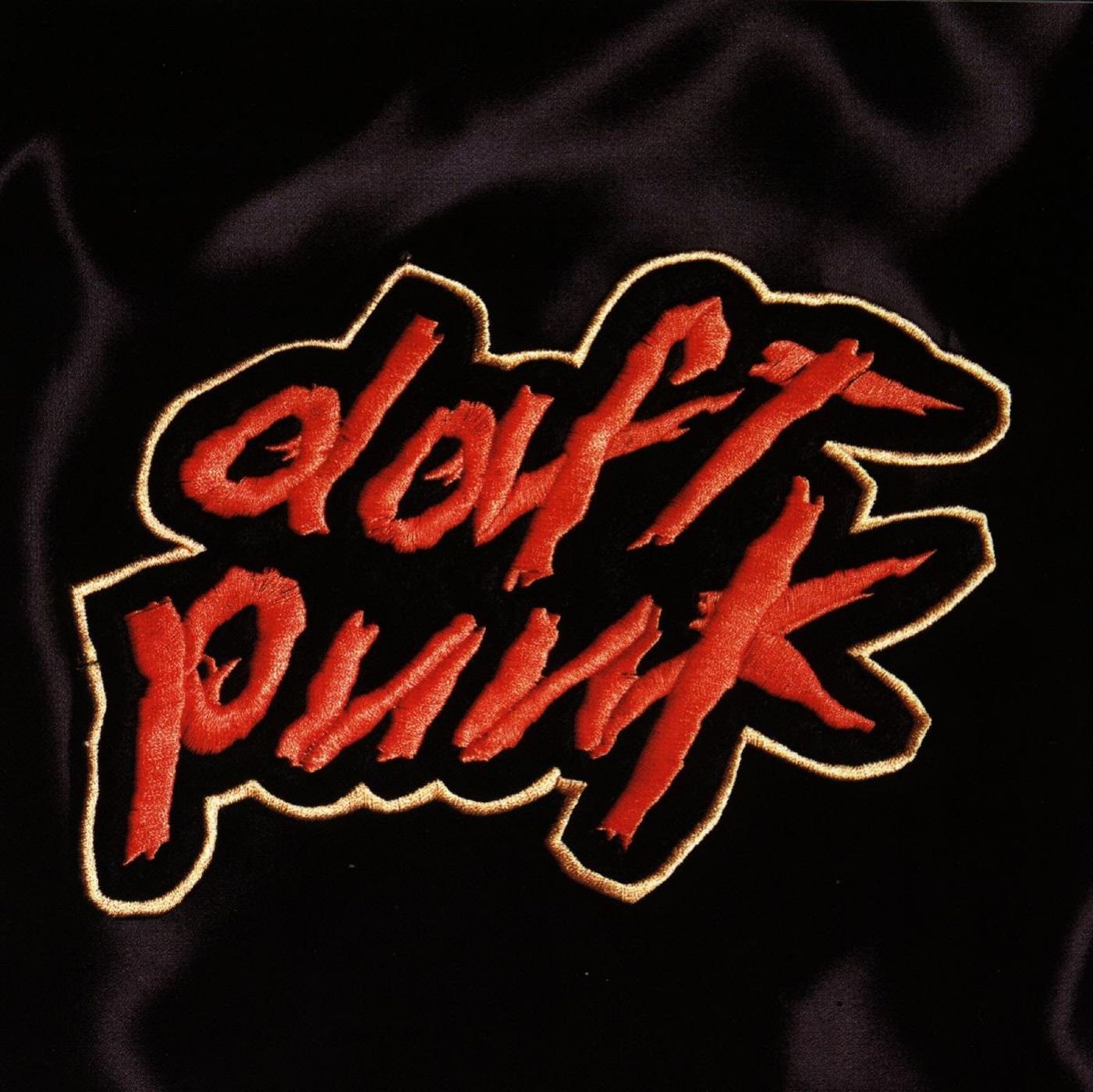
Daft Punk – Homework
[Virgin/Soma]
Groundbreaking shit often happens in the tiniest of places. Jesus Christ was born in a small manger; Marquis de Sade wrote The 120 Days of Sodom in a single roll of paper while imprisoned in the Bastille; and Daft Punk composed, recorded, and produced their debut LP Homework in Thomas Bengalter’s 10 square metre bedroom in the Paris neighbourhood of Montmartre. While the title bears an obvious reference to the whole home-based operation, it also discloses what the entire album is about: a genuine, raw, and expertly assembled mix of influences, styles, genres, and techniques two high school friends had been feeding on since an early age, a diet that tracks like “Teachers” and the carefully curated samples instantly unveiled. Exciting as it might have been, for France this type of sound had nothing new in itself; but the rest of the world was about to get a taste of a luxury gateway drug driving them straight into the wondrous and addictive world of French Touch. And when “Da Funk” and “Around The World” (along with their unforgettable videos) got marked onto our brains like hot iron on cattle—well, a Pandora’s box had just been opened. Electronica would never be the same.
~Ana Leorne
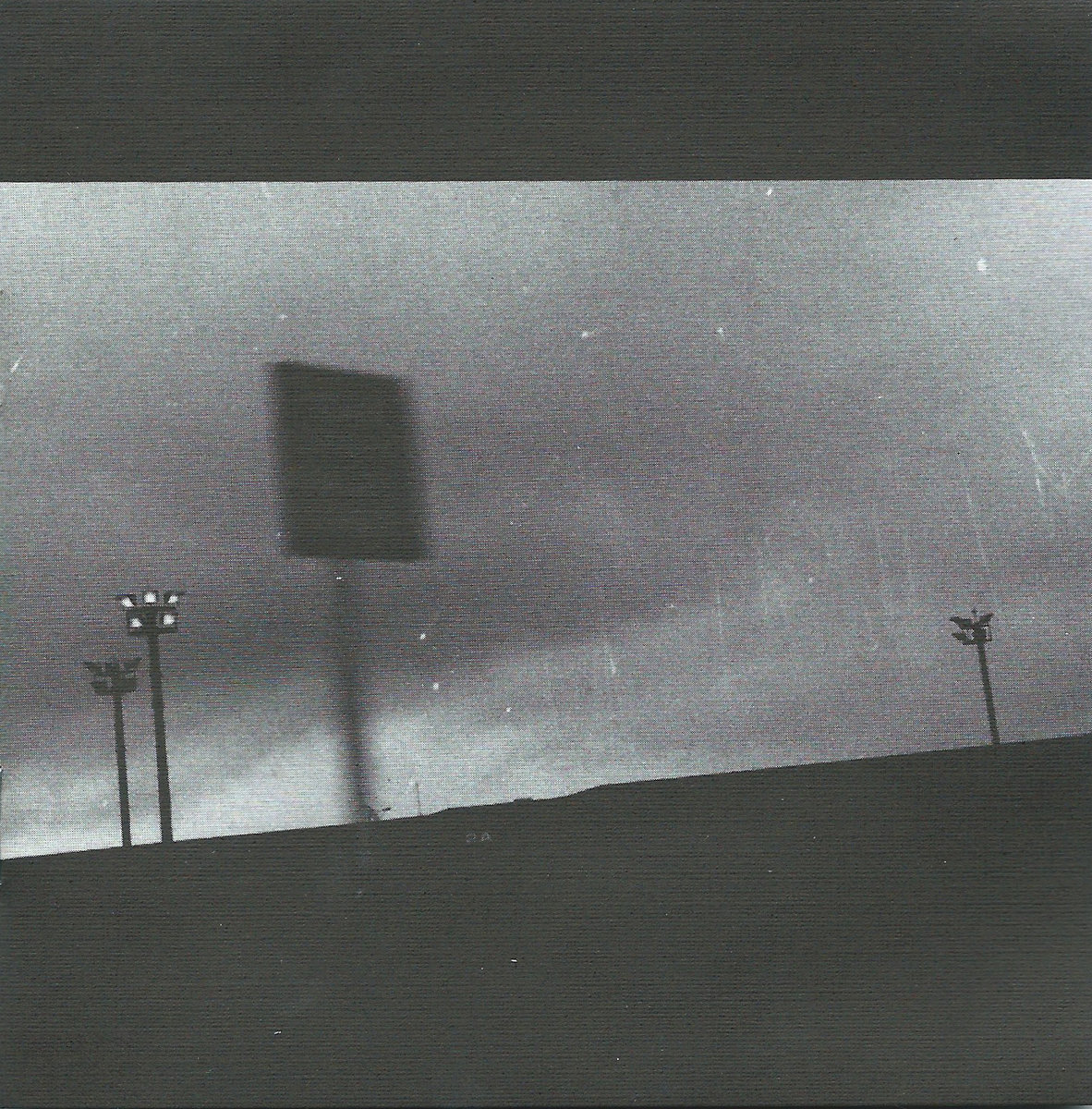
Godspeed You! Black Emperor – F♯A♯∞
[Constellation/Kranky]
The downfall started long ago. We all saw it happen – the towers falling, the nuclear plant exploding. The mass graves of wars, the famine, the pestilence. The smell of it all. Maybe it’s always been like this, but now it’s different. The end: it’s near.
The apocalypse seems almost cyclical now, an idea and feeling more so than the cataclysmic event Hollywood’s been imagining. For those of us that can remember, the late 90s almost felt as if American filmmaking was drenched in bloodlust, imagining the demise of millions on the hands of comets, floods and volcanoes. At the end of the 20th century, those fantasies felt like a distant psycho-analytical echo of the mass murder that ate through the previous decades. Man was once again at the whim of an antagonistic cosmos, which devoured all, uncaring for our hopes and dreams. Devoid of spiritual comfort, our species seemed doomed, with our sole saviours salt of the earth workers that defied snob elite politicians and delusional business men. It’s ironic that Hollywood, a machine whose only rules are in place of gathering money, would throw millions of dollars at stories which ultimately decried capitalism as a failed experiment. In tandem with that were a number of albums lamenting and documents a society falling apart. Suburban decay and necro-capitalist decadence pervade almost all works of this era. Yet no album managed to wholly depict the apocalypse as unflinchingly and unmasked as F♯A♯∞.
The record is a mystery: a riddle, a prophecy, a joke at times, always a warning. Godspeed You! Black Emperor seemed to materialize out of nowhere, with no distinguishable identity. It wasn’t even clear if their first album – of which only 33 copies exist and unheard before its eventual release earlier this year – was an elaborate hoax by the band itself. This was further fed by the crude existence of F♯A♯∞ as two entities – the vinyl version at 38 minutes, and the CD release that lasts 63. In its original form, on vinyl, it includes the following items within an envelope: an old concert bill, a credit sheet, an ominous conspiratorial blueprint that seem like the ravings of a madman, the drawing of a train, and a Canadian penny crushed by a train. On its back: a hand painted silver cross. And within, the end of days. F♯A♯∞ opens with an ominous drone, which segues into an eschatological poem – here’s its opening lines:
The car’s on fire and there’s no driver at the wheel
And the sewers are all muddied with a thousand lonely suicides
And a dark wind blows
The government is corrupt
And we’re on so many drugs
With the radio on and the curtains drawn
We’re trapped in the belly of this horrible machine
And the machine is bleeding to death
What follows is music, field recordings, collages of sounds, a barren post-apocalyptic wasteland: Western guitars mix with strings, the sounds of passing trains and buzzing flies, a distorted voice over radio. It feels like a nightmare, those moments in John Carpenter’s “Prince of Darkness” when the crew of the infested church share horrifying nightmares. It’s a formless, dusty yet gelatinous vision, a gentle vortex of atmospheres, genuinely unsettling and disturbing, but also freeing in its opportunities of flags dying (what a horrendously beautiful image). For every claustrophobic chamber that opens, it is contrasted by vast wideness, and the eerie beauty of cosmic dichotomies united. “The skyline was beautiful on fire.” The loneliness within is by our design, and like the visions in Carpenters film still mutable by us. We can reject this “horrible machine” we are trapped inside, throw away our wallets that are full of blood. We can find something greater in our journey, marvel at the scope of what horrifies us. Gazing forward into the present, this turmoil seems unimaginable and indeed the end of all. Yet, we must not go all alone into the darkness. “I said: “kiss me, you’re beautiful -These are truly the last days”. You grabbed my hand and we fell into it – Like a daydream or a fever…” This is all we have. Let’s make the most of it while we still can.
~John Wohlmacher

Modest Mouse – The Lonesome Crowded West
[Up]
It’s kind of nuts that, in the couple of years preceding The Lonesome Crowded West, Modest Mouse released at least 120 minutes of grade-A material and yet still returned another epic 70+-minute double LP that topped all of that. Isaac Brock, more than ever, had a lot to say – and his bandmates had the fire in their bellies to make sure it all came out in scorching, urgent missives whose claws remain razor sharp to this day.
Quotable Brock-isms on this record are numerous enough to cover a torso twice over in tattoos, but the opening statement is a perfect nutshell of what it all encompasses: “From the top of the ocean / to the bottom of the sky.” It’s a distance that could both encompass the entire world or absolutely nothing, and throughout the album the singer sings of characters who have the latter but want the former.
We have the God-baiting Cowboy Dan, the heartsick long-distance drunk, the trucker on an endless ride, the squalid occupant of a run-down trailer park – all are facets of Brock, who melded and contorted his past and his problems through his own unique lens. The impressive thing is, for those who’ve never had alcohol issues, lived in poverty, or dreamed of killing God – which is likely most listeners – The Lonesome Crowded West still resonates like a shockwave. Somehow, with his idiosyncratic songwriting style, Brock was able to elucidate his issues into shapes, tones and images that resonated with everyone. After all, we’re all just doin’ the cockroach through this thing we call life.
~Rob Hakimian
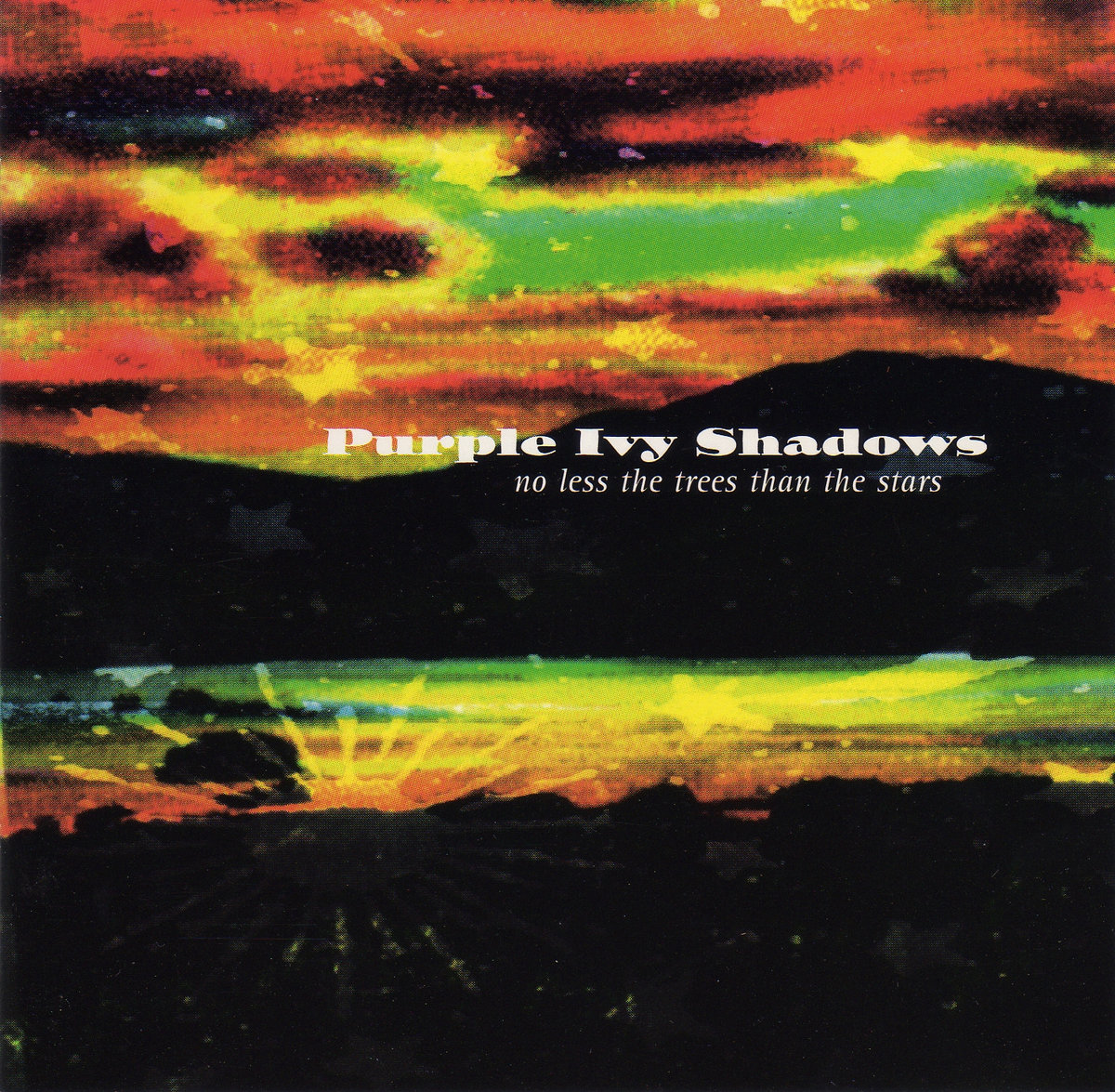
Purple Ivy Shadows – No Less the Trees Than the Stars
[Slow River]
Formed in 1991 by singer Chris Daltry in Richmond, Virginia before relocating to Providence, Rhode Island, Purple Ivy Shadows were a band devoted to the creation of dreamy rural pop oddities. After a handful of singles and EPs in the mid to early ‘90s, the band dropped their debut LP No Less the Trees Than the Stars, and it was the first album I ever became obsessed over. Thinking back now, I can’t even remember how I came across it – this was before streaming services and algorithms led us down innumerable musical rabbit holes. But I found it, and that’s all that matters. I even wrote to the band and received a written reply. I still have the postcard in a small frame in my room.
The band found a way to bridge the Laurel Canyon sound of the ‘70s with a more morose folk aesthetic, one that often felt craggy and fatalistic. Tracks like “Dancefloor’s Shiny Under Junky” and “Rebuilding the Ancestral Statue” were experiments in indie rock adaptation, mixing noisy atmospheres with odd rhythms and disjointed vocal theatrics. Others like opener “Pawtucket” and “Blue Mtn.” were more melodically focused, but still took some interesting detours as they wound themselves out. This was a record that was so impressionistic that it could mean a dozen different things to a dozen different people. I spent so many hours pouring over its contours and porous surfaces hoping to pry open just one more secret. And I still haven’t found them all.
~Joshua Pickard

Bob Dylan – Time Out of Mind
[Columbia]
With Time Out of Mind, Bob Dylan secularizes his late-70s/early 80s “Christian” work while universalizing the confessional tone of 1975’s Blood on the Tracks. Also, it’s Time Out of Mind that served as a tipping point for Dylan’s contemporary successes, a process that culminated with him receiving the 2016 Nobel Prize in Literature. Lastly, the album is sonically unique to the Dylan catalog, which can be attributed in great part to Daniel Lanois’ role as the album’s producer.
Running over 70 minutes in length, the sequence features some of Dylan’s most memorable lyrics and compelling vocals, set within bluesy, goth-southern, and surreal soundscapes. Opener “Love Sick” instantiates the album’s otherworldly tone (“I’m walking through streets that are dead”). Dylan’s voice is weathered but commanding, unfurling within a swampy instrumental mix. “Standing in the Doorway” shows Dylan navigating an emotional bardo (“I got no place left to turn / I got nothing left to burn”). Lap-steel guitars streak in the background while the band sustains a languid, laidback rhythm.
“Tryin’ to Get to Heaven” epitomizes Dylan’s career-long knack for understatedly irresistible melodies. His vocal delivery is alternately gravelly, lucid, prophetic, and despondent. “When you think that you’ve lost everything / you find out you can always lose a little more,” he sings, blending wisdom and fatalism while touching on Buddhism’s “remembrances.”
On “Not Dark Yet,” Dylan’s vocals are filtered through a slight delay effect. He offers what occurs as an Everyman take on the Gethsemane story, capturing that sense of being at the end of life or having to face an impending crisis. Drums are steady yet loose, guitars are chorus-draped; there’s an echoey, humid feel to the track. “I was born here and I’ll die here / against my will,” he croons, anguished yet resolved around the ineluctability of change, loss, demise. With the 16½-minute closer “Highlands,” Dylan crafts a dream-like storyline, including seeing “the lake of the Black Swan,” “listening to Neil Young,” and engaging in a mystically charged conversation with a waitress in a “Boston restaurant.”
Time Out of Mind spotlights Dylan as he moves, lyrically, between oblique, declarative, imagistic, and narrative styles. Vocally, he’s perhaps at his most nuanced, vulnerable, and cogently expressive. Daniel Lanois’ contributions can’t be overestimated, the album’s lush atmospheres and instrumental intonations framing the singer-poet as he unflinchingly considers the humbling reality of impermanence.
~John Amen
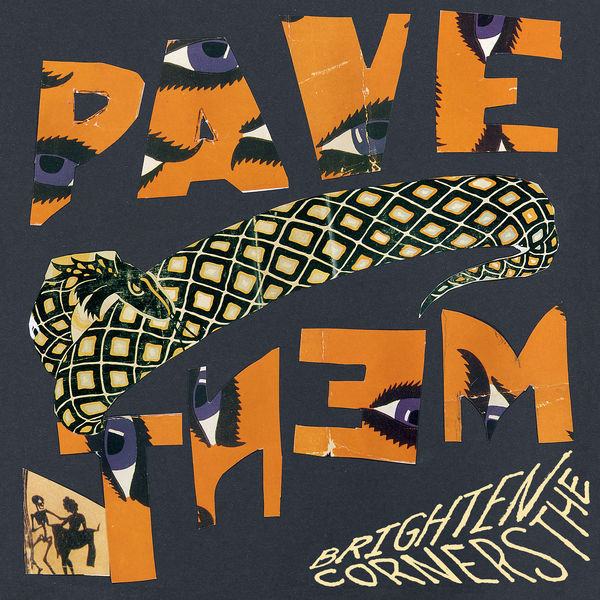
Pavement – Brighten the Corners
[Matador]
There’s a small sector in Hell reserved for those who don’t pick Crooked Rain, Crooked Rain or Slanted and Enchanted as the best Pavement record. Not because that would be a crap opinion, but because that sector is nothing but hecklers and redditors eviscerating them for their dismissal of the bands two most iconic releases, so folks tend to stay away from it. It’s been established already that you must fall on either side, and while the band released three other albums and a handful of EPs, most lean either Crooked or Slanted.
Pavement were the quintessential indie band. Years removed from the success of “Cut Your Hair”, the band was in dire need of a pick me up after the fairly negative reaction to their near-career killing third album Wowee Zowee. Returning to that safe space they comfortably sat in on Crooked Rain, the band churned out 12 dutiful and melodious morsels in hopes of saving themselves.
It didn’t work, though. Pavement only released one more album before disbanding in 1999. So nestled between their swan song and the album that killed their rise, is Brighten the Corners, with its hooky grooves and shout-out-loud choruses (oh c’mon, you screamed “Listen, to me, I’m on the STER-E-O, the STER-E-O-HO” at least once). It’s chock full of some of Stephen Malkmus’ best lines and rhymes, “focus on the quasar and the myst, the Kaiser has a cyst,” or “a redder shade of neck on a whiter shade of trash, and this Emory board is giving me a rash.”
It also has one of guitarist Scott Kannberg’s best performances in “Date w/IKEA” not to mention the soured music life confession on “Transport is Arranged”. The band took time with Corners, something they didn’t do with Wowee, and while both are spectacular in their own ways, Brighten the Corners feels often overlooked simply by it’s placement in time: a year of colossal releases, a band struggling to keep their shit together after controversy, and the transition of alternative rock into pop-punk had begun. While it’s the highest charting album for the band, and received positive reviews, it’s often relegated to “fourth best Pavement album”. But I’ll go on record right now and declare Brighten the Corners to be better than Slanted and Enchanted, and I’ll see you all in Hell where I’ll be stanning it for eternity.
~Tim Sentz
Sigur Rós – Von
[Smekkleysa]
I think it’s safe to say that Von is unlikely to be labelled as anyone’s favourite Sigur Rós record – so why then could I not stop listening to it when I was a younger? Ágætis byrjun had its glistening crescendos and tear-inducing crystalline highs and ( ) had its post-rock layers and drama, but Von was always the record I kept going back to. Maybe it’s because most of the music here sounds like it’s just out of reach: “Sigur Rós” is all Robert Rich-style atmosphere, creepy rumblings and eerie haunted screams in the distance, while the embryonic “Dögun” is half ASMR rainfall as Jón Þór Birgisson wails in the background like a cooing animal in some faraway forest. Even the extended periods of silence punctuating the middle and end of the record oddly seem to invite analysis.
When the album reckons with music that feels substantial, it still manages to sound like a soundtrack to a dreamworld. The murky and misty shoegaze of “Myrkur”, the airy carousel-like swirl of 12 minute centrepiece “Hafssól”, and the flurry of martial drums and the screams of “Hún Jörð …” all exist just off a plain of tangibility, perpetually at arm’s length. Contextually it’s definitely interesting to hear the starting point of styles and soundworlds that would define Sigur Rós as a whole (“Syndir Guðs (Opinberun frelsarans)”) with its elongated bass melodies and sonorous atmosphere is like a warm up for the darker mid-section of Ágætis byrjun), but on its own Von still beguiles and draws you in. Always evading your stare and always strangely inviting you in, to this day Von still engrosses and asks you to try find something in the mist.
~Ray Finlayson
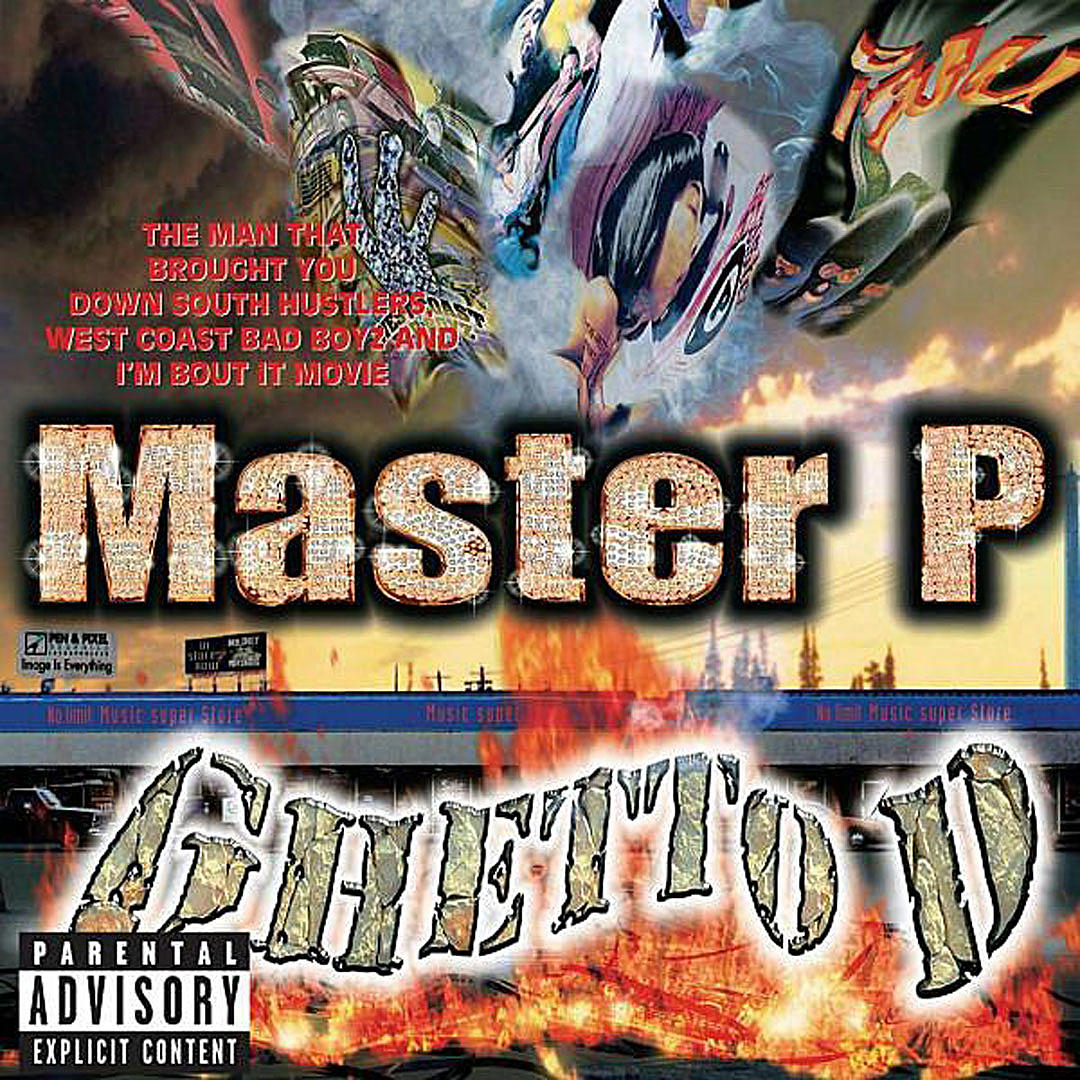
Master P – Ghetto D
[No Limit]
We can argue all day long as to what album represents the crown jewel of No Limit’s legendary run – Mac’s lyrical dominance, Mystikal’s sheer wild energy, and plenty might argue for Master P’s own MP da Last Don – but there’s no denying the importance of Ghetto D. The label’s business savvy (to say the least) head had never sounded more confident, and it was the sort of album that made the label simply undeniable to even its greatest detractors. From the outset, opening with the title track, P is in his pocket, and the album cycles through jam after jam, right on down to the glorious, Star Trek referencing “Captain Kirk”. Making perfect use of the label’s roster, there’s no real miss on Ghetto D. It’s the album that made the world want to say “uhhhhhhh”. You simply can’t deny its power.
~Chase McMullen
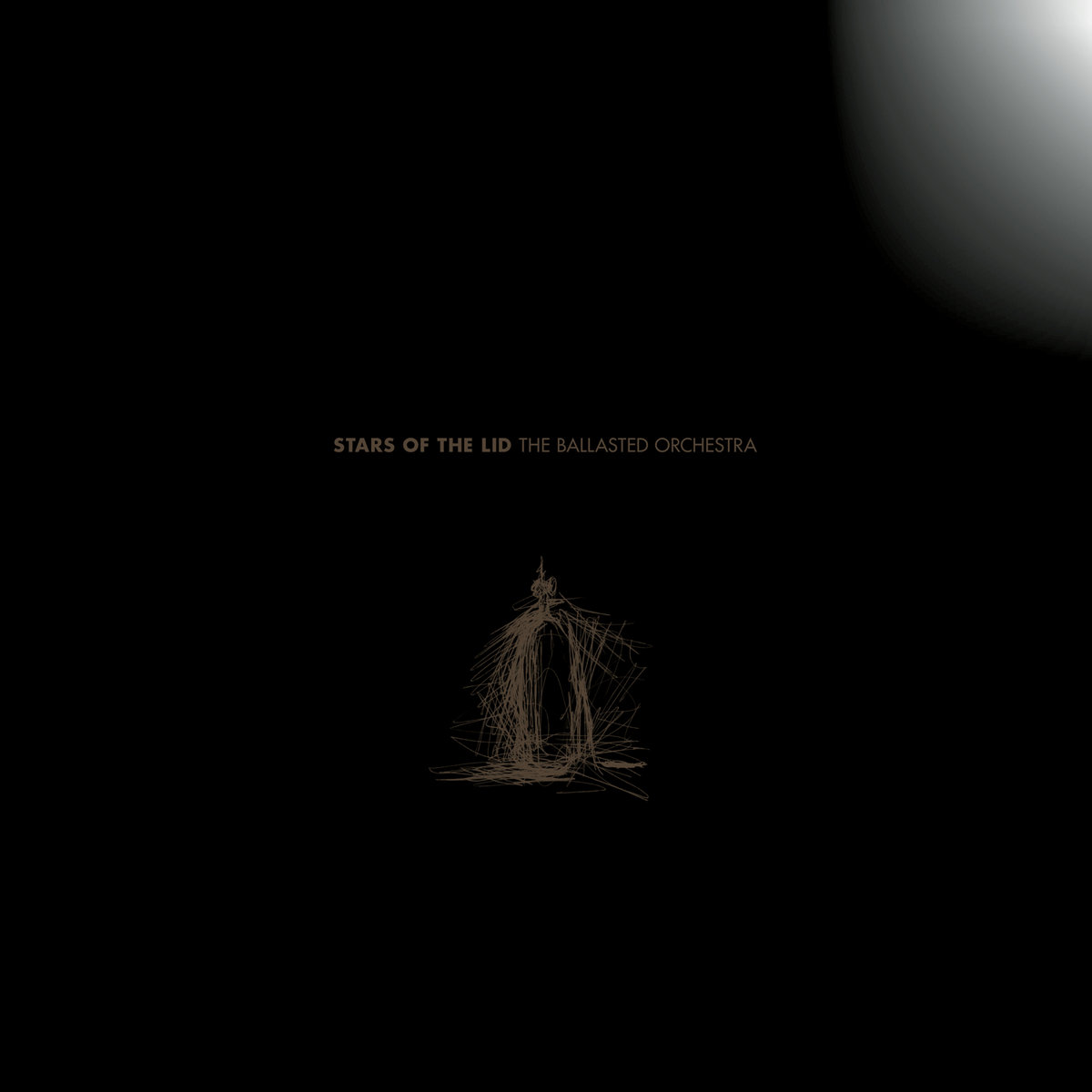
Stars of the Lid – The Ballasted Orchestra
[Kranky]
The Austin, TX drone and ambient duo Stars of the Lid, consisting of Adam Wiltzie and Brian McBride, had been quite prolific leading into 1997. The band had already put out two well-received albums of alternately hazy, druggy, blissful, and haunting music. Their songs sometimes stretch for what feels like hours or days, inviting us in with a supple mix of treated guitars, synths, and samples. Later on, they’d add things like strings or horns, as on their staggeringly beautiful (and, up to now, final) album, 2006’s And Their Refinement of the Decline.
But their third album, The Ballasted Orchestra, is often hailed as a moment where they broke through a bit, really showing us what they can do. Perhaps more narcotic than ever, the album unfurls like one slow, long fever dream. In classic Stars of the Lid fashion, Wiltzie and McBride have some fun with their titles, like “Sun Drugs” or “Fucked Up (3:57 AM)”, the latter of which is especially harrowing as it leads through passages both blissful and nightmarish. They even give us a two-part tribute to Twin Peaks, which is a mammoth and yawning piece of total drone hypnosis.
The whole thing ends on the surprisingly lovely “The Artificial Pine Arch Song”, which, next to the rest of the album, sounds downright calm and pretty. It’s a dreamy end to an at-time unsettling drone album. Drone can be a lot of things — scary, meditative, gorgeous, textural — and Stars of the Lid are so adept and hitting almost all of its bases, and though their future albums would rarely get as dark as some of the passages here, The Ballasted Orchestra withstands the test of time as a means to another zone, and a shining example of what the duo did so well.
~Jeremy Fisette
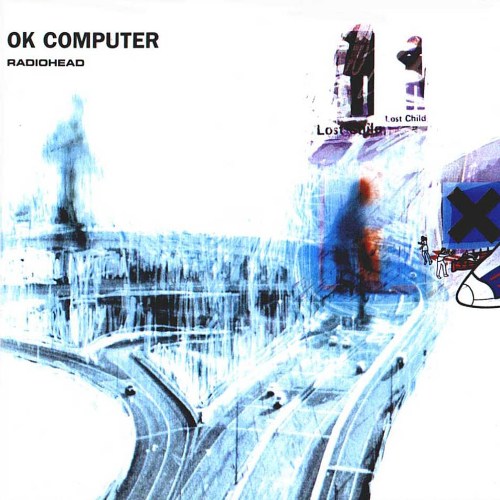
Radiohead – OK Computer
[Capitol/Parlophone]
In the words of another prominent 90s British band Blur: “End of the century, oh, it’s nothing special.” While OK Computer is certainly relaying a similar message in form of a full album, Radiohead have at the same time released perhaps the most proper send off to 20th century music with their epochal third LP.
Radiohead are no strangers to politically-charged lyrics as is quite evident on this album, however, OK Compute’ frees up more space for other themes that Thom Yorke explores in his lyrics, such as alienation or the rising detachment of people with the rise of technology, all of which boils down to songs, such as “Climbing Up the Walls” and “No Surprises” which take these topics to a growing sense of madness of one who is experiencing them as well as hinting at suicidal thoughts. What this concoction achieves is quite a full portrayal of human life at the turn of the millennium. Departing from its predecessors, OK Computer dives deeper into transcendence and themes associated with warped perceptions of reality, such as one we see on “Airbag” and “Lucky”. With such themes, it is no surprise (overused pun intended), Yorke explores the nature of reality, even the reality within our own selves and how trustworthy it is, which is best seen on “Let Down”. Naturally, the lads are no strangers to taking it easy, which is where we, paradoxically, get “Karma Police”, which was dubbed as “comedic” by the band themselves. Paradoxical is good description of what was to come later, isn’t it?
Instrumentally, on OK Computer, Radiohead are in a way assuming the role of the person with the torch about to set the 20th century music pyre on fire; at least indie and alternative music. While, this sounds quite a bit presumptuous, it is not to be taken literally. Radiohead are not giving the music of the previous century a fatal diagnosis, rather they have compiled elements of many different genres in a most consistent form (adding the rising in popularity electronic sound) to then, together with the turn of the century, release Kid A, which is an almost entirely electronic album. Not to say that Radiohead never returned to their guitar-based roots, however, none of their more rock-sounding tracks on releases following Kid A resemble much their sound on OK Computer. Song structures, arrangements, and guitar tones on this 1997 LP are distinctly 90s-sounding, however, they sound like the band is ready to bid these aspects farewell; at an airport gate, waiting to board the flight to something new.
All in all a sense of apathy seams OK Computer. Each time a listener, belonging to a certain political ideology, hears words of encouragement for their opinion, Yorke sweeps the rug from underneath their feet creating a near-impenetrable hopelessness. However, this, in a way, is what music is. It may put the listener in a state of apathy or even nihilism, but the sheer existence of a piece that is so hard-hitting proves that all hope is not lost, otherwise it all may as well have been put into a hollow political slogan, instead of one of the most influential albums in popular music history.
~Aleksandr Smirnov
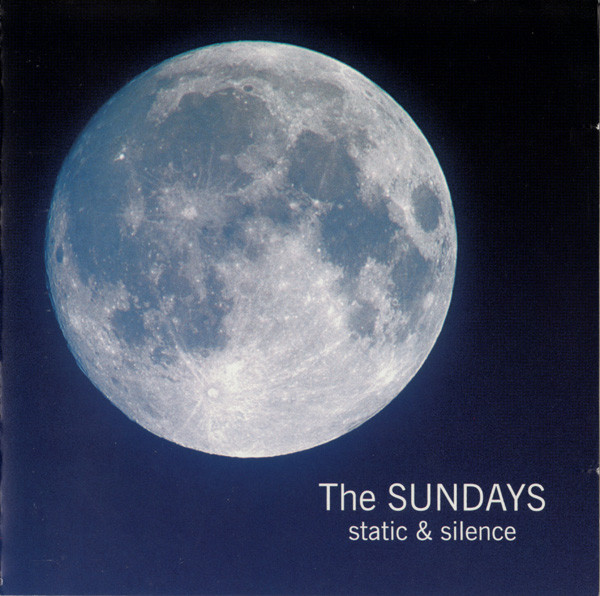
The Sundays – Static & Silence
[Geffen/Parlophone]
After the heady rush of the early days of their career, The Sundays became a band that did things at their own pace and on their own terms. A hyperbolic NME review of the band’s first ever gig was something of an albatross around their neck in terms of audience expectation for a while, but their first two albums justified the hype with sweet, jangling indie guitar anthems. Their third and final album, released an achingly long five years after their second, is a masterpiece in shimmering melancholy and dreamy pop lushness.
Harriet Wheeler’s lilting vocals seem more filled with conviction than before, yet still with an underlying vulnerability that feels personal and entirely relatable for those with the same kind of heart as hers. Her vocal performances on “When I’m Thinking About You” and “Homeward” are simply perfection. David Gavurin’s knack of writing a guitar melody that’s both immediate and understated is something that often gets overlooked but it’s the underpinning quality that makes the band such a treasure. “Folk Song” showcases a Nick Drake influence that also highlights the maturity of the band’s songwriting at this point, while “Summertime” is still the perfect soundtrack of positivity for people who don’t pay attention to a song’s lyrics.
Since Madder Rose got back together to record the exquisite To Be Beautiful in 2019, The Sundays are now my dream reformation. It won’t happen though, will it??
~Todd Dedman
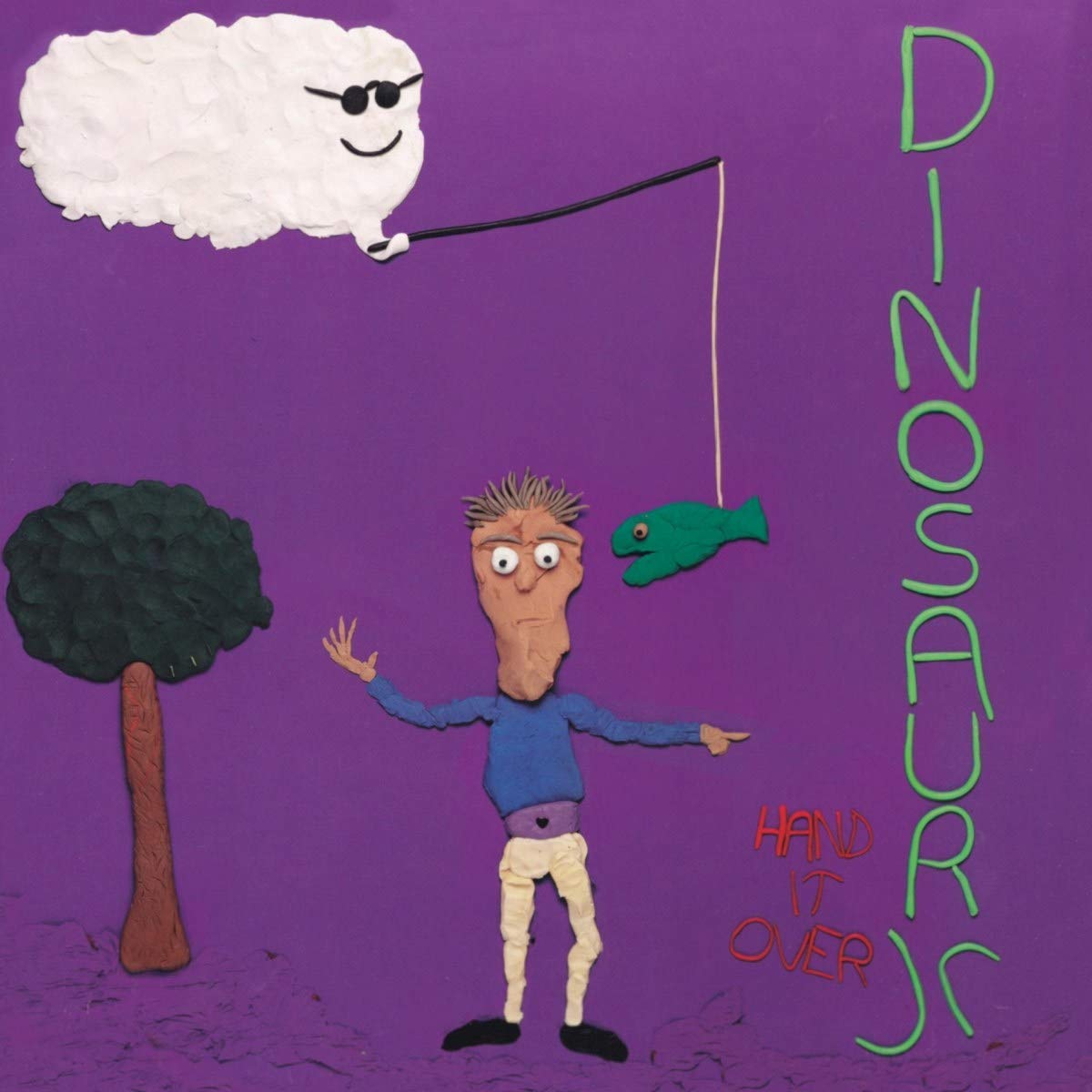
Dinosaur Jr – Hand It Over
[Reprise]
I can remember very vividly when I first heard the monumental roar of “Alone”, the sixth track and centerpiece of Dinosaur Jr.’s Hand It Over. My brother and I were driving to high school, and he casually popped the CD into player. I didn’t know what I was getting into. Immediately, those slow sludgy drums kicked in, and those spiky guitar splinters came charging out of the speakers. I had never really heard anything this heavy before. It was something of a revelation. Music could shake the air you breathe and reduce mountains to small hills.
Something of a disappointment critically and commercially upon its release, the album has gained traction as something of a forgotten classic in the years since the band first conjured those musical spirits. Other tracks like “Never Bought It” and “Sure Not Over You” found the band expanding their melodic palette while still maintaining the ability to absolutely devastate the surrounding landscape – just listen to the thunderous opener “I Don’t Think” or the electrifying “Can’t We Move This” for further proof of their cavernous guitar aesthetic. Hand It Over never fails to impress in both its commitment to volume and its desire to break free from the band’s own established traditions.
~Joshua Pickard
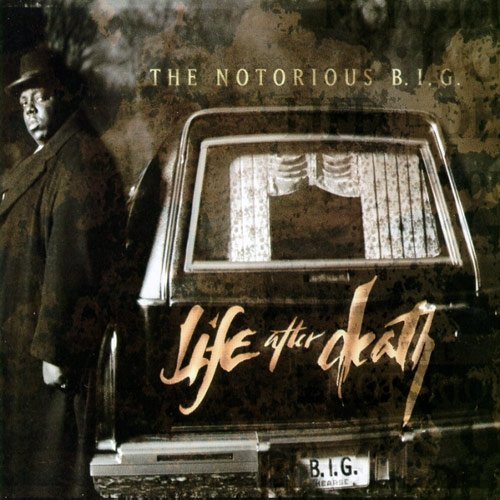
The Notorious B.I.G. – Life After Death
[Bad Boy/Arista]
“Notorious Thugs” alone should make this 24 track album worth owning (it’s the definition of a classic rap album cut), but just a glance at the mammoth tracklist of Life After Death recalls so many lasting and even disparate associations: Julia Stiles dancing on the table to “Hypnotize” in 10 Things I Hate About You, the shiny suits and golf course of the “Mo Money Mo Problems” video I watched as a child, Pusha T’s frosty “What’s Beef” rework “Exodus 23:1”, DJ Premier and RZA’s Verzuz battle (where both reminisced fondly on working with Biggie for Life After Death), etc. And that’s to say nothing of the music.
Where Ready to Die was and still is a potent album-lover’s album, Life After Death is perhaps even more enjoyable in our streaming era than it was in ’97. Mirroring (it must be said) 2Pac’s ability to successfully tackle all sides of the hardcore- and pop-rap landscape on ’96’s All Eyez On Me, Life After Death finds B.I.G. with too many good songs to fit on one disc, and just a few shy of a top-to-bottom perfect collection. Whether you land on the noir mastery of “Last Day” (peak LOX!) or the slick sexcapade that is “I Got a Story to Tell”, listening to the album on shuffle today reveals just how talented Christopher Wallace was, and just how tragic a loss the rap game suffered without him. Plus it has one of the most relatable rap lines of all time: “[I’d] rather be in Caribbean sands with Rachel”. So go on and crank it up, it’s Frank White!
~Ethan Reis
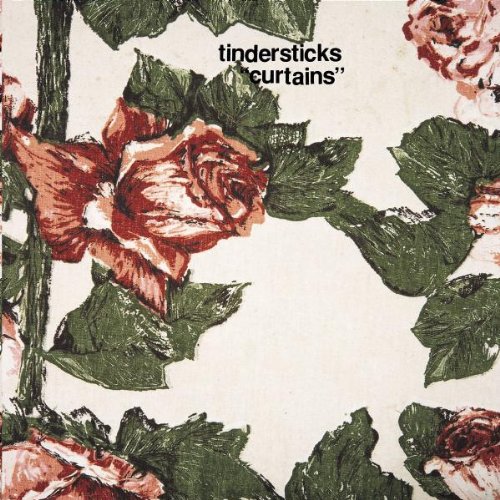
Tindersticks – Curtains
[This Way Up]
Tindersticks know that there is a certain romance and beauty in being broken. Their late night, languid tales of isolation are delivered in Stuart Staples’ weary barfly manner, while lush orchestration flows away underneath to further highlight the sumptuous nature of loss and loneliness. Bereavement, unrequited love, the aching ennui of fame – these are the topics at play on Curtains which is the most autobiographical and alarmingly honest record in Tindersticks’ recorded output.
“Ballad of Tindersticks” is a raw, spoken word account of the band being in America. The vacuity of fame and alcohol are front and centre, as Staples asks “When do you lose the ability to step back / And get a sense of your own ridiculousness?” while he opines about missing the stability and the mundanity of fatherhood. It’s a track that highlights the challenges that the band, and Staples in particular, were feeling at this point in their career (I could tell a story now about overhearing the stories of the partners of the band at Glastonbury but maybe that’s for another day). “Desperate Man” and “Bathtime” continue the desolate nature of the album’s themes, while there are moments of instrumental gorgeousness on “Dick’s Slow Song” and “Don’t Look Down” that highlight the idea of the dour bohemian that is Tindersticks’ signature sound.
~Todd Dedman
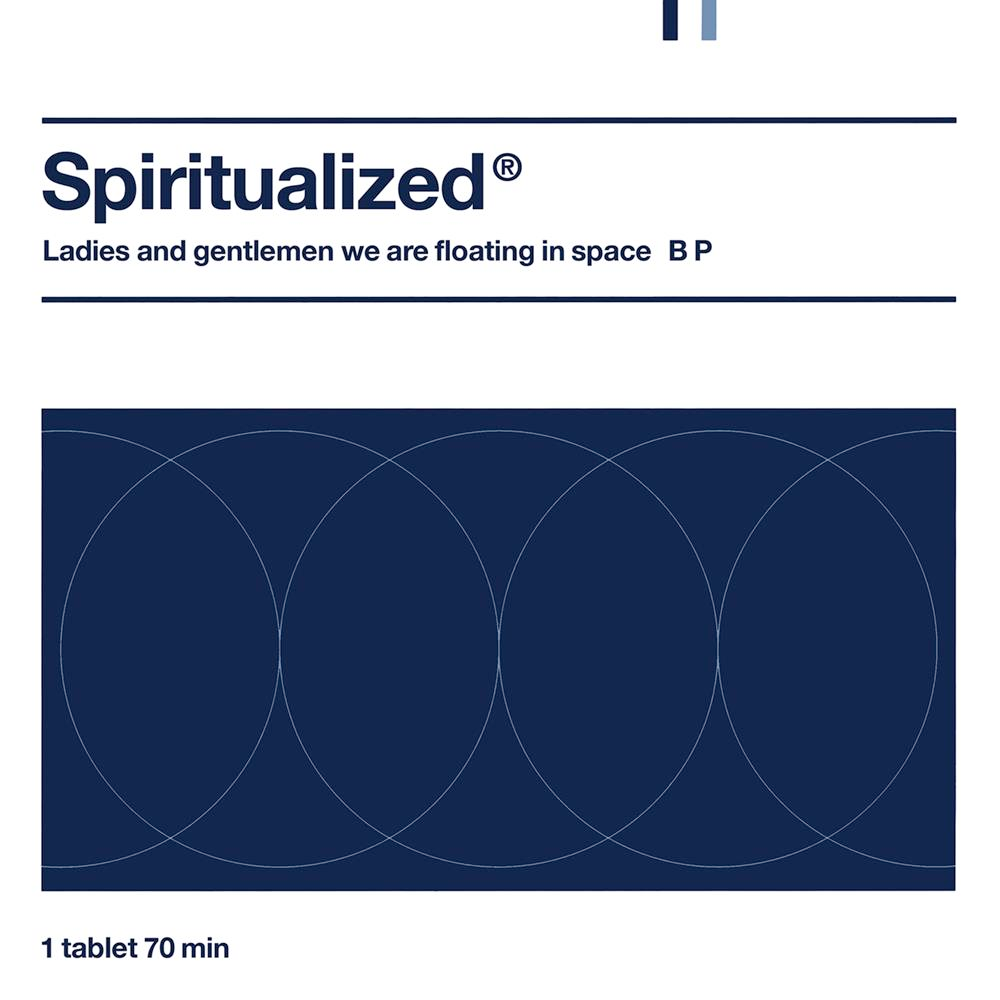
Spiritualized – Ladies and Gentlemen We Are Floating in Space
[Dedicated]
There are two sides to the coin of Spiritualized, one side marked by unvarnished garage rock with a bit of soul, and the other, drug-addled space rock that’ll leave you feeling as if your world is a mere speck against the infinite universe. Twenty-five years later, Jason Pierce’s 1997 record, Ladies And Gentleman We Are Floating In Space, is as synonymous with the latter category, just as the stars are with the black space they fill. A masterpiece that rendered Pierce’s aching battles with substance abuse and brokenheartedness, amorphous and universally resonant, Ladies And Gentleman… is profoundly honest, personal, and somehow tangible enough for listeners, through all of its sonic enormity, to latch onto.
Headlined by a lovely title track that ebbs and flows with gravity-less sway, Spiritualized’s third record saw the band achieve its celestial zenith, where typically non-sensical labels like gospel-gaze or space choir made perfect sense. Granted, anything and everything feels practical, perfect, and possible when experiencing a record that rests so peacefully within its own breathtaking magnitude.
Later Spiritualized projects, like Songs In A&E and even this year’s Everything Was Beautiful, aimed to recapture the ethereal magnificence of Ladies and Gentleman…, but wound up merely harkening to the dramatic walls of sound their 1997 album constructed so high and depth of emotion that it entrenched so deep. Though powerful in their respective ways, these records, among others, exist as faint reminders that Spiritualized may never achieve the grandeur and emotion that Ladies And Gentleman… boasted with sincerity. Much of this is due to the tragic circumstances Pierce was dealing with at the time, and for this reason, maybe it’s a good thing that Spiritualized may never be able to create something that approaches their undoubted masterpiece.
~Kyle Kohner
Biosphere – Substrata
[All Saints]
Aren’t they beautiful, the clouds? Why learn in a classroom when we can gaze out the window, and lose ourselves in their configurations and odd formations. A world above our world, landscapes made of nothing. What would clouds taste like, what would it feel like to hold them? As we watch, they alter, fade away, are gone. On other days, yet, they fully conquer the sky, a monochromatic grey haze that leaves no light to come in.
Did I lose myself? I’m sorry – this music here is meant for dreaming. Substrata could be the most achieved Ambient record in a decade rich in electronic masterpieces. A gorgeous mixture of quiet guitars, field recordings and damp synthesizers, it roots itself in naturalist beauty, in forests and trees, clouds and mountains. But there’s something below the superficial layer of aesthetics – just as its title suggests. Samples of key moments from Twin Peaks and Stalker break the façade; both works that combine beautiful landscapes with an uncanny atmosphere to insinuate there is something unseen, barely felt within those trees.
Norwegian composer Geir Jenssen is clever for never elaborating his intentions of this quiet suspense, which builds until its climax in the kosmische “Sphere of no form”. Nonetheless, the glacial structure of electric framework melts at various points. On the wistful “Times when I know You’ll be sad”, he repeats a mantra of voice and guitar, over and over, until it seems to become a spell and drifts into the exaggerated sounds of frogs. The pseudo-Asian “Chukhung” and drifting “Kobresia” are also highlights, inducing a sense of witnessing an ancient, derelict megastructure hidden within dense vegetation. Maybe this is the key of reading this work: understanding its roots in Norwegian landscapes and the direct relation between the experience of growing up with the icy terrain of Scandinavian tundra and this mysterious music. Maybe there’s something there besides the trees, something we can only glimpse. Maybe it’s just the fog. But what else are we but clouds?
~John Wohlmacher
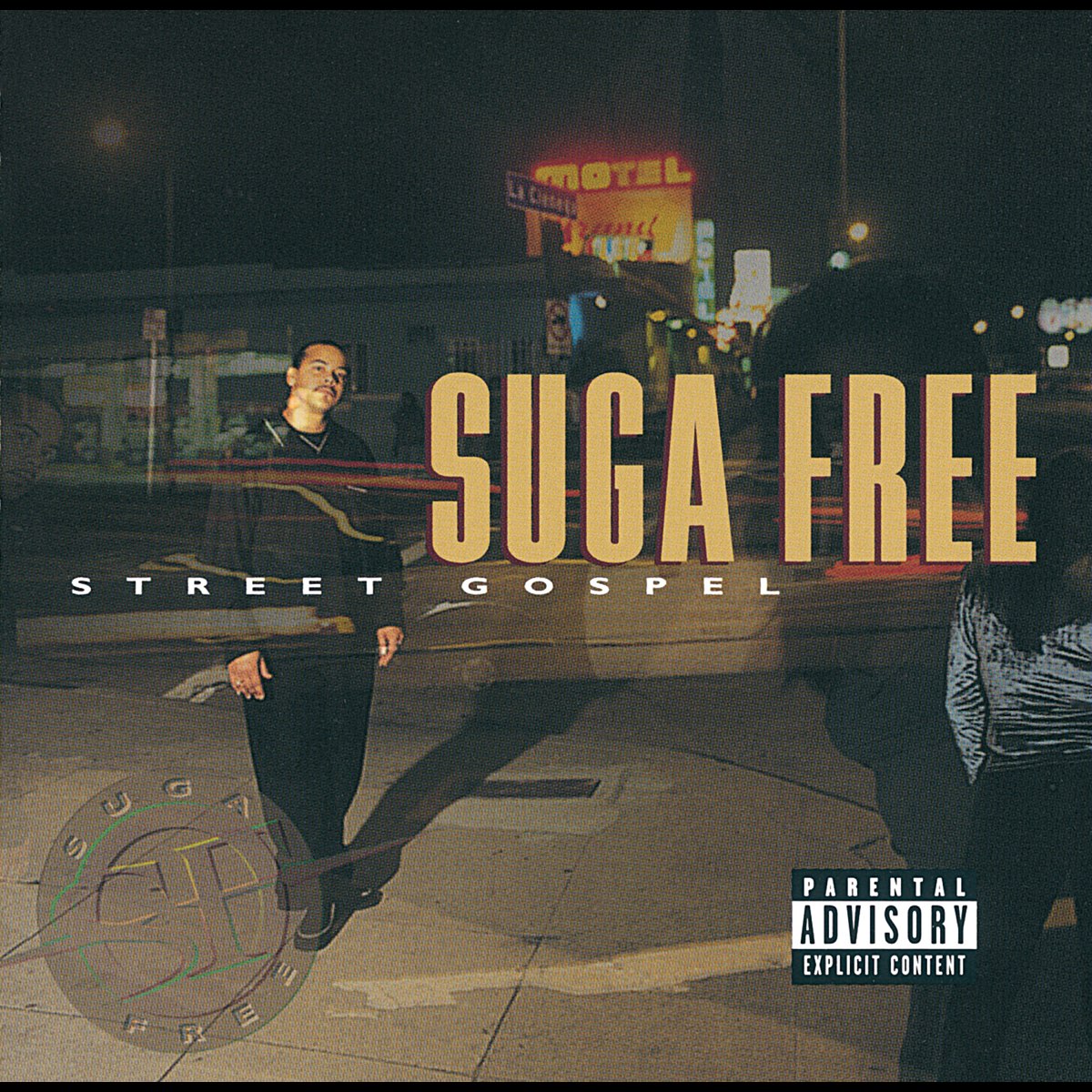
Suga Free – Street Gospel
[Polygram]
If Doggystyle made the West Coast appeal universal, Street Gospel is its brutal cousin. It hops along with a similar bounce, but has no patience for anything less than the harsh world it operates within. No album has better captured the lifestyle of a pimp, and forget the 50 Cent hit, we’re talking the real deal. From its ominous, blunt intro, the album leads into “Why U Bullshittin?”, with Suga Free laying out just how supreme his game is. Is it pretty? Far from it, but it lacks the borderline comical over-the-top nature of AMG’s Bitch Betta Have My Money, instead opting for sheer cruel honesty (“love ain’t nothin’ but two people feelin’ sorry for each other”, he snarls on “I’d Rather Give You My Bitch”) at every turn. Alright, weed anthem “Doe Doe and a Skunk” offers a bit of a respite, but generally speaking, this is one that could only be a product of its time. It also stands among the very best of DJ Quik’s production work, and how much does that say? If you know, you know. Even in a scene as crowded as hip hop, there’s never quite been another artist like Suga Free, and Street Gospel stands as his magnum opus.
~Chase McMullen
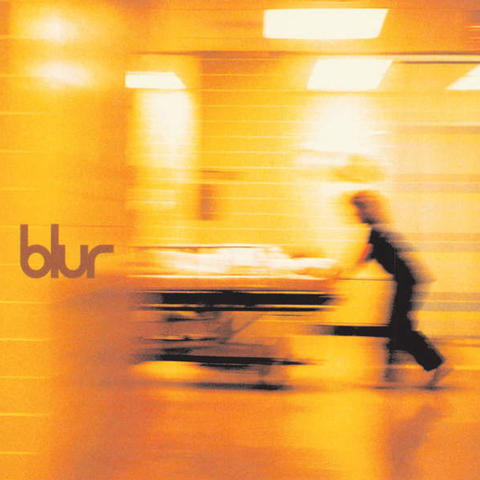
Blur – Blur
[Food]
When you think that Britpop initially came about as a direct response to the grunge boom of the early 1990s, Blur’s self-titled fifth album does ring like an anomaly. Yet it’s safe to say that it fully embodied a pervasive sentiment that, by 1997, and as John Harris would later write, the party was just about over. As Oasis got ready to deliver a cocaine-fueled mess later in the year and The Verve prepared the release of their third LP which just about tapped into the end of the whole shebang, Blur followed Graham Coxon’s hint to go indie and expand beyond the previous years’ predictable music horizons. Heroin, of course, also played a fair part in the equation—and Damon Albarn made no effort to conceal it. As he sang “he’s on, he’s on, he’s on it” on the languidly intoxicated hymn “Beetlebum,” an entire scene succumbed to delusions of grandeur and artificial paradises which would eventually dictate its inevitable downfall. But the most enduring aspect of Blur is probably its ability to serve as a bridge in the band’s career, marking the abandonment of what had become little more than self-referential hype and propelling them into more diverse and experimental territories.
~Ana Leorne
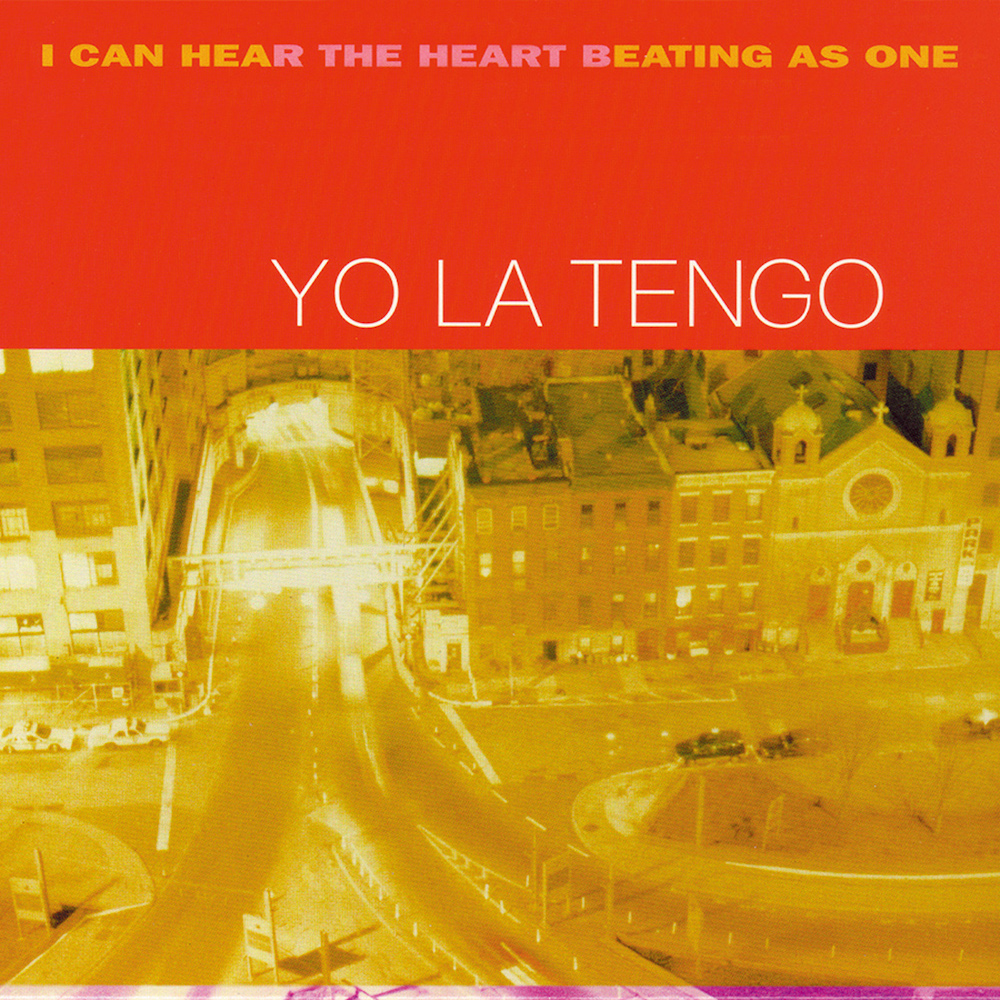
Yo La Tengo – I Can Hear the Heart Beating as One
[Matador]
I Can Hear The Heart Beating As One, the eighth album in the storied catalogue of New Jersey trio Yo La Tengo, is undeniably their most renowned. How many bands hit their popular and creative peak 13 years and eight albums deep into their career? Unlike most classic bands before or since who usually experience their creative purple patch early on and then experience diminishing returns thereafter, Yo La Tengo audibly, graciously matured over their first decade and a half (and have continued to do so in the two and a half decades since).
The willingness and ability comes from the tight-knittedness of the tripod, with the husband-wife duo of Ira Kaplan and Georgina Hubley possessing a metaphysical and spiritual bond that James McNew has also managed to tune into (at least the musical aspect of it). This warmth has made ICHTHBAO into a timeless joy, one that has become woven into the fabric of American alternative and art rock. Learning about it, seeking it out, and connecting with it has become a right of passage for all curious music lovers in the last 25 years, and it will surely remain one for generations to come.
Rare for a ‘statement’ art rock album, it doesn’t demand your attention – it’s practically easygoing. You can throw it on in the background while cooking, playing board games, snoozing at the beach – it can adapt to all moods. It functions almost like a mixtape with something for everyone, from a zipping Beach Boys cover to a 10-minute motorik groove – with plenty of ingenuity in between. However, it’s best experienced with your mind tuned in, as Kaplan’s caressing guitar tones and Hubley and McNew’s careful rhythm section reward close listening, their combination reaching out and gently taking your consciousness in their hands, where you’ll delicately rest, entirely content, for 68 minutes.
~Rob Hakimian
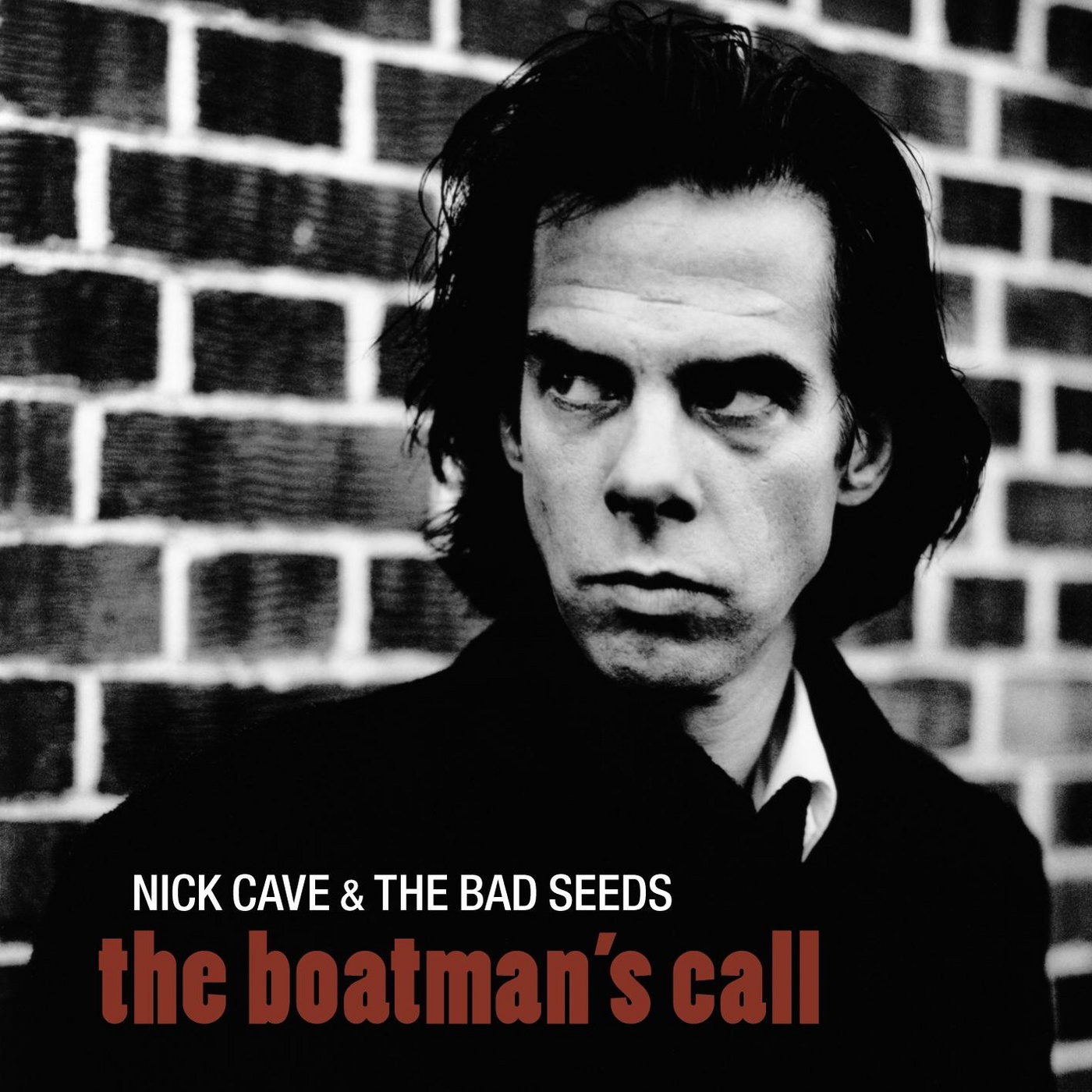
Nick Cave and the Bad Seeds – The Boatman’s Call
[Mute/Reprise]
Out of all of Nick Cave’s masterworks, The Boatman’s Call shines still within the darkest room: a candle within a raging storm. Cave had always been a lurid writer and performer, his records covered in the smell of death and vanilla, laced with Heroin and Piss. Here, he sounds clean shaved, washed, hair combed back, as the electronic guitars make way for solo piano, quiet drums, occasionally an organ or harmonica. It’s Cave’s most nuanced record, where no element overpowers his charisma and the structure of the whole comes together like a magnificent castle.
At this point of his career, Cave had risen to the stardom of a Tom Waits – mostly thanks to the mega-hit “Where the Wild Roses Grow”. Abandoning the grim roleplay of Murder Ballads as well as any ambitions to spawn another radio hit, the Australian turned his gaze towards stark romanticism. Many of the songs here are attributed to address PJ Harvey, which Cave briefly dated. Those songs almost feel self-deprecating – such as the repetitive but gorgeous “Black Hair” and the theatrical but tender “Green Eyes” (Cave deeming himself a “useless old fucker with his twinkling cunt” is golden). Other songs are painful in their personal revelations. The monolithic “Where do we go now but nowhere?” stands out here, as Cave finds himself drifting through memories and dreams, ruminating on his struggles with drug addiction and the divorce of wife Viviane Carneiro. It’s one of the greatest achievements in lyrical writing, filled with tension and heartbreak: “You come for me now with a cake that you’ve made / Ravaged avenger with a clip in your hair / Full of glass and bleach and my old razorblades / Oh, where do we go now but nowhere?” “People ain’t no good” is less sombre and at times quite cathartic in its irony, but none the less powerful.
The Boatman’s Call also sees Cave fully embrace his inner theologian. “Brompton Oratory” chronicles a priest’s desires and finds grace in lust and love – it’s also a hellishly sexy song! “(Are You) the One that I’ve been waiting for?” is even more grandiose in its promises of commitment and love and recites the New Testament at one point. Cave was maybe never more honest and less ironic when he sings: “Out of sorrow entire worlds have been built / Out of longing great wonders have been willed / They’re only little tears, darling, let them spill / And lay your head upon my shoulder”. These words and songs hold a power beyond the rest of Cave’s catalogue and still echo today, where some of his other records of this era feel a little dated. To understand the universal meaning within their strange glow, look no further than to Zack Snyder’s use of “There is a Kingdom” in his Justice League. Rarely did a superhero introduction feel more awe inspiring in its intimate maximalism. It fits: Cave has always been pompous and brooding, but also knowingly self-deprecating and graceful. Even if he might disagree, this record marks his finest hour.
~John Wohlmacher
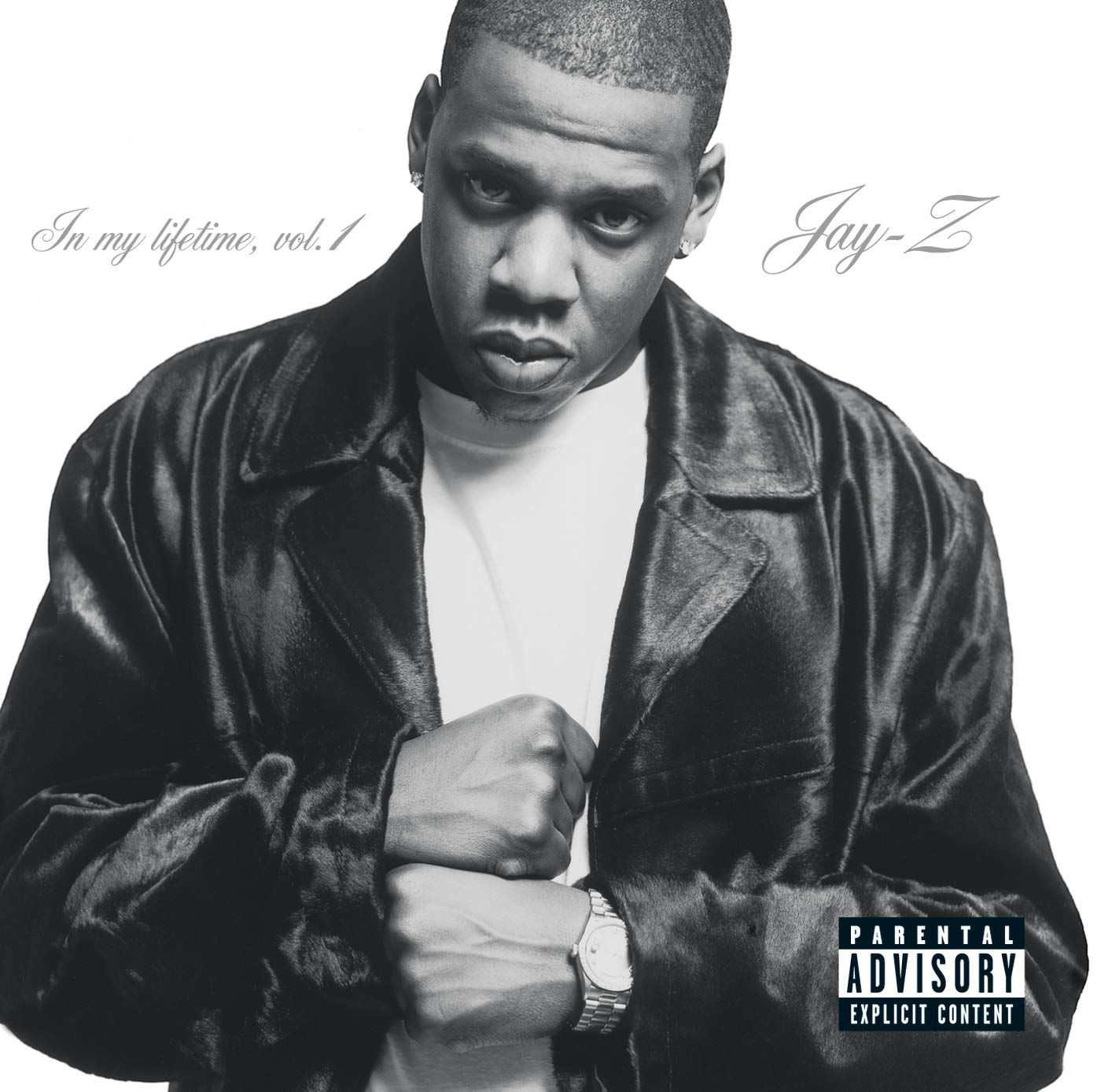
Jay-Z – In My Lifetime, Vol. 1
[Roc-A-Fella/Def Jam]
Like Vol. 2, this one gets overlooked in Jay-Z’s discography for an iffy middle section, but the quality of the classics here make up for it. Vol. 1 has his best album intro, a masterclass in emceeing delivered over the perfect beat switch that only DJ Premier could provide. “Where I’m From” finds Jigga coasting on a hard-as-concrete beat with pure ice in the veins. “Imaginary Players” is legendary enough to have earned a nod on To Pimp a Butterfly. And “Always Be My Sunshine”, with its kaleidoscopic carnival video, is an underrated hit in Jay’s catalog.
About those other songs, then. “The City is Mine” is pure cheese, but man, try riding past a city skyline at night listening to this one – it makes you feel like Giorgio Moroder with those cool glasses. Feeling like you’re in a shiny suit might help you appreciate tracks like this and “Face Off” (what, you never heard of Sauce Money?). Although dated, they can at least provide a smirk once you’re done memorizing every verse of The Blueprint and Reasonable Doubt. In My Lifetime, Vol. 1 is simply an album every rap fan should hear.
~Ethan Reis
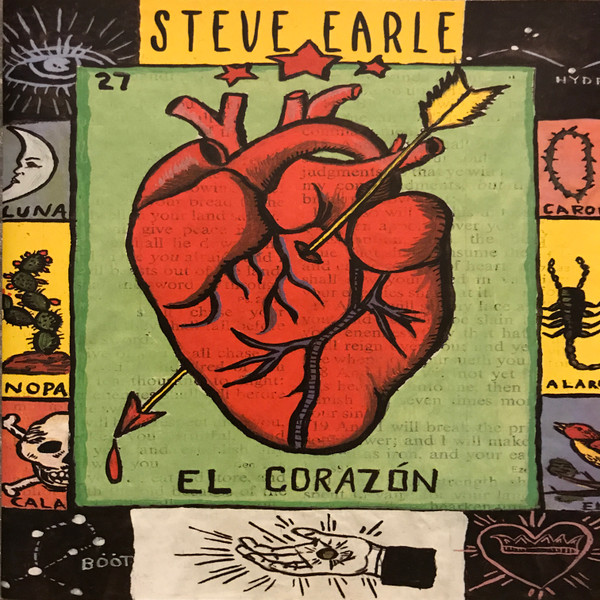
Steve Earle – El Corazon
[Warner]
The tale of Steve Earle’s rise and fall and rise is one of country music’s greatest cautionary tales, and one of its greatest comeback stories. Front twangy country outsider to hard rocking outlaw to political firebrand, Earle has made no secret of his personal beliefs and how they’ve influenced his music over the years. Alongside his debut, Guitar Town, and the 1988 classic, Copperhead Road, his incendiary country opus El Corazón is rightly considered the peak of his artistic endeavors, a collection of 12 tracks that dig into themes of racial injustice, personal discovery, redemption, and the complications of love – featuring guests spots from Emmylou Harris, the Del McCoury Band, The Fairfield Four, Siobhan Kennedy, and the Supersuckers.
“Taneytown” finds Earle and Harris exploring racism and the violence it often entails while “N.Y.C.” sets a story of a mid-life crisis against a propulsive country ramble. “Christmas in Washington” adopts a quieter tone, a more bucolic perspective, as it addresses the divisions in our country. Closer “Ft. Worth Blues” speaks to his feelings of loss at the memory of Townes Van Zandt’s death. Barnburners and introspective stories bristle with an equally insightful viewpoint; the music is drawn from a lifetime of ache, joy, and regret. This album speaks to wider socio-political issues as much as it does to the intense internal conversations which reside within Earle. And it’s almost impossible to keep from eavesdropping.
~Joshua Pickard
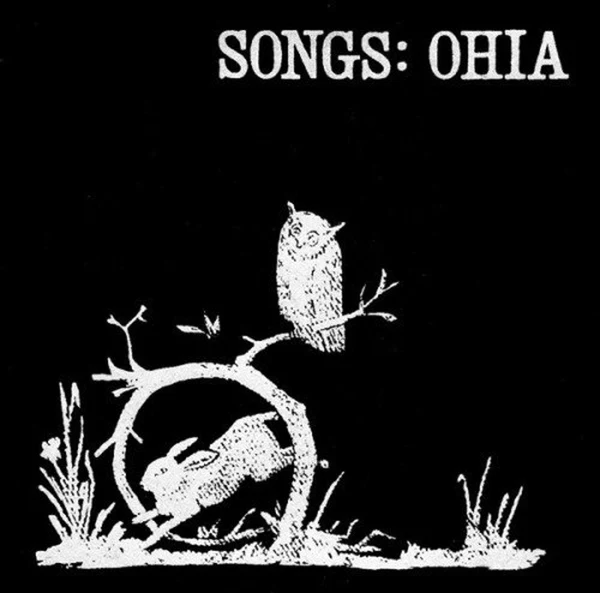
Songs: Ohia – Songs: Ohia
[Secretly Canadian]
The self-titled debut from Songs: Ohia introduced listeners to Jason Molina’s sparse and liltingly melodic songs. Opener “Cabwaylingo” is equal parts eulogy, dream-journal entry, and word-collage. Accompanied by a stiff acoustic guitar and primitivistic drum part, Molina’s vocal effuses a seductive melancholia. The concise “Blue Jay” brings to mind Frank Stanford’s oblique, gothy poems, Molina perhaps using a bird sighting as a prompt to explore the notion of possession and lingering karma (“It seems that the older inhabitors never got out of you”).
On “Cotton Hill,” Molina’s voice wafts above a brushy drum part, acoustic strum, and buzzy mix of accordion and horn sounds. “Blue Stone” features Molina’s gift for abstract yet cerebrally engaging lyrics (“Again tonight such poverty / compels us to perfect our pride”). On closer “U.M.W. Pension,” Molina conjures a sense of profound loneliness, as if the singer-songwriter is snared in a relentless depression or maneuvering a state of semi-catatonia.
Following the release of his debut, Molina began crafting more ambitious tracks, such as the approximately 12-minute “Incantation” from 2000’s Ghost Tropic and “Farewell Transmission” and “Hold On Magnolia” from 2003’s Magnolia Electric Co. While these songs and albums ultimately eclipse Molina’s calling card, Songs: Ohia reflects the sonic minimalism and elegiac tone that remained essential to Molina’s work, even as it grew more lyrically and emotionally complex.
~John Amen
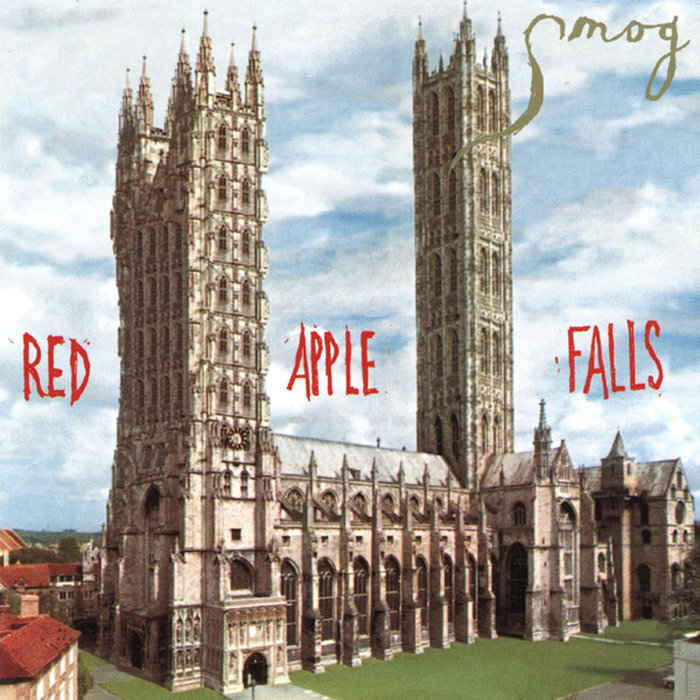
Smog – Red Apple Falls
[Drag City]
Bill Callahan stopped releasing music under his original alias Smog almost 20 years ago, with the final record for that project coming in the form of 2005’s rustic and folky A River Ain’t Too Much to Love. He has since put out almost uniformly-praised work under his given name, and rightly so: his albums are full of pensive and touching character portraits and scene descriptions, deeply poetic and yet often quite simple, all told in his lovable, unaffected baritone.
One of the finest examples of his gifts comes on his sixth album, Red Apple Falls. The album is one of his most holistic — every song here sounds completely of a piece, like different parts of the same wounded, longing organism. These are less songs than they are wells of feeling, unbridled but not obscene, Callahan acting as the lonesome and observant narrator. We get songs like “Blood Red Bird”, where he is “only an arrow passing through”, and a bird lying in a pit of dead leaves. On the deceptively light-footed “I Was a Stranger”, he sings of how being well-known is worse than being a transient who’s only passing through. On closer “Finer Days”, he’s caught between the sting of isolation and the tug of maybe enjoying such a state.
On “To Be Of Use”, one of Callahan’s finest-ever songs (which is saying something, as the man has probably about 200 released at this point), over an unbearably spare guitar and weeping lap steel, we see a man whose biggest fantasy in life is being useful to someone else. That sheer desperation for connection stands in contrast to much of what’s around it. But it’s a moment of pure, undisturbed stillness, as our narrator admits what he possibly considered not admitting: that, at the end of the day, we do need others, we do need a function. It’s heartbreaking, but such a bald truth, that we can’t turn away. Instead, we nod.
~Jeremy Fisette
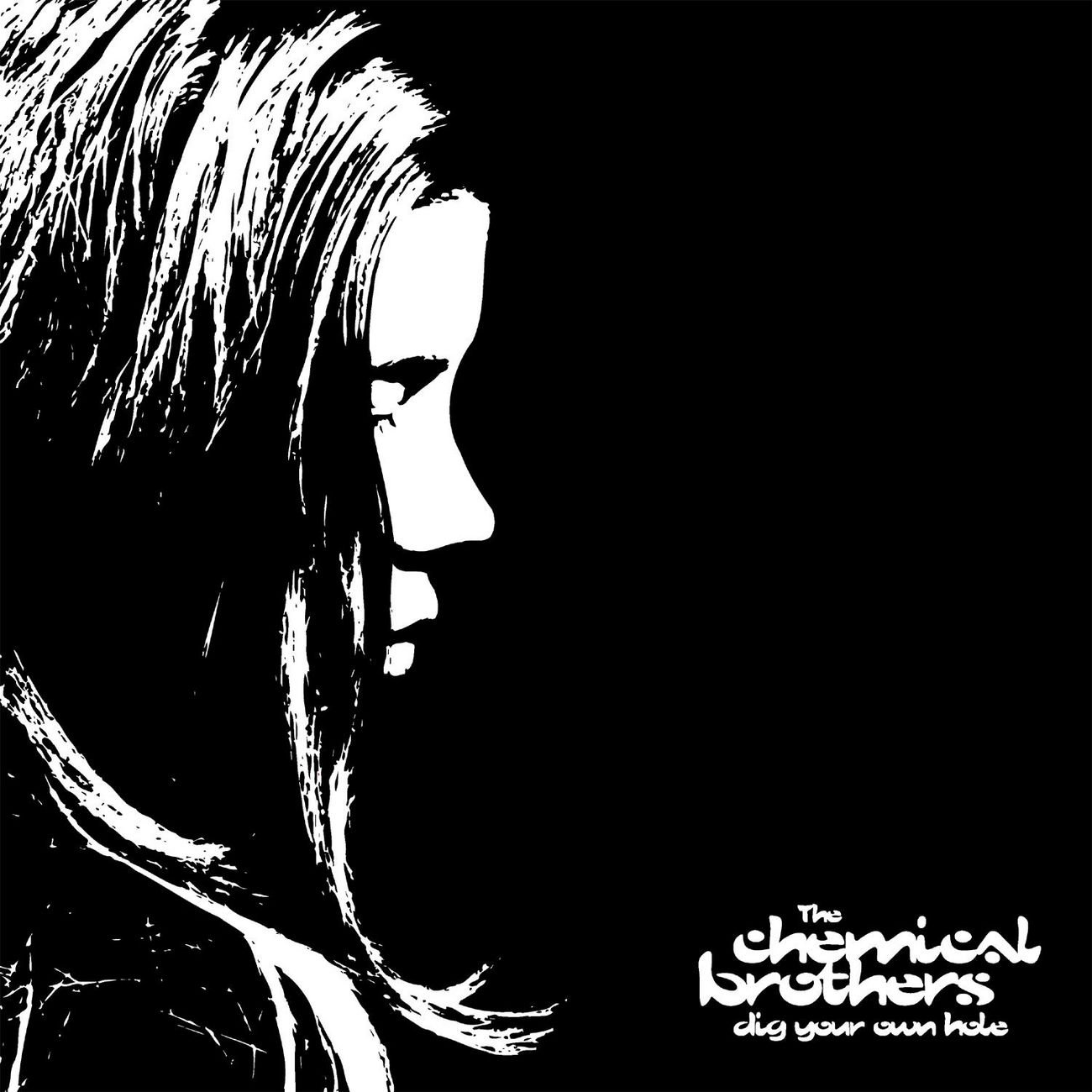
The Chemical Brothers – Dig Your Own Hole
[Freestyle Dust/Virgin/Astralworks]
The great Raves the late 80s and early 90s are over now, but British electronica has moved forth and become a beast. On one side, the intricate chaos magick of the Warp label. Adjacent to them: the mellow masterworks of Ambient House by Underworld. And across of those guys, the club kids: The Chemical Brothers!! Two weird looking Rock dudes that adapt techno with thundering breakbeats, shrieking guitars and tons of Acid synths. Dig Your Own Hole was their second album, but it hit the mainstream like a polished baseball bat to the head. “Block Rockin’ Beats” was everywhere in ’97, transgressing any existing genre boundaries. Revisiting the record, it’s easy to see why: there’s something restless about this music that’s somewhere between Ecstasy and LSD, filled to the rim with strange ideas and euphoria. The amount of incredible riffs is borderline insane, while the shivering, shuddering beats and drum fills demand every second of attention, quickly dominating ones heartbeat.
There’s a multitude of small production nuances here that can’t possibly all be pointed out. But let’s name some: the shifting, distorted voices in “Elektrobank” are wonderfully ghastly. The backwards sampled vocals intruding the stuttering noise of “Setting Sun” feel like something John Lennon could have come up with if he still walked among us. The uncanny, wonky 70s vibe of “Don’t Stop the Rock” that slowly blends into a House Beat only to drift apart again is strangely comforting, while the dreamy “Lost in the K-Hole” feels almost like a cousin of their French contemporaries of that era. The trip strikes hard and fast, and after nine minutes of pure bliss, courtesy of “The Private Psychedelic Reel”, it’s all over. The writing here might not be the tightest on a Chemical Brothers album (a good case can be made that Surrender eclipsed Dig Your Own Hole), but there’s a raw intensity here which their later albums lack. A spaced out adrenaline rush, it perfectly chronicles how exciting 90s dance music was, just on the vicinity of breaking into the absolute mainstream.
~John Wohlmacher
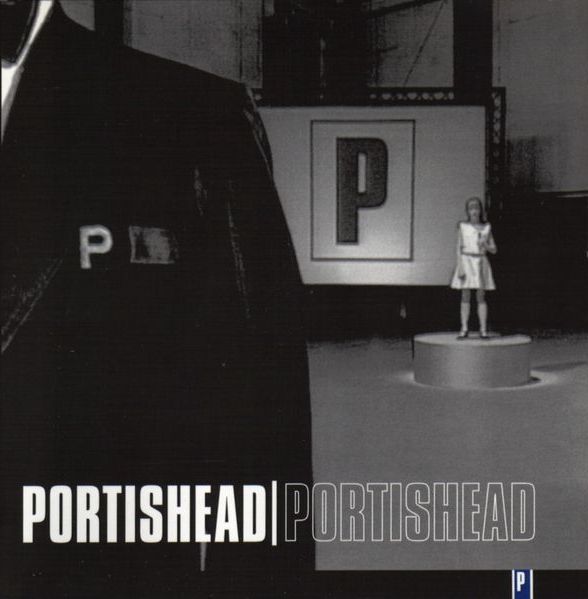
Portishead – Portishead
[Go!/London]
When a band comes seemingly out of nowhere and releases what becomes an instantly classic, seminal debut album, there’s a lot of pressure placed on the follow-up. Some debuts just become critical and musical touchstones unto themselves, almost instantly becoming legends. Portishead’s debut, 1994’s smoky trip-hop bender Dummy, is one such record. The trio – made of lyricist and vocalist Beth Gibbons, and multi-instrumentalists and producers Geoff Barrow and Adrian Utley, beamed us into a noirish landscape, full of shadows and ghoulish murmurs, warped samples, and crackling beats. It’s still one of the most lauded debuts in all of popular music.
Its successor, the self-titled Portishead from 1997, rarely — if ever — gets the same, or even similar, admiration. But that’s a shame, because the band’s second album is rich with ideas, textures, and otherworldly songcraft. Ever the transformative lynchpin of the band’s sound, Gibbons’ voice is varied and brazen: it’s cracked and alien on the sci-fi trip “Cowboys”; siren-like and yearning on “All Mine”; feathery and pained on “Over” and “Humming”. The boys keep pace by leaning even more deeply into the weird sonic avenues they first delved on the debut, taking us all over the solar system, including on the dusky grooves of “Only You”, one of the band’s very best singles. It may not have the gift of surprise that Dummy had, but Portishead has more than earned its place out of its big sister’s shadow.
~Jeremy Fisette
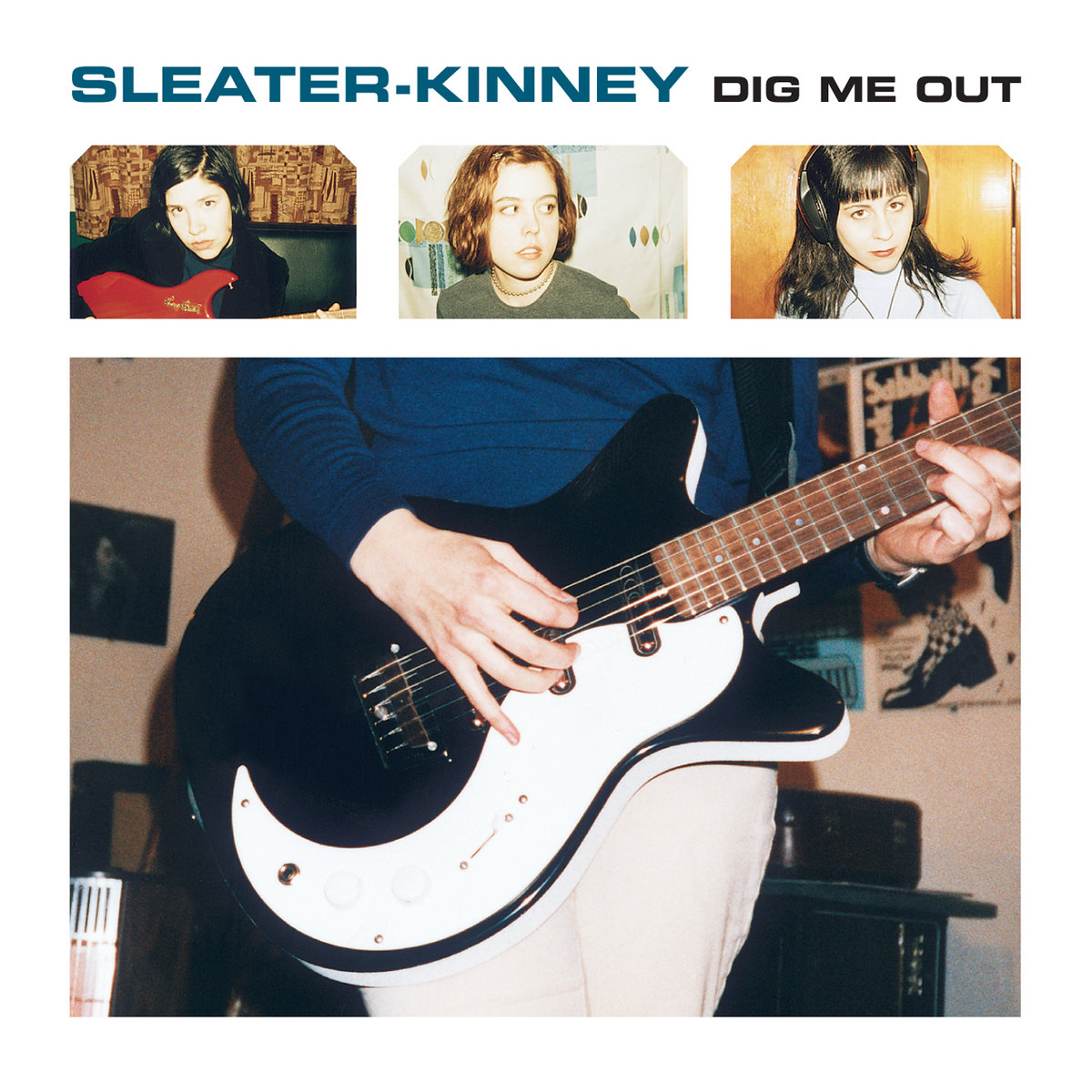
Sleater-Kinney – Dig Me Out
[Kill Rock Stars]
I hate using clichés, but to describe Sleater-Kinney’s classic Dig Me Out as “lightning in a bottle” feels not only appropriate, but preordained. The addition of Janet Weiss—to complete the trio we still think of despite her more recent departure—gave the album a rapping, relentless energy not heard in the group’s previous work. Her drumming on songs like “Dig Me Out” and “Not What You Want” rolls alongside Corin Tucker and Carrie Brownstein’s gritty riffs and yearning singing. The trio’s chemistry is impeccable.
These 13 songs are punk as hell but also dressed in harmony—“Words and Guitar” spins in their playful strums and teasing vocals while “Buy Her Candy” hangs in a hazy yet serene daydream. Tucker and Brownstein’s vocal interplay on songs like “One More Hour” and “The Drama You’ve Been Craving” are spirited, angsty, and irresistible to sing along to. (Tucker and Brownstein’s recent breakup hangs over the album, but it only contributes to the sense of liberation felt upon listening). With Dig Me Out, Sleater-Kinney created a classic that captures the spirit of a region and the indie rock genre at large.
~Carlo Thomas
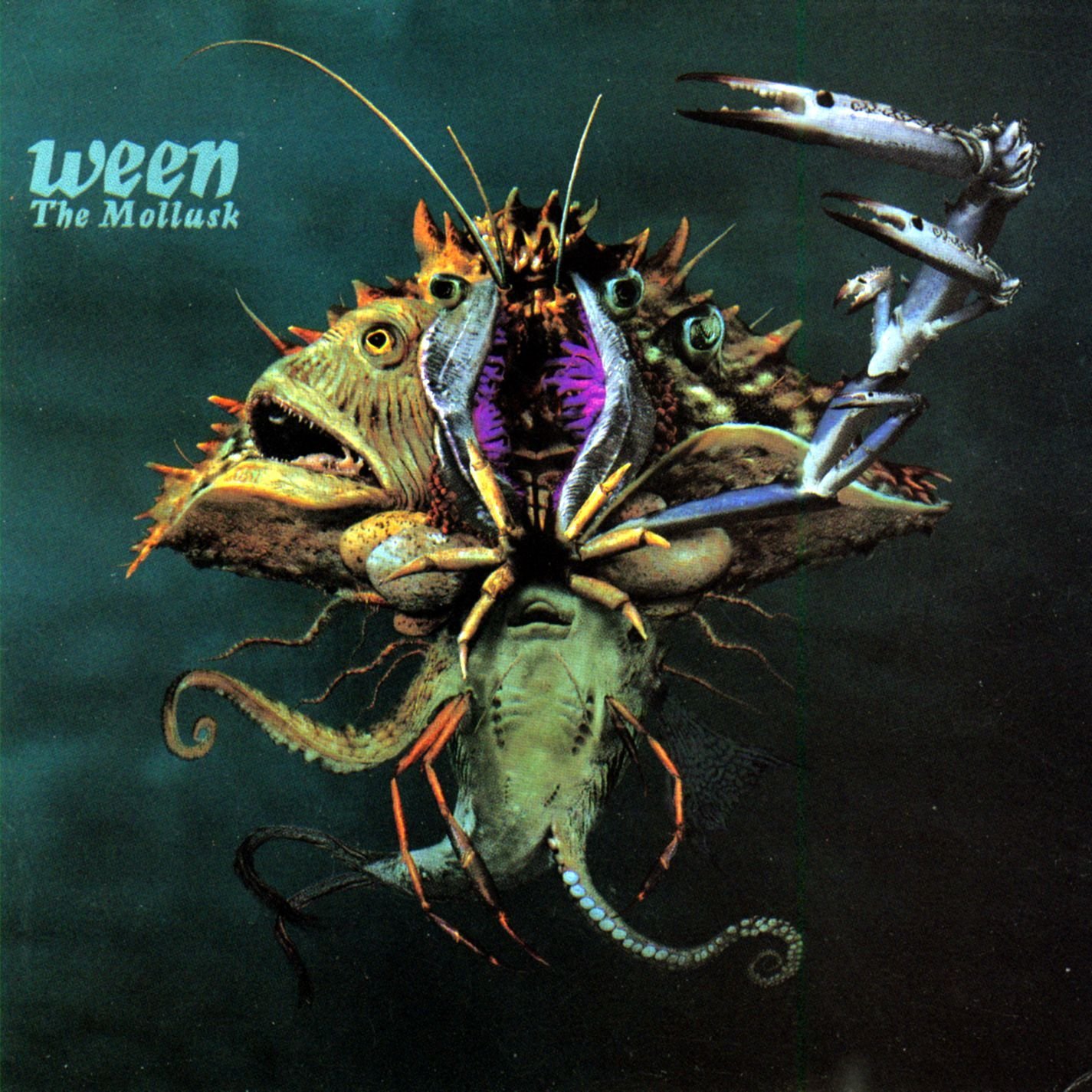
Ween – The Mollusk
[Elektra]
Throughout the years, Dene and Gene Ween have carefully cultivated a collective persona of being technically gifted wiseasses whose music offends as often as it shakes the chambers of your heart. From their earliest lo-fi recordings to their later more polished tracks, they’ve maintained a desire to comment on social and emotional absurdities and explain them in ways that make us reconsider the workings of the whole damn world. And no where was this exploration of curiosities more thought out, more attuned to that “brown” sound the band has so immaculately cultivated, than on The Mollusk, a mishmash of sea shanties, hard rock blitzkriegs, and nautical nonsense that stands as their greatest accomplishment.
Of all places, I remember first seeing the cover, with its oceanic monstrosity, peering at me from the racks of my local K-Mart. It would be many years before I dove into its depths and discovered the riches that lay within. From the opening talent show reverie “I’m Dancing in the Show Tonight” to the whimsical title track and the drunken stomp of “The Blarney Stone”, the album was awash genre deconstruction – something the band has honed to a surgical edge over the years. But songs like “It’s Gonna Be (Alright)” and “She Wanted to Leave” plumb deeper emotional depths, revealing a band whose heartstrings shake just anyone else’s. And to this day, I’m still not sure I understand it all, and maybe that’s why I keep going back it. It’s an enigma of a record that refuses to give up all its secrets, but I have so much fun trying to pry them loose.
~Joshua Pickard
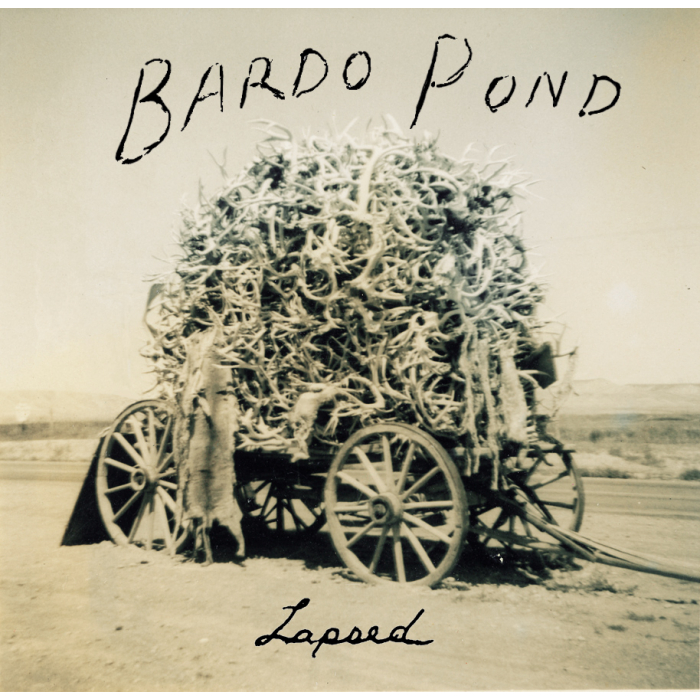
Bardo Pond – Lapsed
[Matador]
Bardo Pond’s word is a blissed out utopia. Their songs ruminate rather than rock for the sake of it, as they create explorations of space, time and melody through swirls of musical repetition that feel like mantras more than songs. The seven tracks on Lapsed veer from dense noise to sparse psychedelia. Album opener “Tommy Gun Angel” is a visceral head fuck of shamanic noise, while closer “Aldrin” is the aural definition of the word meandering.
The guitars across this magnificent beast of an album are mangled and morphed rather than merely distorted, and although there’s recognisable musical traits at play (you know, like drums and singing and guitars and all that) there is an otherworldly quality to Bardo Pond’s sound that really only My Bloody Valentine have ever achieved. That’s not to say that either band sounds like the other – they don’t – but the sounds each create are entirely theirs, and equally as layered and immersive. Lapsed is so dense as to be almost impenetrable in places. “Pick My Brain” sounds like it’s being played on vinyl that’s warped, while the stop-start nature of “Straw Dog” makes the deliberate sound entirely spontaneous.
This is music for those who want to be taken somewhere else, to be carried away on a wave of blissful noise that envelopes the listener rather than shocks them into submission.
~Todd Dedman
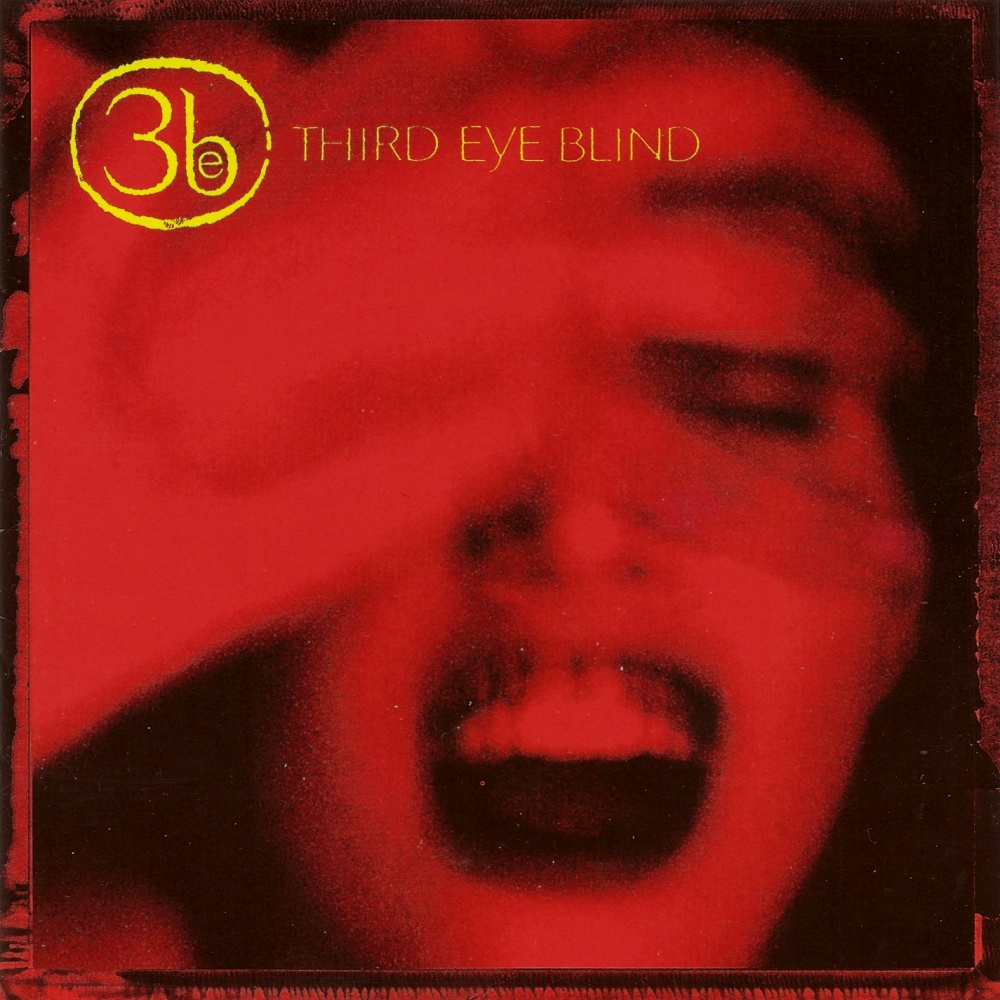
Third Eye Blind – Third Eye Blind
[Elektra]
There’s simply no denying Third Eye Blind. It doesn’t matter how cool you are, or want to appear, put on any track from their debut, and, at least if you’re of a certain age, you’re sure to be singing along. Of all the albums of its sort that came out during the 90’s and early 2000’s, none hold up the way Third Eye Blind does (aside perhaps from Counting Crows’ August & Everything After, but honestly, the two albums occupy rather different worlds). It’s all there, the youthful angst, the musical professionalism, the sheer, undeniable catchiness of it all. It doesn’t matter how old you get, even as one breaches their thirties, there’s something oddly comforting and still irresistible about shouting along to “Graduate”. Moreover, the likes of “God of Wine” foreshadow the sort of emotional complexities far more “in” indie bands would mine several years to a decade later. If you’re willing to admit it, this album is something of a blueprint, and a damn compulsively listenable one at that.
~Chase McMullen
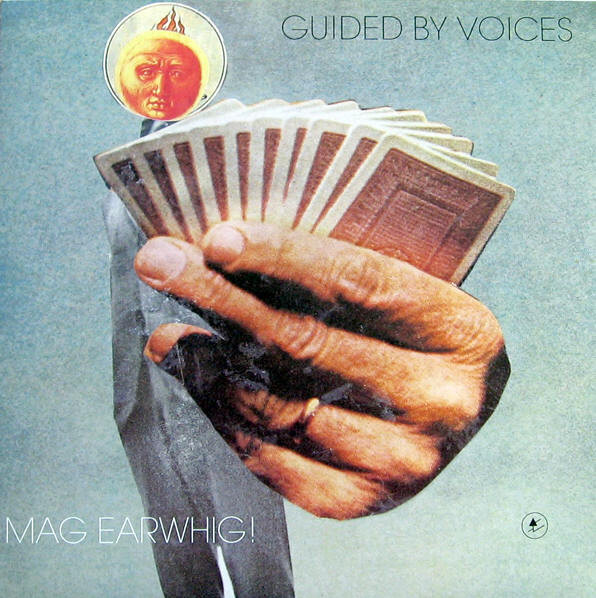
Guided By Voices – Mag Earwhig!
[Matador]
Bee Thousand and Alien Lanes are undeniable classics of lo-fi indie rock, but 1997’s Mag Earwhig! is an often-overlooked gem in Guided By Voices’ vast discography. In attempting to marry the DIY roughness of their earlier albums with an oddly endearing pop exuberance, the band discovered a way to inhabit a world of hooky relevance, fuzzy melodies, and surreal lyricism. Recording took place after the “classic” roster of the band had splintered, with Pollard recruiting Cobra Verde as his backing group, as well as bringing back guitarist Doug Gillard (who first appeared on their Tigerbomb EP). Recorded in a studio in Cleveland, the album displayed a marked increase in fidelity, though the music overall still maintained the shades of burnished rock tones for which the band had come to be known.
Home to some of their best songs (“Said If I Lost It”, “I Am a Tree”, and “Jane of the Waking Universe”), Mag Earwhig! was a sonic leap forward for the band. They were still dealing in miniature opuses here, with most songs barely breaking two minutes, but the scope was wider, the framework more muscular. The guitars still zipped around like a firefly hopped up on a dozen shots of espresso, and Pollard still ranted on about…whatever the hell he was ranting on about. But it all made sense in the context of the record – they hadn’t sacrificed any of their cred by recording in a studio. It tightened them up, made them focus on why things worked and why some things didn’t. And it’s one their most mature and complicated and downright endearing records to date.
~Joshua Pickard